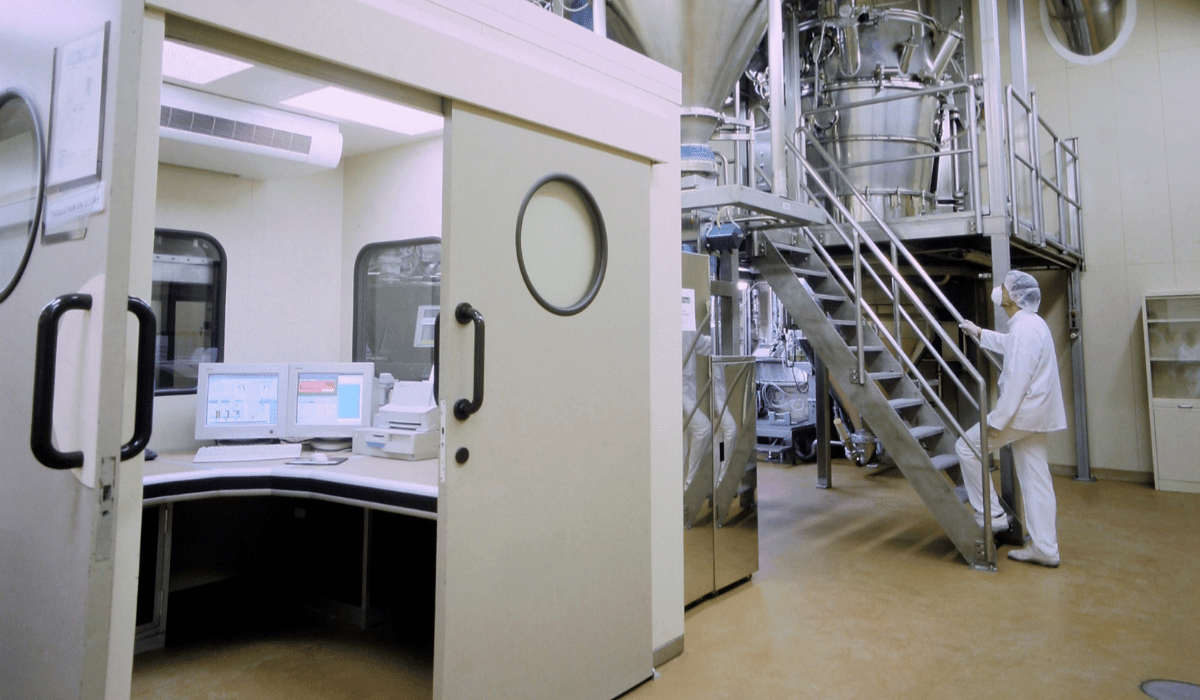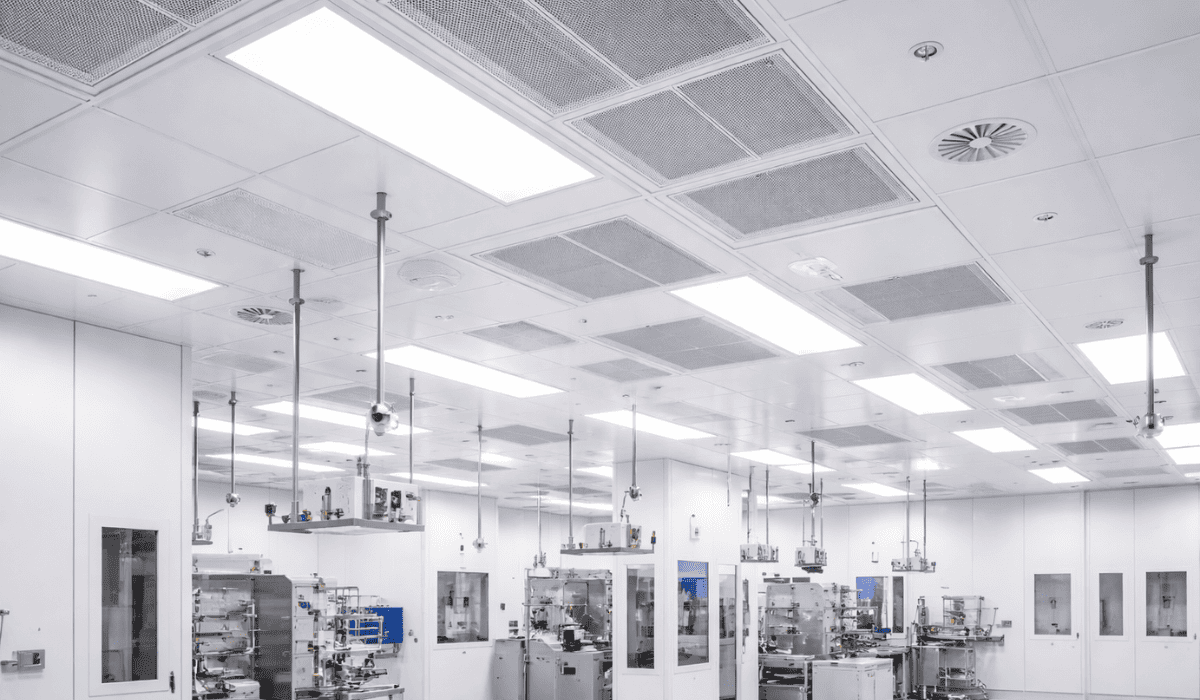
Cleanrooms are specialized environments designed to control contamination and maintain extremely low levels of particulates, such as dust, airborne microbes, and chemical vapors.
Industries such as pharmaceuticals, biotechnology, electronics, and aerospace rely heavily on cleanrooms to ensure the quality and safety of their products.
Achieving and maintaining ISO standards during cleanroom construction is critical, and this requires the expertise of trained cleanroom installation contractors.
Understanding ISO Standards in Cleanroom Construction
The International Organization for Standardization (ISO) provides guidelines for cleanroom classification, particularly ISO 14644, which outlines the permissible levels of airborne particles in a controlled environment.
Cleanrooms are classified from ISO Class 1 to ISO Class 9, with Class 1 being the cleanest. Adherence to these standards is not optional—it is mandatory for facilities producing sensitive products or conducting critical research.
ISO standards ensure that the construction materials, airflow systems, filtration mechanisms, and operational protocols meet strict criteria.
Non-compliance can lead to product contamination, regulatory issues, and financial losses.
Therefore, certified cleanroom installation services are essential for meeting these rigorous requirements.
The Role of Cleanroom Installation Contractors
Cleanroom installation contractors are specialists trained in constructing controlled environments that meet ISO cleanroom compliance.
Their expertise goes beyond traditional construction—they understand the physics of airflow, material compatibility, and contamination control, which are vital for maintaining ISO standards.
A contractor’s responsibilities include:
- Design Consultation: Contractors often collaborate with clients and design engineers to translate cleanroom requirements into actionable construction plans.
- Material Selection: Choosing construction materials that are non-shedding, resistant to corrosion, and compatible with cleaning agents is critical for ISO compliance.
- HVAC and Filtration Systems: Cleanroom contractors design and install advanced HVAC systems equipped with HEPA or ULPA filters to maintain particulate control.
- Verification and Testing: Once construction is complete, contractors perform validation tests to confirm that the environment meets ISO standards.
Planning and Pre-Construction Measures
The foundation of maintaining ISO standards begins long before the first wall panel is installed.
Cleanroom construction best practices emphasize meticulous planning and preparation.
- Risk Assessment: Contractors evaluate potential sources of contamination, including existing infrastructure, personnel traffic, and construction materials.
- Project Scheduling: Coordinating schedules minimizes cross-contamination from other construction activities.
- Subcontractor Coordination: Ensuring that all subcontractors understand cleanroom protocols prevent breaches in ISO cleanroom compliance.
At Ultrapure Technology, Inc., our team works closely with clients to address these preliminary considerations, ensuring that the cleanroom design is optimized for both functionality and compliance.
Modular vs. Traditional Construction
Cleanroom contractors may choose between modular and traditional construction approaches.
Modular cleanrooms, built from prefabricated panels, allow for faster installation and improved space optimization.
Traditional cleanroom construction, often involving brick-and-mortar methods, may offer durability but requires more time and labor-intensive processes.
Regardless of the method, maintaining ISO standards is non-negotiable.
Modular cleanrooms often make it easier to control contamination during construction, as the environment is partially assembled off-site in controlled conditions.
Traditional construction requires strict on-site monitoring, continuous cleaning, and careful sequencing of tasks to prevent particle infiltration.
Cleanroom Construction Best Practices
Certified cleanroom installation services rely on a series of best practices to maintain ISO standards throughout construction:
- Controlled Access: Limiting personnel in the construction area reduces the introduction of contaminants. Only trained staff with proper attire, such as coveralls, gloves, and shoe covers, are allowed.
- Material Handling Protocols: Materials are cleaned and stored in a controlled environment before installation. Contractors avoid materials that may outgas or shed particles.
- Sequential Installation: Construction follows a logical sequence to prevent recontamination. For instance, HVAC and filtration systems are installed and tested before sensitive surfaces are put in place.
- Regular Cleaning: Frequent cleaning during construction helps maintain low particulate levels, aligning with ISO cleanroom compliance.
- Airflow Management: Contractors monitor airflow patterns to ensure positive pressure is maintained, preventing contaminants from entering the cleanroom from adjacent areas.
- Environmental Monitoring: Real-time monitoring of temperature, humidity, and particle counts ensures the environment remains within ISO limits during construction.
Validation and Testing
Once the cleanroom is physically complete, contractors perform a series of validation procedures to confirm ISO standards compliance:
- Airborne Particle Testing: Measuring particle counts across different locations ensures the room meets its designated ISO classification.
- Airflow Visualization: Smoke or fog tests help verify that airflow patterns effectively prevent contamination.
- HEPA/ULPA Filter Testing: Filters are tested for efficiency, pressure drop, and proper installation.
- Surface Cleanliness Verification: Swab tests detect microbial contamination on walls, floors, and equipment.
This rigorous validation process ensures that the cleanroom is not only built according to plan but also fully functional under operational conditions.
Training and Documentation
ISO cleanroom compliance extends beyond construction.
Contractors often provide training to staff and facility operators on proper gowning procedures, cleaning protocols, and maintenance schedules.
Detailed documentation of construction procedures, materials used, and validation results is maintained to support audits and regulatory inspections.
Proper documentation includes:
- Construction drawings and specifications
- Material certifications and cleanroom-compatible product lists
- Validation and testing results
- Maintenance and operational guidelines
This level of documentation ensures that the cleanroom continues to meet ISO standards throughout its operational life.
Advantages of Certified Cleanroom Installation Services
Choosing certified cleanroom installation services offers several advantages:
- Assured Compliance: Contractors with certification have a proven track record of maintaining ISO standards during construction.
- Time and Cost Efficiency: Experienced contractors optimize workflows, reducing construction time and minimizing costly errors.
- Risk Mitigation: Certified contractors anticipate potential contamination risks and implement preventive measures proactively.
- Quality Assurance: ISO-compliant construction ensures that products manufactured in the cleanroom meet industry quality standards, safeguarding reputation and regulatory compliance.
Continuous Improvement and Retrofit Services
Maintaining ISO standards is an ongoing commitment.
Cleanroom contractors often provide retrofit services to upgrade existing facilities or incorporate new technology.
This may involve replacing aging HVAC systems, upgrading filtration, or redesigning airflow layouts.
Modular cleanroom designs facilitate retrofits by allowing sections to be replaced or expanded with minimal disruption.
Traditional cleanrooms may require more invasive construction techniques, but best practices ensure that any modifications maintain strict ISO compliance.
Why Partner with Experts
The complexity of cleanroom construction and ISO standards necessitates collaboration with experts.
Contractors bring specialized knowledge in:
- Airborne particulate control
- HVAC system design and maintenance
- Contamination prevention strategies
- Regulatory compliance and ISO documentation
Partnering with experienced contractors like Ultrapure Technology, Inc. ensures that your cleanroom project is executed efficiently, within budget, and compliant with all ISO standards.
Conclusion
Maintaining ISO standards during cleanroom construction is a multi-step process requiring precision, expertise, and adherence to best practices.
Certified cleanroom installation services play a crucial role in achieving compliance, from planning and material selection to airflow management, validation, and staff training.
By following cleanroom construction best practices, monitoring environmental conditions, and validating performance, contractors ensure that the cleanroom meets strict ISO standards.
Whether constructing a new modular cleanroom or retrofitting an existing facility, partnering with a trusted contractor guarantees high-quality results, operational efficiency, and long-term ISO compliance.
For organizations in highly regulated industries, investing in certified cleanroom installation services is not just a requirement—it’s a strategic decision that safeguards product quality, operational safety, and regulatory adherence.
About Us
Ultrapure Technology, Inc. has been supplying cleanroom products and services since 1993.
We provide turnkey modular cleanroom and laboratory solutions, from design to construction and retrofits, with a customer-focused team that ensures ISO compliance every step of the way.
FAQs
What is ISO cleanroom compliance, and why is it important?
ISO cleanroom compliance ensures that a controlled environment meets strict standards for particle counts, airflow, and contamination control. Maintaining compliance is essential for industries like pharmaceuticals, biotechnology, and electronics to guarantee product quality, safety, and regulatory adherence.
How do cleanroom installation contractors ensure ISO standards during construction?
Certified contractors follow cleanroom construction best practices, including controlled access, sequential installation, proper material handling, and real-time environmental monitoring. They also perform validation tests such as airflow visualization, particle counts, and filter efficiency checks to verify compliance.
What are cleanroom construction best practices?
Best practices include limiting personnel in the construction area, using non-shedding materials, implementing proper airflow management, performing frequent cleaning, and maintaining documentation of materials and procedures. Following these practices helps achieve ISO cleanroom compliance during construction.
Can modular cleanrooms help maintain ISO standards more efficiently than traditional construction?
Yes. Modular cleanrooms are prefabricated in controlled environments, reducing contamination risks during construction. They also allow faster installation and easier retrofits, while still meeting strict ISO standards.
What role does HVAC and filtration play in maintaining ISO standards?
Proper HVAC systems with HEPA or ULPA filters control airborne particles and maintain positive pressure within the cleanroom. Contractors carefully design, install, and test these systems to ensure continuous ISO cleanroom compliance.
Why should I hire certified cleanroom installation services?
Certified contractors have the expertise, experience, and protocols to maintain ISO standards during construction. They minimize risks, optimize workflow, ensure regulatory compliance, and provide detailed documentation for audits and inspections.
How is a cleanroom validated after construction?
Validation involves testing particle counts, airflow patterns, filter performance, and surface cleanliness. Contractors also verify temperature and humidity control to ensure the cleanroom meets its designated ISO classification.
Can existing cleanrooms be upgraded to maintain ISO compliance?
Yes, Retrofit services allow contractors to upgrade HVAC systems, improve filtration, or modify layouts. Following cleanroom construction best practices during retrofits ensures continued ISO compliance without major disruptions.
What documentation is provided by cleanroom installation contractors?
Contractors provide construction drawings, material certifications, validation results, and operational guidelines. Proper documentation supports ISO cleanroom compliance, audits, and ongoing maintenance.
What should I look for when hiring cleanroom installation contractors?
When evaluating cleanroom installation contractors, look for experience with ISO-compliant projects, contamination control systems, and validation procedures. A qualified contractor should be able to demonstrate successful installations and provide guidance on design, construction, testing, and long-term maintenance requirements.
How does cleanroom construction differ from traditional construction projects?
Cleanroom construction requires strict control over airborne particles, airflow patterns, pressure differentials, and environmental conditions. Unlike conventional construction, every material, surface, and system must be selected and installed to minimize contamination and support regulatory compliance.
Why is ISO cleanroom compliance important during installation?
An ISO cleanroom must meet specific cleanliness classifications that define acceptable particle levels within the environment. Proper installation ensures that filtration systems, airflow controls, and structural components work together to maintain compliance and support operational performance.
What role does a cleanroom builder play in maintaining ISO standards?
A cleanroom builder is responsible for ensuring that construction methods, materials, and environmental controls align with project requirements and ISO standards. Their expertise helps prevent design flaws, installation issues, and compliance risks that could affect cleanroom performance.
How long does a cleanroom installation project typically take?
The timeline for cleanroom installation depends on factors such as room size, ISO classification, and project complexity. Modular solutions can often be installed faster, while larger or more customized environments may require additional planning, testing, and certification activities.
Is a modular cleanroom a good option for growing facilities?
A modular cleanroom is often an excellent choice for organizations that anticipate future expansion. These systems offer flexibility, faster installation, and the ability to reconfigure or expand the cleanroom without extensive reconstruction, making them a practical long-term solution.
Why is cleanroom design and construction planning important before installation begins?
Effective cleanroom design and construction planning helps identify operational requirements, equipment placement, personnel flow, and contamination risks before work starts. Proper planning reduces costly changes during construction and supports a more efficient installation process.
Can cleanroom installation contractors upgrade an existing facility to meet ISO requirements?
Yes, experienced cleanroom installation contractors can retrofit existing facilities by upgrading filtration systems, improving airflow management, enhancing environmental monitoring, and modifying layouts. These improvements help facilities achieve or maintain ISO cleanroom compliance.
How do cleanroom installation contractors verify that a cleanroom is performing correctly?
After construction is complete, cleanroom installation contractors conduct testing and validation procedures such as particle count measurements, airflow analysis, pressure testing, and filter integrity checks. These evaluations confirm that the cleanroom meets its intended ISO classification and operational requirements.