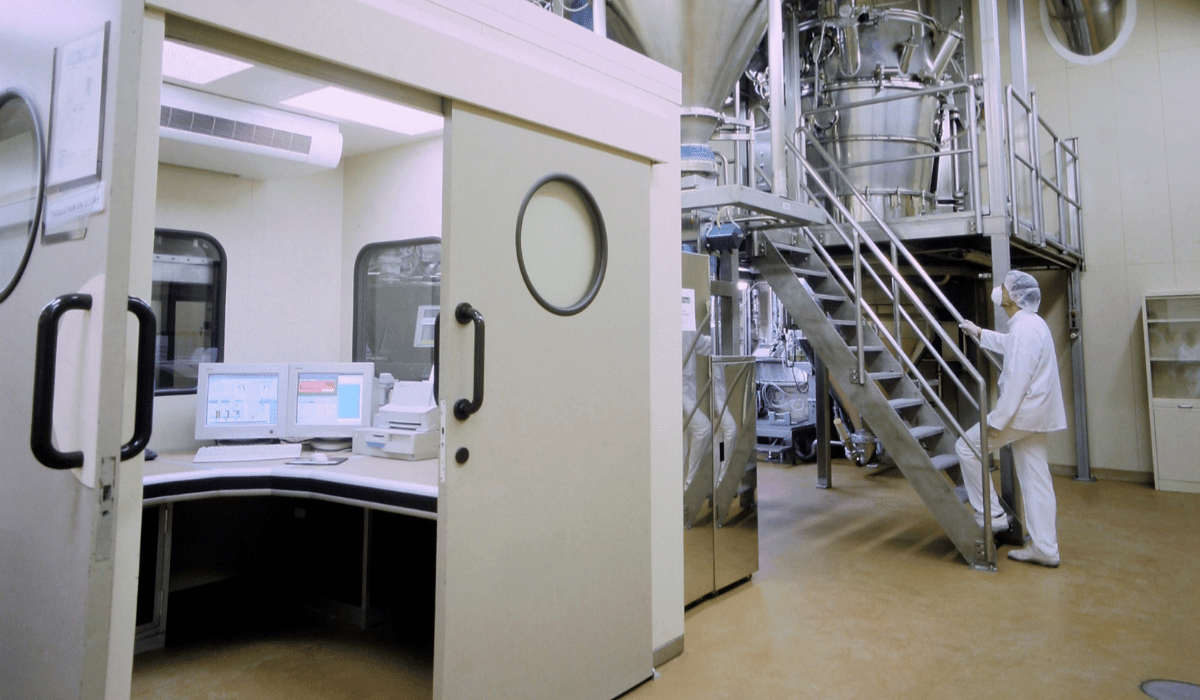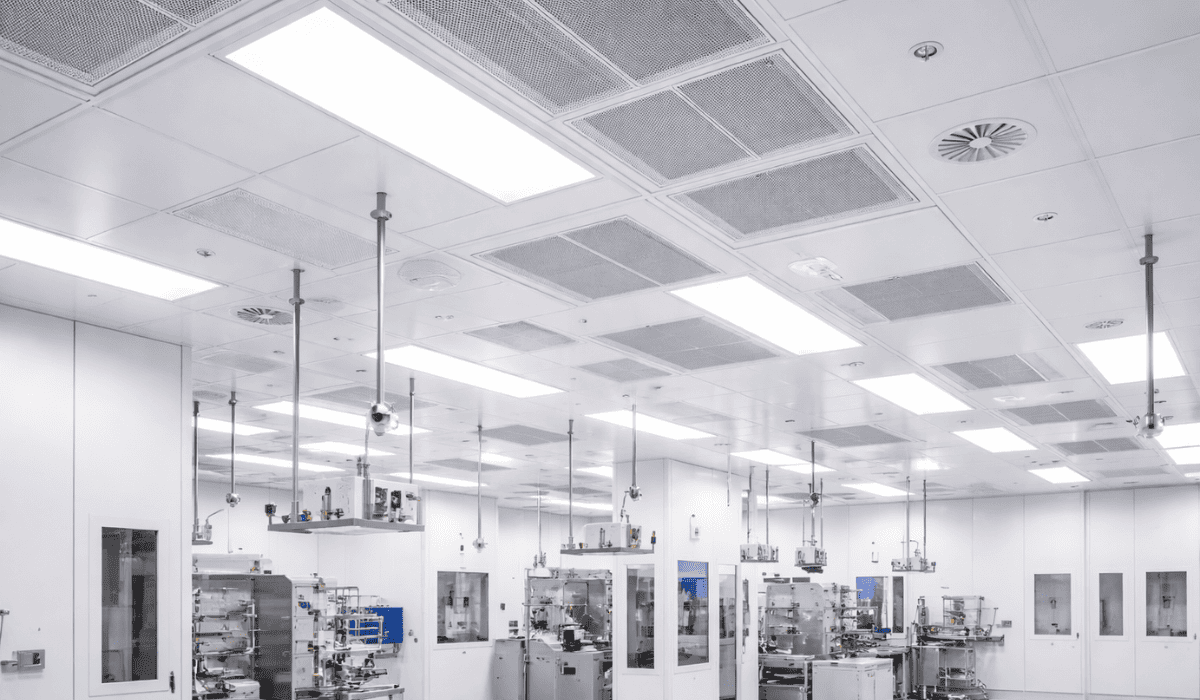
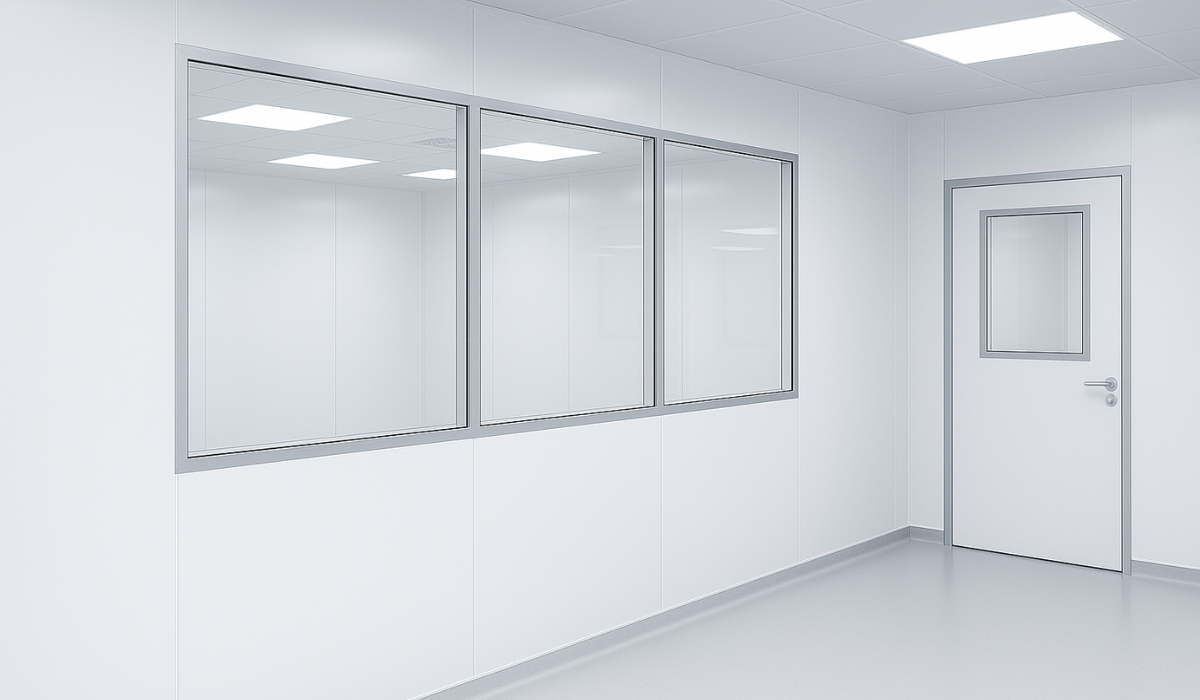
Cleanrooms are highly controlled environments designed to minimize contamination and maintain strict standards for air quality, temperature, humidity, and particle levels.
Industries such as pharmaceuticals, biotechnology, electronics, and aerospace rely heavily on cleanrooms for research, manufacturing, and testing processes.
Given their critical nature, building a cleanroom is not like constructing a typical commercial or residential space.
It raises a key question for businesses: Can a regular contractor build a cleanroom, or do you need a specialist?
Understanding Cleanroom Requirements
A cleanroom isn’t simply a room with smooth surfaces and air filters.
Its design and construction must adhere to ISO cleanroom standards, which classify cleanrooms based on allowable particle counts in the air.
ISO classifications range from ISO 1 (ultra-clean) to ISO 9 (relatively less strict), and each classification requires precise construction techniques, materials, and systems.
Cleanroom construction involves more than just walls and ceilings. Critical components include:
- High-efficiency air filtration systems (HEPA/ULPA filters)
- Controlled airflow patterns and pressurization
- Specialized materials that resist particle generation
- Proper sealing of all surfaces to prevent contamination
- Environmental monitoring systems for temperature, humidity, and particle levels
Any deviation from these standards can compromise the cleanroom’s functionality, potentially leading to costly contamination issues, regulatory non-compliance, and product losses.
The Limitations of Regular Contractors
Traditional contractors excel at conventional construction—installing drywall, painting, plumbing, and electrical systems.
However, cleanroom projects require cleanroom construction expertise.
While a regular contractor may be able to follow basic instructions, they typically lack the in-depth understanding of the highly specialized requirements of cleanroom construction.
Some key limitations include:
Knowledge of Standards and Regulations
Regular contractors may not be familiar with ISO classifications, GMP (Good Manufacturing Practices) guidelines, or other regulatory standards that cleanrooms must meet.
Without this knowledge, it is easy to overlook critical elements that ensure compliance.
Material Selection and Handling
Cleanrooms require materials that minimize particle generation and resist microbial growth.
Using the wrong materials, such as standard paints, ceiling tiles, or flooring—can compromise the environment.
Certified cleanroom contractors are trained in selecting and installing appropriate materials.
Installation of Specialized Systems
The installation of HVAC, filtration systems, and pressurization controls is highly technical.
A regular contractor may lack experience with airflow dynamics, pressure differentials, or cleanroom-specific mechanical systems.
Improper installation can lead to contamination or failure to meet ISO standards.
Precision and Attention to Detail
Cleanroom construction demands meticulous attention to every joint, seam, and connection.
Even minor gaps or misalignments can create contamination risks.
Specialists understand these tolerances and follow strict protocols to ensure the integrity of the cleanroom environment.
Why Specialists Are Essential for Cleanrooms Installation

Hiring certified cleanroom contractors or a team with specialized cleanroom installation experience ensures that the cleanroom is built to exact specifications.
These professionals bring the following advantages:
Deep Expertise in Cleanroom Construction
Specialized contractors are well-versed in ISO standards, GMP regulations, and cleanroom classifications.
Their experience allows them to anticipate challenges and implement solutions that maintain compliance.
Integrated Project Management
A cleanroom project often involves coordination with multiple vendors—equipment suppliers, HVAC specialists, and laboratory designers.
Specialists manage these interactions seamlessly, preventing delays and ensuring that all components meet standards.
Risk Mitigation
Construction mistakes can be costly in a cleanroom.
Contamination during the build or improper system installation can result in downtime and product loss.
Cleanroom experts reduce these risks through careful planning, monitoring, and quality control measures.
Cost-Effectiveness in the Long Run
Although hiring a specialist may have higher upfront costs than a regular contractor, the long-term savings are significant.
Minimizing rework, preventing contamination, and ensuring regulatory compliance can save both time and money.
Tailored Solutions for Specific Needs
Every cleanroom has unique requirements based on industry, ISO classification, and operational needs.
Specialized contractors design solutions that fit the exact specifications, including modular cleanrooms for flexibility or traditional construction for long-term permanence.
Modular vs. Traditional Cleanroom Construction
Understanding the construction method is another area where expertise matters.
Modular cleanrooms use pre-fabricated panels and components, which allow for faster installation and easier scalability.
Traditional cleanrooms are built from scratch, offering flexibility but often requiring longer construction times.
Certified cleanroom contractors guide businesses in choosing the best approach based on:
- Space availability
- Budget constraints
- Timeline requirements
- Future expansion plans
Without expertise, it’s easy to select the wrong construction type, leading to inefficiencies, wasted resources, and operational limitations.
Common Misconceptions About Regular Contractors
Some companies assume that because their contractor can handle advanced commercial projects, they can build a cleanroom.
This is a misconception due to several factors:
- Air Quality Complexity: Cleanroom air systems must maintain precise particle counts. Regular contractors are rarely trained in this level of HVAC precision.
- Contamination Risks: Even minor errors in sealing, surface finishing, or airflow design can compromise a cleanroom. Regular contractors may not understand the critical impact of these details.
- Validation and Testing Requirements: Cleanrooms require validation testing after construction to confirm that they meet ISO standards. Specialists are trained in performing these tests or coordinating with testing providers.
Steps to Ensure a Successful Cleanroom Build
If you are considering building a cleanroom, here are essential steps:
- Hire Certified Cleanroom Contractors: Ensure they have a proven track record and verified references.
- Define Your Requirements Clearly: Specify ISO classification, operational needs, and anticipated growth.
- Collaborate in Design: Engage your contractors in the design phase for optimal workflow, space utilization, and system placement.
- Plan for Installation and Commissioning: Specialists manage the installation process and conduct rigorous testing and validation before handover.
- Ensure Ongoing Support: Many certified contractors offer maintenance, retrofits, and upgrades to maintain compliance and efficiency over time.
Case Example: Ultrapure Technology, Inc.
Companies like Ultrapure Technology, Inc. showcase the importance of specialist cleanroom services.
With decades of experience, they provide turnkey design and build services for modular and traditional cleanrooms.
Their team collaborates closely with clients, coordinates subcontractors, and ensures all projects meet ISO cleanroom standards while staying on schedule and budget.
By choosing a specialized provider, companies avoid the pitfalls of working with regular contractors who may lack cleanroom construction expertise and fail to deliver a compliant, functional environment.
Conclusion
Building a cleanroom is a precise, highly regulated process that extends far beyond conventional construction practices.
While regular contractors may excel in general building projects, they typically lack the specialized knowledge, training, and experience required for successful cleanroom construction.
Certified cleanroom contractors and teams with specialized cleanroom installation experience bring unmatched value, including regulatory compliance, risk mitigation, cost-effectiveness, and optimized design solutions.
Whether you are constructing a modular cleanroom for rapid deployment or a traditional facility for long-term operations, relying on specialists ensures that your cleanroom functions safely, efficiently, and in full compliance with ISO standards.
Investing in certified expertise is not just a choice—it’s a necessity for any business that depends on cleanroom integrity.
About Us
Ultrapure Technology, Inc. has been supplying cleanroom and laboratory products since 1993.
We provide turnkey cleanroom design, installation, and retrofit services, delivering cost-effective solutions with a customer-focused approach.
Our experienced team guides you from design to completion, ensuring compliance and exceeding expectations.
FAQs
Can a regular contractor build a cleanroom?
While a regular contractor can handle basic construction, cleanroom projects require specialized knowledge in ISO standards, airflow dynamics, and contamination control. Without this expertise, a cleanroom may fail to meet regulatory compliance or functional requirements. Hiring certified cleanroom contractors is strongly recommended.
What makes cleanroom construction different from regular construction?
Cleanroom construction involves strict control over air quality, pressure, humidity, and particle levels. It requires specialized materials, precise installation techniques, and rigorous validation testing. Regular construction methods do not address these critical requirements.
What is the role of a certified cleanroom contractor?
Certified cleanroom contractors bring experience and knowledge in cleanroom construction expertise, regulatory standards, and specialized installation techniques. They manage the entire project, from design to commissioning, ensuring compliance, risk reduction, and operational efficiency.
Are modular cleanrooms easier to install than traditional ones?
Modular cleanrooms use pre-fabricated components, allowing faster installation and flexibility for future expansions. Traditional cleanrooms offer design flexibility but typically take longer to construct. A certified contractor can guide you on the best option based on your operational needs, timeline, and space.
What industries require specialist cleanroom installation?
Industries such as pharmaceuticals, biotechnology, electronics, aerospace, and food manufacturing often require cleanrooms. Any sector with stringent contamination control or regulatory compliance needs benefits from specialized cleanroom installation.
How do specialists ensure ISO cleanroom compliance?
Specialists follow ISO cleanroom standards from design through construction, including material selection, airflow control, and environmental monitoring. They also conduct post-installation validation and testing to confirm that the cleanroom meets required particle counts and operational specifications.
Can mistakes during cleanroom construction be fixed later?
While some errors can be corrected, issues like poor sealing, improper airflow, or wrong materials can compromise the cleanroom’s integrity. Fixing these problems often requires additional costs, downtime, and potential contamination risk. Hiring experts from the start minimizes such risks.
Is hiring a specialist more expensive than a regular contractor?
Specialists may have higher upfront costs due to their expertise, but this investment prevents costly rework, contamination incidents, and regulatory non-compliance. Over time, it is more cost-effective than hiring a regular contractor without cleanroom construction expertise.
Can cleanroom specialists retrofit an existing facility?
Yes, many certified cleanroom contractors provide retrofit services, updating existing spaces to meet modern standards or higher ISO classifications. Retrofitting often involves upgrades to filtration, surfaces, and monitoring systems while minimizing disruption to operations.
How do I know if a contractor has real cleanroom experience?
When evaluating a cleanroom contractor, look beyond standard construction experience. A qualified specialist should have a portfolio of certified cleanroom facilities, knowledge of ISO requirements, and experience managing contamination control systems. Asking for project references and validation records can help verify their expertise.
Can a general contractor build a certified cleanroom facility?
A general contractor may be able to construct the physical structure, but building a certified cleanroom facility requires specialized knowledge of airflow management, filtration systems, pressure control, and ISO compliance. Working with a cleanroom specialist helps ensure the facility meets performance and certification requirements.
Which companies offer specialized cleanroom construction services near me?
When searching for specialized cleanroom construction services near me, focus on companies with proven experience in cleanroom design, construction, installation, and certification support. Reputable cleanroom companies should be able to demonstrate successful projects in industries similar to yours and provide end-to-end project management.
Why is airflow design so important in cleanroom construction?
Airflow design is one of the most critical aspects of cleanroom construction because it controls how contaminants are removed from the environment. Proper airflow patterns help maintain cleanliness levels, support regulatory compliance, and reduce the risk of product contamination or process disruptions.
How can I find reputable companies specializing in cleanroom design and build?
Look for companies with extensive cleanroom experience, industry certifications, and a strong track record of completed projects. Reputable companies specializing in cleanroom design and build should offer consultation, engineering, installation, validation, and ongoing support services to ensure long-term performance.
What are the risks of hiring a regular contractor for cleanroom construction?
Hiring a regular contractor for cleanroom construction can result in design flaws, compliance issues, improper airflow control, and contamination risks. These mistakes may require costly corrections, project delays, and additional certification testing before the facility can become operational.
Can a cleanroom contractor help with certification and validation?
Yes, experienced cleanroom contractors typically assist with certification and validation requirements. They coordinate testing procedures, verify environmental performance, and help ensure the cleanroom complies with applicable ISO standards before it is put into operation.
How early should a cleanroom specialist be involved in a project?
A cleanroom specialist should ideally be involved during the planning and design phase. Early collaboration helps identify technical requirements, optimize workflows, prevent costly redesigns, and ensure the cleanroom is built according to industry standards from the start.
How do specialized cleanroom services reduce project risks?
Specialized cleanroom services reduce risks by applying proven construction methods, contamination control strategies, and regulatory expertise throughout the project. Their experience helps prevent costly errors, improves compliance outcomes, and ensures the cleanroom performs as intended after installation.