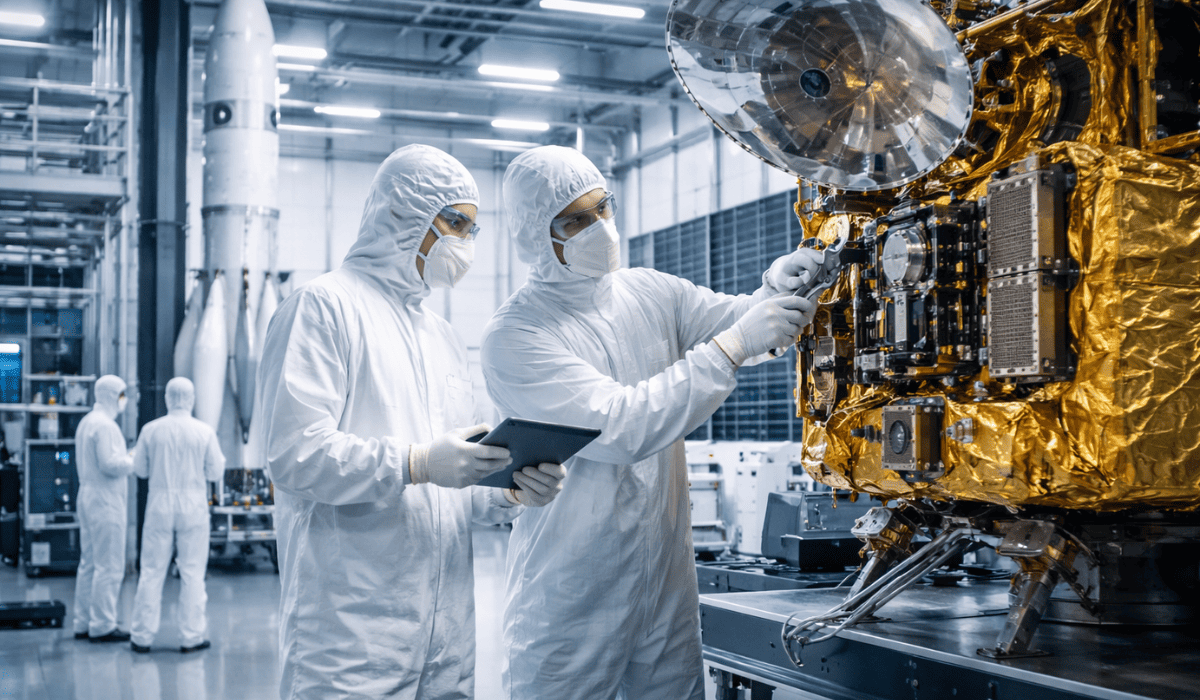
Aerospace cleanroom manufacturing is the foundation of modern aerospace production.
This ensures that highly sensitive components are built, assembled, and tested in controlled environments where contamination risks are minimized and precision is protected.
As aerospace systems become more complex and tolerances tighter, cleanrooms are no longer optional—they are essential infrastructure for safety, performance, and compliance.
From avionics and propulsion systems to satellites and advanced composites, cleanrooms support the strict environmental conditions required to meet aerospace quality and reliability standards.
Why Aerospace Manufacturing Demands Cleanroom Environments
Aerospace components operate in extreme conditions, where even microscopic defects can lead to system failures or mission loss.
Particles invisible to the human eye can compromise electronics, optics, sensors, and mechanical assemblies, creating risks that are unacceptable in aerospace applications.
Cleanroom environments provide controlled airflow, filtration, temperature, and humidity, ensuring that aerospace products are manufactured without exposure to harmful contaminants. This level of control is essential for consistent quality and long-term performance in high-precision aerospace manufacturing.
What Is Aerospace Cleanroom Manufacturing?
Aerospace cleanroom manufacturing refers to the use of ISO-classified clean environments during fabrication, assembly, inspection, and testing of aerospace components.
Unlike conventional industrial spaces, these cleanrooms regulate airborne particle counts, pressure differentials, and environmental stability.
This controlled approach allows manufacturers to meet strict aerospace cleanroom standards while reducing defects, minimizing rework, and lowering risk across the entire production lifecycle.
Aerospace Cleanroom Standards and ISO Compliance
Aerospace manufacturing relies heavily on ISO cleanroom classifications to define acceptable particle levels and cleanliness thresholds.
Strong aerospace cleanroom ISO compliance ensures environments meet strict requirements for sensitive aerospace applications.
Adhering to ISO classifications supports traceability, documentation, and validation.
These are critical for audits, certifications, and customer confidence.
These standards also help align aerospace production with global quality expectations and structured contamination prevention.
Aerospace Applications That Rely on Cleanrooms
Many high-precision aerospace processes depend on cleanroom environments, including:
- Aerospace assembly cleanrooms for avionics and electronics
- Satellite and spacecraft component manufacturing
- Optical systems, sensors, and guidance technologies
- Composite material fabrication and bonding
- Precision mechanical and propulsion system components
Each application benefits directly from contamination control in aerospace, improving reliability and repeatable product quality.
Contamination Control Challenges in Aerospace Manufacturing
Aerospace manufacturing faces contamination risks that must be managed through cleanroom planning and disciplined operation. The most common challenges include:
- Airborne particles that affect electronics and optics
- Electrostatic discharge risks during assembly
- Temperature and humidity sensitivity of materials
- Human-borne contamination from personnel movement
Effective contamination control in aerospace cleanrooms reduces these risks while supporting consistent production outcomes.
Aerospace Cleanroom Design Considerations
Successful aerospace cleanroom design begins with understanding of workflow, process sensitivity, and compliance requirements.
Cleanroom layouts must support efficient material movement while maintaining cleanliness zones and pressure control.
Material selection for walls, ceilings, and flooring plays a critical role in reducing particle generation.
Proper zoning ensures that different manufacturing stages maintain appropriate cleanliness levels without cross-contamination.
Cleanroom HVAC and Environmental Control for Aerospace
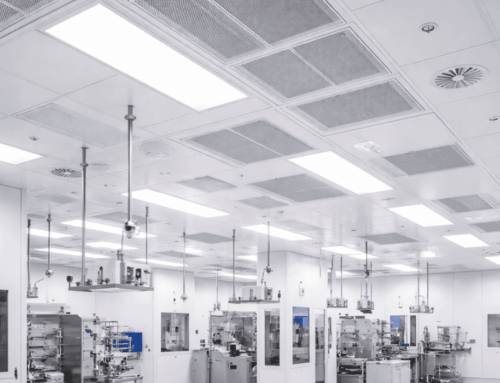
Cleanroom HVAC for aerospace applications must deliver precise environmental control.
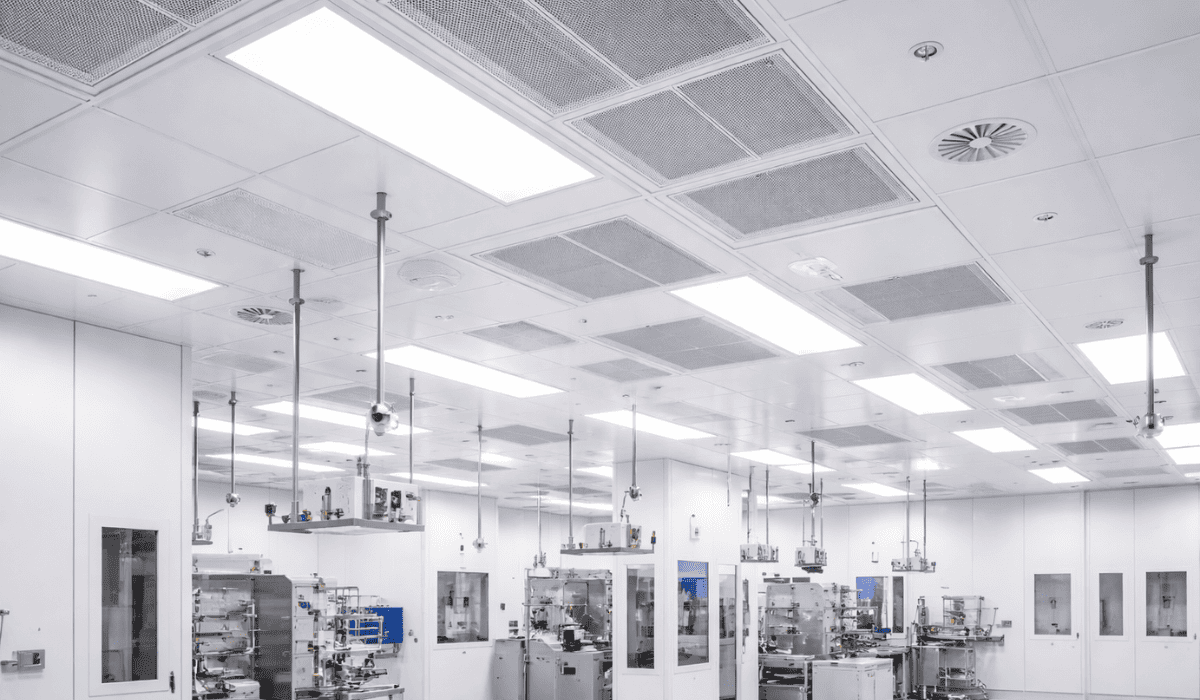
HEPA and ULPA filtration systems remove airborne contaminants, while controlled air change rates maintain cleanliness without disrupting sensitive processes.
Temperature and humidity stability protect materials, prevent condensation, and support consistent assembly conditions.
Energy-efficient HVAC design is also essential for managing long-term operating costs in aerospace cleanrooms.
Modular Aerospace Cleanrooms and Their Advantages
Modular aerospace cleanrooms offer a flexible alternative to traditional construction.
These systems allow aerospace manufacturers to scale cleanroom capacity quickly as programs evolve or production volumes increase.
Modular aerospace cleanrooms reduce installation time, minimize disruption to existing operations, and allow future reconfiguration.
This adaptability makes them ideal for aerospace environments where innovation and change are constant.
Supporting High-Precision Aerospace Manufacturing
High-precision aerospace manufacturing depends on cleanroom environments to support exacting tolerances during assembly and testing.
Cleanrooms improve inspection accuracy, calibration reliability, and measurement consistency.
By maintaining controlled conditions, aerospace cleanrooms reduce variability, improve yield, and protect mission-critical components throughout the production process.
Cleanroom Construction for the Aerospace Industry
Cleanroom construction for the aerospace industry requires close coordination between engineers, cleanroom specialists, and production teams.
Whether integrating cleanrooms into existing facilities or developing new aerospace plants, planning must account for airflow, structural compatibility, and compliance.
Early integration of cleanroom requirements reduces costly modifications and ensures seamless alignment with aerospace manufacturing goals.
Operational Best Practices in Aerospace Cleanrooms
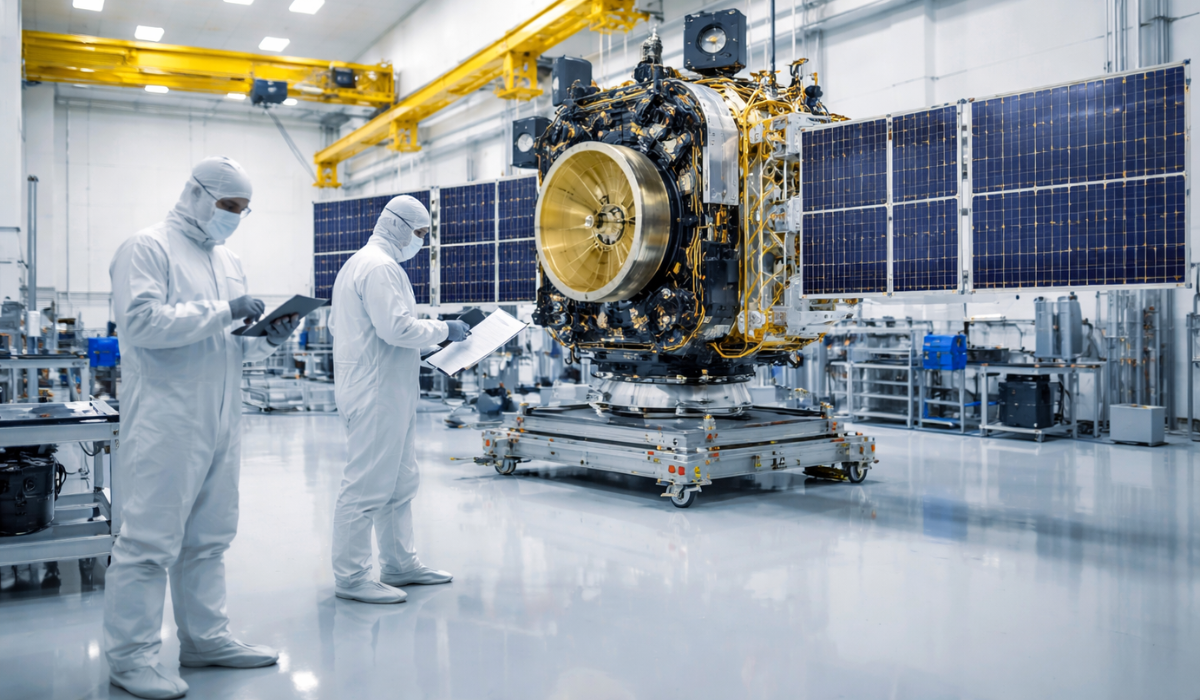
Effective cleanroom operation depends on disciplined procedures and trained personnel.
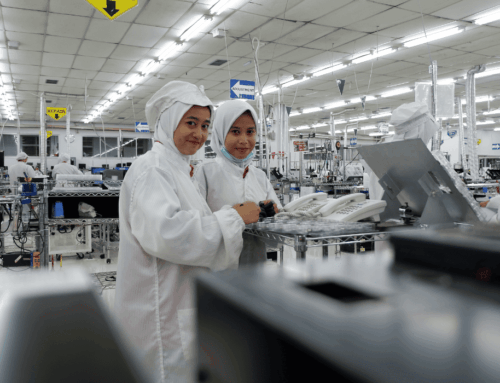
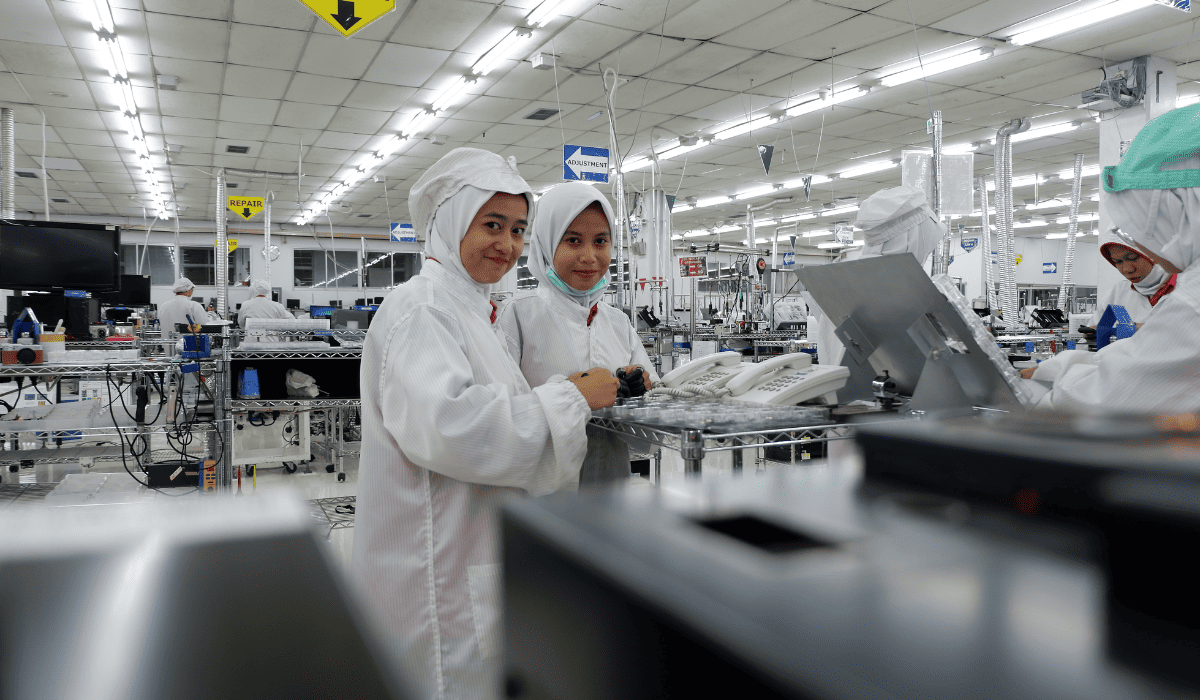
Gowning protocols, cleaning schedules, and environmental monitoring help maintain aerospace cleanroom standards over time.
Routine testing and performance verification ensure that cleanrooms continue to meet ISO classifications and support consistent manufacturing quality.
Cost Efficiency and ROI of Aerospace Cleanrooms
While aerospace cleanrooms require upfront investment, the long-term return is significant.
Reduced defect rates, fewer failures, and improved production efficiency offset initial costs.
Modular cleanroom solutions further enhance ROI by allowing phased expansion and minimizing downtime, making cleanrooms a strategic asset rather than a fixed expense.
Why Cleanrooms Drive Aerospace Innovation
Cleanrooms enable aerospace manufacturers to push technological boundaries while maintaining safety and compliance.
They provide the controlled foundation needed to develop next-generation systems without compromising reliability.
In an industry where precision defines success, cleanrooms are not just facilities; they are competitive advantages.
By tightly controlling airborne particles, temperature, humidity, and electrostatic conditions, cleanrooms create environments where innovation can occur without introducing hidden risks.
These conditions are essential as aerospace components become smaller, more complex, and more sensitive to contamination.
Cleanrooms Enable Advanced Aerospace Research and Development
Cleanrooms support aerospace research and development by providing stable, repeatable environments for experimentation and prototyping.
Engineers can evaluate new materials, manufacturing techniques, and component designs without environmental variability influencing results.
This consistency accelerates validation cycles and allows aerospace teams to confidently transition innovations from laboratory testing to full-scale production with fewer design revisions.
Supporting Miniaturization and High-Precision Aerospace Components
Modern aerospace systems rely on increasingly miniaturized electronics, sensors, and optical components.
Even microscopic contaminants can interfere with performance or cause long-term reliability issues.
Cleanrooms protect these high-precision aerospace components by maintaining strict contamination control, enabling tighter tolerances and higher functional density without increasing failure risk.
Cleanrooms Reduce Innovation Risk While Improving Reliability
Innovation in aerospace carries inherent risk, but cleanroom environments significantly reduce uncertainty.
Controlled airflow, filtration, and pressure differentials prevent contamination-related defects that can undermine new designs.
By eliminating environmental variables, cleanrooms ensure that performance outcomes reflect engineering quality rather than external interference, improving reliability across new aerospace technologies.
Enabling Compliance Without Slowing Innovation
Aerospace manufacturers must balance innovation with strict regulatory and quality requirements.
Cleanrooms simplify this balance by embedding compliance into the production environment itself.
Controlled conditions support traceability, documentation, and process validation, allowing aerospace programs to meet certification standards without delaying innovation timelines.
Cleanrooms as a Platform for Scalable Aerospace Innovation
Cleanrooms allow aerospace innovations to scale efficiently from prototypes to production.
Modular cleanroom designs, in particular, enable manufacturers to adapt environments as programs evolve or production volumes increase.
This scalability ensures that new aerospace technologies can be commercialized and deployed without compromising environmental control or manufacturing quality.
Strengthening Cross-Disciplinary Aerospace Collaboration
Cleanrooms serve as shared environments where engineering, materials science, electronics, and quality teams collaborate effectively.
By reducing contamination risks at every stage, cleanrooms protect innovation investments and improve coordination across disciplines.
This integrated approach helps aerospace manufacturers move faster while maintaining consistency and accountability throughout the innovation lifecycle.
Cleanrooms as Long-Term Strategic Assets
Rather than short-term infrastructure, cleanrooms function as long-term strategic assets.
They enable continuous innovation by providing environments capable of supporting future technologies with tighter tolerances and higher performance demands.
As aerospace systems grow more advanced, cleanrooms remain foundational to maintaining leadership, reliability, and competitive advantage in a precision-driven industry.
Conclusion
As aerospace technology advances, cleanrooms will continue to evolve.
Increasing miniaturization, tighter tolerances, and automation demand even greater environmental control.
Sustainable cleanroom designs, energy-efficient HVAC systems, and real-time monitoring technologies are shaping the future of aerospace cleanroom manufacturing.
Aerospace cleanroom manufacturing is essential for achieving precision, reliability, and compliance in today’s aerospace industry.
From contamination control to ISO compliance and modular flexibility, cleanrooms support every stage of high-precision aerospace production.
When designed and executed correctly, cleanrooms protect product integrity, reduce risk, and enable innovation at scale.
Partner with Ultrapure Technology for Aerospace Cleanroom Solutions
UltraPure Technology specializes in cleanroom construction for the aerospace industry, delivering custom and modular aerospace cleanrooms designed for ISO compliance, contamination control, and long-term performance.
If your aerospace facility requires precision-driven cleanroom solutions, our team provides expert design, engineering, and execution to support mission-critical manufacturing from day one.
Frequently Asked Questions
What is aerospace cleanroom manufacturing?
Aerospace cleanroom manufacturing uses controlled environments to fabricate, assemble, and test aerospace components. These cleanrooms regulate particle levels, airflow, temperature, and humidity to protect sensitive systems. This approach ensures consistent quality and long-term reliability.
Why are cleanrooms critical in the aerospace industry?
Cleanrooms prevent microscopic contamination that can damage aerospace components. Even minor particles can cause performance failures or safety risks. Controlled environments ensure compliance with aerospace cleanroom standards and reduce production defects.
Which ISO cleanroom standards apply to aerospace manufacturing?
Aerospace manufacturing commonly follows ISO cleanroom classifications under ISO 14644. These standards define allowable particle levels and cleanliness requirements. Compliance supports regulatory approval, documentation, and quality assurance.
What types of aerospace components require cleanrooms?
Aerospace assembly cleanrooms are used for avionics, satellites, optics, sensors, and propulsion components. Cleanrooms also support composite material fabrication and precision mechanical assemblies. Each application benefits from contamination control.
How do modular aerospace cleanrooms differ from traditional cleanrooms?
Modular aerospace cleanrooms are prefabricated systems designed for faster installation and scalability. They offer flexibility to expand or reconfigure as aerospace programs evolve. Traditional cleanrooms are more permanent and time-intensive to build.
What role does HVAC play in aerospace cleanrooms?
Cleanroom HVAC for aerospace controls airflow, filtration, temperature, and humidity. HEPA or ULPA filters remove airborne particles, while pressure control prevents contamination entry. Proper HVAC design is essential for maintaining ISO compliance.
Can cleanrooms be added to existing aerospace facilities?
Yes, cleanroom construction for the aerospace industry can be integrated into existing buildings. Modular systems are especially effective for retrofits. Proper planning ensures minimal disruption and full compliance.
How do cleanrooms improve aerospace manufacturing efficiency?
Cleanrooms reduce defects, rework, and inspection failures by maintaining stable environments. This improves yield, shortens production cycles, and enhances product reliability. Over time, cleanrooms deliver strong operational and financial benefits.
Are aerospace cleanrooms cost-effective long-term?
Although initial investment is higher, aerospace cleanrooms reduce costly failures and recalls. Modular solutions improve cost efficiency by allowing phased growth. The long-term ROI comes from improved quality and reduced risk.