
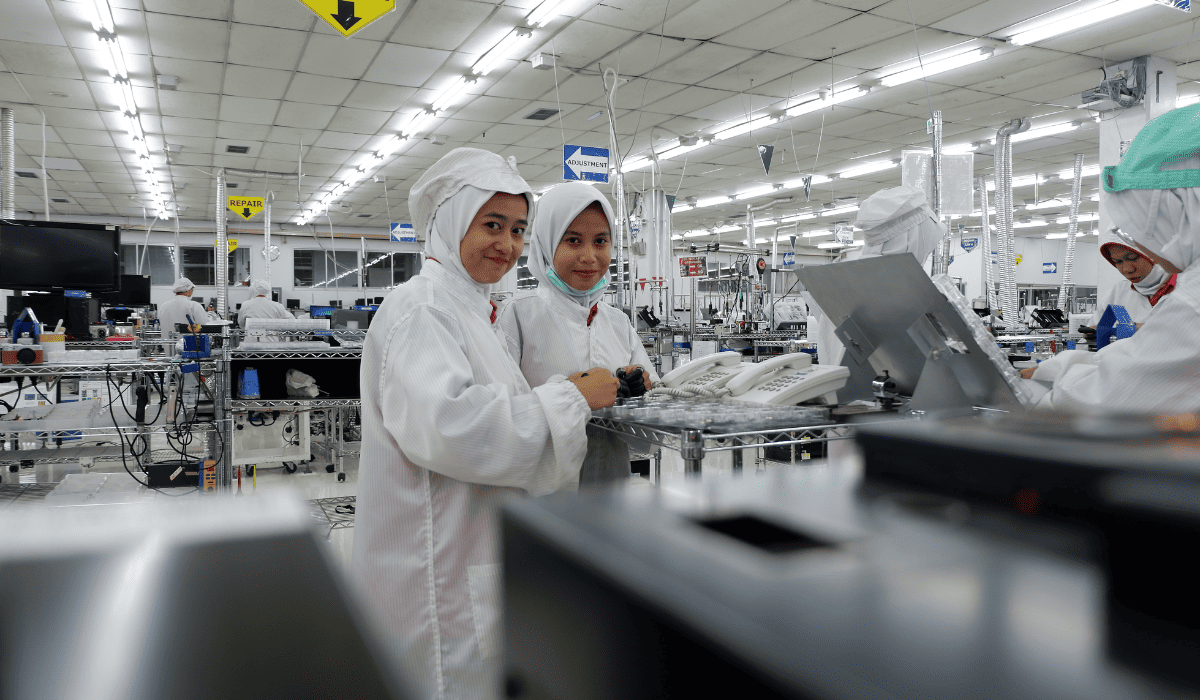
Pharmaceutical cleanrooms operate under far tighter environmental tolerances than conventional commercial or industrial spaces.
Temperature, humidity, airflow, and pressure relationships must remain stable at all times to protect product quality, maintain sterility, and meet regulatory expectations.
At the center of this control strategy lies heat load calculation in pharma cleanrooms, a foundational design activity that directly determines HVAC performance, compliance reliability, and long-term operating efficiency.
When heat load calculations are overlooked, rushed, or treated as a generic HVAC exercise, cleanrooms often struggle with temperature drift, validation failures, excessive energy use, and costly redesigns.
Understanding the purpose of heat load calculation and executing it correctly is essential for any GMP-regulated facility.
What Is Heat Load Calculation in Pharma Cleanrooms?
Heat load calculation in pharma cleanrooms is the process of quantifying all sources of heat that affect the controlled environment so the HVAC system can be designed to remove that heat consistently and precisely.
In contrast to comfort cooling, pharmaceutical cleanroom HVAC design must account for process-driven loads, high air change rates, filtration pressure drops, and stringent environmental constraints.
This calculation forms the technical basis for:
- HVAC system sizing
- Airflow and temperature control strategies
- Humidity management
- Validation and documentation readiness
In pharmaceutical environments, even small miscalculations can disrupt airflow patterns, destabilize temperature control, or compromise contamination control.
Purpose of Heat Load Calculation in Pharma Cleanrooms
Ensuring Precise Temperature and Humidity Control
Pharmaceutical manufacturing processes are highly sensitive to environmental fluctuations. Many products, raw materials, and sterile operations require temperature stability within very narrow limits.
Accurate pharma cleanroom heat load calculation ensures HVAC systems can maintain consistent conditions without overshooting or lag, even during peak operational loads.
Proper heat load estimation also supports humidity control.
Excessive cooling capacity can make humidity unstable, while insufficient capacity can allow moisture buildup both of which introduce contamination and compliance risks.
Supporting GMP and Regulatory Compliance
Regulatory agencies do not approve HVAC systems based on equipment brand or size alone.
They assess performance consistency, control capability, and documented engineering rationale.
Heat load calculations are often reviewed indirectly during:
- HVAC qualification
- Environmental monitoring reviews
- Deviation investigations
- Change control assessments
Well-documented cleanroom heat load estimation demonstrates that the HVAC system was intentionally designed to support GMP operations, not simply oversized to “be safe.”
Preventing HVAC Overdesign and Undersizing
Oversized HVAC systems are a common issue in pharmaceutical facilities. While they may appear safer on paper, they often create operational problems such as:
- Short cycling
- Poor humidity control
- Unstable airflow patterns
- Higher energy consumption
Undersized systems, on the other hand, struggle to maintain temperature under full production conditions.
Accurate HVAC heat load calculation for cleanrooms strikes the balance between reliability and efficiency, avoiding both extremes.
Improving Energy Efficiency and Lifecycle Performance
Energy costs represent a significant portion of cleanroom operating expenses.
Because pharmaceutical cleanrooms run continuously, even minor inefficiencies compound over time.

Accurate heat load calculation allows designers to match HVAC capacity precisely to actual demand, reducing unnecessary energy use while maintaining compliance.
Over the lifecycle of a cleanroom, this translates into:
- Lower operating costs
- Reduced equipment wear
- Fewer corrective modifications
- Improved sustainability performance
Key Components of Heat Load Calculation in Pharma Cleanrooms
External Heat Loads
External heat loads originate from the building envelope and surrounding environment. These include:
- Heat transfer through walls, ceilings, roofs, and floors
- Solar heat gain through exterior surfaces
- Ambient temperature variations
In pharmaceutical cleanrooms, envelope construction quality plays a major role in stabilizing HVAC demand.
Poor insulation or thermal bridging increases cooling load and compromises environmental consistency.
Internal Heat Loads
Internal heat loads typically represent the largest and most complex portion of pharmaceutical cleanroom HVAC design calculations. These include:
- Process equipment heat dissipation
- Autoclaves, reactors, filling lines, and packaging systems
- Cleanroom lighting systems
Equipment heat loads often vary by operating mode, making accurate estimation essential for peak-load conditions.
Occupancy and Personnel Heat Load
Cleanroom personnel generate both sensible and latent heat. Gowning requirements further affect how heat is released into the space. People heat load calculations must account for:
- Number of operators
- Duration of occupancy
- Cleanroom classification and gowning level
Even small misjudgments in occupancy assumptions can affect temperature stability in tightly controlled environments.
Ventilation and Air Change Heat Load
Pharma cleanrooms rely on high air change rates to control contamination.
However, moving and conditioning large volumes of air introduces substantial heat load. Key contributors include:
- Fresh air intake
- Exhaust air losses
- Pressure cascade requirements
The interaction between airflow and heat removal makes cleanroom cooling load calculation far more complex than standard HVAC design.
Heat Load Calculation vs Cooling Load Calculation in Cleanrooms
Although often used interchangeably, heat load and cooling load are not identical in cleanroom design.
Heat load refers to all heat entering or generated within the space.
Cooling load reflects the HVAC system capacity required to remove that heat while maintaining airflow, filtration, and pressure requirements.
In cleanrooms, airflow volume often drives cooling demand as much as temperature difference, making traditional cooling load shortcuts unreliable.
Challenges in Heat Load Calculation for Pharma Cleanrooms
Equipment Heat Load Variability
Pharmaceutical equipment rarely operates at a constant thermal output. Batch processing, cleaning cycles, and standby modes all change heat generation profiles.
Failing to account for these variations can result in HVAC systems that perform well during testing but struggle during real-world operations.
Validation and Commissioning Gaps
When cleanroom heat load calculation purpose is misunderstood or delayed, HVAC systems may be installed before realistic assumptions are validated. This leads to:
- Late-stage design changes
- Retesting delays
- Increased commissioning costs
Early, accurate calculations reduce these risks significantly.
Expansion and Scalability Risks
Many pharmaceutical facilities evolve over time. Inadequate heat load planning can limit future expansion or require major HVAC upgrades sooner than expected.
Scalable design begins with realistic load estimation.
Best Practices for Accurate Heat Load Calculation in Pharma Cleanrooms
Early Integration in Cleanroom Design
Heat load calculation should begin during the conceptual design phase, not after layout decisions are finalized.
Early collaboration between process engineers, cleanroom designers, and HVAC specialists ensures that design assumptions accurately reflect real operational conditions.
Integrating heat load calculation early and coordinating it with overall pharmaceutical cleanroom construction planning ensures HVAC systems, layouts, and materials support GMP compliance from day one.
Equipment-Specific Heat Load Data Collection
Manufacturer-provided heat dissipation data should be used whenever possible.
Where exact data is unavailable, conservative but realistic assumptions are essential.
Accounting for Cleanroom Classification Requirements
Higher ISO classifications require higher airflow rates, which directly increase thermal demand.
Heat load calculations must align with classification targets to avoid airflow and temperature conflicts.
Designing for Validation and Documentation
Calculations should be structured to support qualification protocols.
Clear documentation simplifies IQ, OQ, and PQ activities and strengthens audit readiness.
Consequences of Poor Heat Load Calculation in Pharma Cleanrooms
When heat load calculation is inaccurate or incomplete, facilities often experience:
- Temperature instability
- Humidity control issues
- Increased contamination risk
- HVAC failures during validation
- Regulatory observations
- Higher long-term operating costs
Correcting these issues after construction is far more expensive than addressing them during design.
Role of Heat Load Calculation in Long-Term Cleanroom Performance
Accurate heat load calculation supports consistent performance throughout the cleanroom lifecycle.
It reduces downtime, simplifies change management, and ensures environmental control remains reliable even as processes evolve.
Conclusion
Heat load calculation in pharma cleanrooms is not a theoretical exercise; it is a practical requirement for compliance, performance, and efficiency.
By accurately identifying and accounting for all sources of heat, pharmaceutical facilities can design HVAC systems that support stable operations, pass validation confidently, and operate efficiently for years to come.
Plan Your Pharma Cleanroom HVAC the Right Way
Accurate heat load calculation is the foundation of compliant and reliable pharmaceutical cleanroom performance.
When HVAC systems are designed around real process demands, not assumptions, you reduce validation risk, control energy costs, and ensure long-term operational stability.
At UltraPure Technology, we are experts in pharmaceutical cleanroom design and construction to ensure your heat load calculations, HVAC systems, and cleanroom layouts are aligned from concept through commissioning.
Choosing the right partner is just as important as getting the calculations right.
Understanding https://www.ultrapuretechnology.com/common-challenges-in-cleanroom-design-projects-and-how-we-avoid-them/ helps ensure your HVAC design, construction quality, and GMP compliance goals are fully aligned from the start.
Frequently Asked Questions
Why is heat load calculation critical in pharma cleanrooms?
Heat load calculation ensures the HVAC system can maintain stable temperature and humidity under real production conditions. In pharmaceutical cleanrooms, even minor thermal instability can affect product quality, sterility assurance, and environmental monitoring results. Accurate calculations reduce compliance risk and support consistent GMP operations.
How does heat load calculation differ from standard HVAC design?
Standard HVAC design focuses on occupant comfort, while heat load calculation in pharma cleanrooms must account for process equipment, high air change rates, filtration pressure losses, and strict regulatory limits. These additional factors make pharmaceutical cleanroom HVAC design far more precise and performance-driven. Generic comfort-based calculations are not sufficient for GMP environments.
What risks occur when HVAC systems are oversized in pharma cleanrooms?
Oversized HVAC systems often lead to short cycling, unstable humidity control, and inefficient energy use. These issues can cause temperature fluctuations that interfere with cleanroom performance and validation consistency. Over time, excessive capacity also increases operating costs and maintenance demands.
Can poor heat load calculation affect cleanroom validation outcomes?
Yes, inaccurate heat load estimation can cause temperature and humidity instability during IQ, OQ, or PQ testing. This often results in failed qualification, corrective actions, and revalidation delays. Regulators expect environmental control systems to perform as designed under full operational load.
How do equipment heat loads influence pharmaceutical cleanroom HVAC design?
Process equipment generates significant and often variable heat depending on operating mode, batch cycles, and cleaning processes. If equipment heat loads are underestimated, HVAC systems may fail to maintain required conditions during peak production. Accurate equipment heat load data is essential for reliable cleanroom performance.
Is heat load calculation important for future cleanroom expansion?
Heat load calculation plays a key role in designing HVAC systems that can accommodate future equipment additions or process changes. Without proper planning, expansion may require costly HVAC upgrades or system replacements. Scalable cleanroom design starts with realistic load assumptions.
How does airflow impact heat load in pharmaceutical cleanrooms?
High air change rates significantly increase the volume of air that must be cooled, dehumidified, and filtered. This airflow-driven demand often represents a major portion of the total cooling load. Cleanroom heat load calculation must balance contamination control requirements with thermal capacity planning.
Who should be involved in heat load calculation for pharma cleanrooms?
Effective heat load calculation requires collaboration between HVAC engineers, cleanroom designers, and process experts. Each group contributes critical information about airflow requirements, equipment operation, and regulatory expectations. This coordinated approach reduces design gaps and validation risk.
When should heat load calculation be performed during a cleanroom project?
Heat load calculation should begin during early design stages and be refined as process details are finalized. Early planning prevents costly redesigns, supports smoother commissioning, and improves long-term HVAC reliability. Waiting until late design phases often leads to operational and compliance challenges.