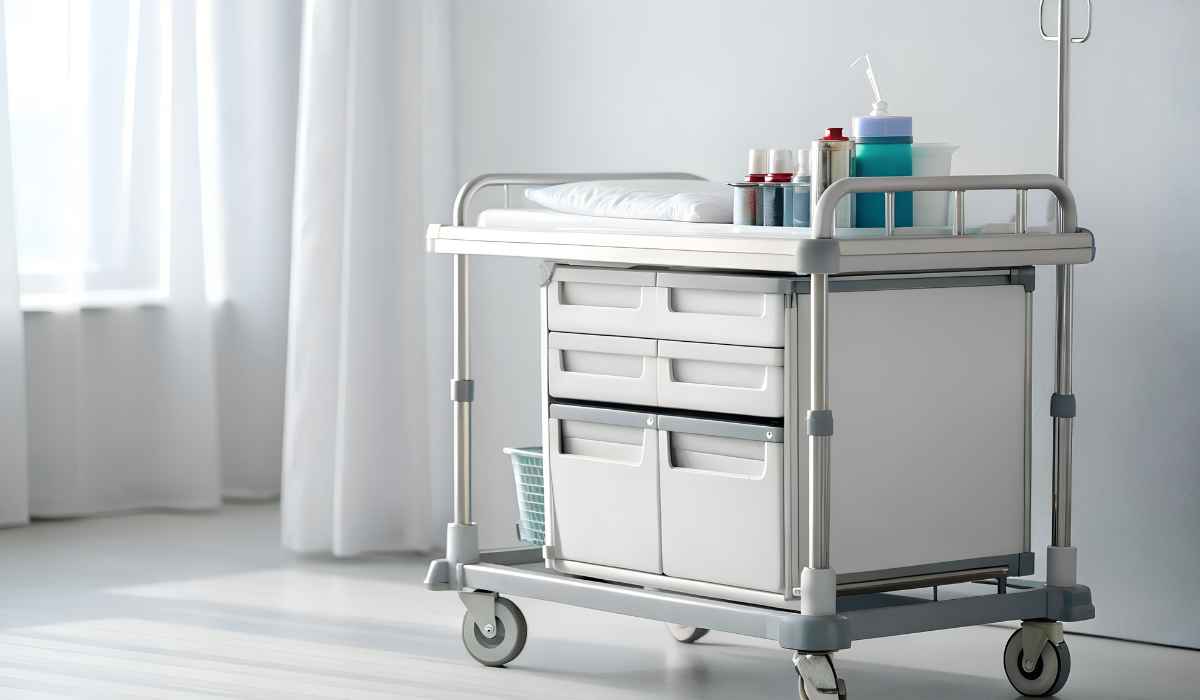
A cleanroom cart may look like a simple tool, but it is a specialized mobile workstation made from materials such as stainless steel to minimize contamination and help maintain cleanroom compliance.
Unlike cleanrooms, every single detail matters. The same applies to carts’ quality and safety.
Ensure that it is made of non-porous materials for easy cleaning and smooth use.
The role of cleanroom carts is to move items from one place to another. However, you should pay attention to its safety, regulatory compliance facilities, improved workflow efficiency, adaptability, and customization.
As at the time of low air quality, your operations stuck. Similarly, cleanroom carts should be properly organized that resist particle buildup, and be bought with ESD-safe features and more drawers, bins, and shelves to handle cleanroom tasks.
Whether you work in electronics, medical devices, pharmaceuticals, biotechnology, or electronics manufacturing, selecting the right cleanroom cart is an important decision.
This guide helps you know the eight practical steps, so you can pick a cart that truly suits workflow, your environment, and your long-term needs.
Start With Your Cleanroom Environment
Before jumping into cart materials or styles, think about why you are purchasing a cart and where it will be used.
Types of cleanrooms can differ, and their uses can also vary based on particular industry needs.
For example, a cart that is ideal for one space doesn’t mean it works perfectly for other areas, such as packaging businesses, pharmaceutical applications, manufacturing facilities, aerospace, and medical devices.
Before making a purchase of a cart, you must know the different types of ISO classes in which your cleanroom operates. Also, you must know whether a cart is helpful for smoother finish material or whether it has other requirements and compatibility needs.
Ask yourself:
- What types of items it will carry. For example, sterile products, raw materials, tools, or finished components?
- Will the cart move between various controlled zones?
Answering these questions helps you avoid expensive mistakes and ensures that it doesn’t cause issues with your contamination control strategy.
Select Materials That Offer Cleanliness
Material plays a critical role in how well a cart performs in a cleanroom.
Common cleanroom carts are made of stainless steel, and this material supports efficient cleaning. They don’t absorb chemicals, resist corrosion, and are easy to sanitize.
Carts that have smooth surfaces are best for rough areas and don’t let the particles get trapped in seams.
For cleanrooms that make easy contact with chemicals and frequent disinfection, stainless steel is often the most reliable and safest option.
Materials using coated steel or aluminium are affordable, but they are not useful for high-grade cleanrooms or where aggressive cleaning is required. One of the best options is to choose stainless steel cleanroom carts because they are durable and are easy to clean.
Think About How the Cart Will Move
Mobility offers convenience and at the same time focuses on efficiency, safety, and cleanliness. If you deal with more transfer of material or equipment, cleanroom transport carts should be the best option to reduce vibration and ensure stability for operations.
A well-balanced cart is easy to move and reduces the chance of tipping or spills.
Mobile cleanroom carts use cleanroom-approved casters that roll smoothly without shedding particles. Locking wheels are especially important, as they keep the cart secure when it’s not in motion.
Choosing the right mobility setup helps protect both the products being transported and the people using the cart.
Don’t Overlook ESD Requirements
In semiconductor and electric cleanrooms, static electricity can cause serious hazards.
ESD cleanroom carts are designed specifically to prevent damage safely.
Electronic components capture the particles. Therefore, it is necessary to choose an ESD-protected cart so that it can handle microchips, circuit boards, and precision.
Consider Modular and Flexible Designs
Cleanroom processes are not fixed. New equipment is added while making adjustments in workflows; there is a need for modular cleanroom carts that ensure smooth production.
Modular cleanroom carts enable drawers, shelves, and accessories to be replaced or adjusted as needed. This flexibility is great for buyers planning to invest in new carts to handle changes in processes.
Modular designs allow tools to be easily arranged and lower the risk of contamination.
Make Cleaning Easy, Not Complicated
A cart that is simple to wipe to clean ensures consistent operations and avoids compliance concerns.
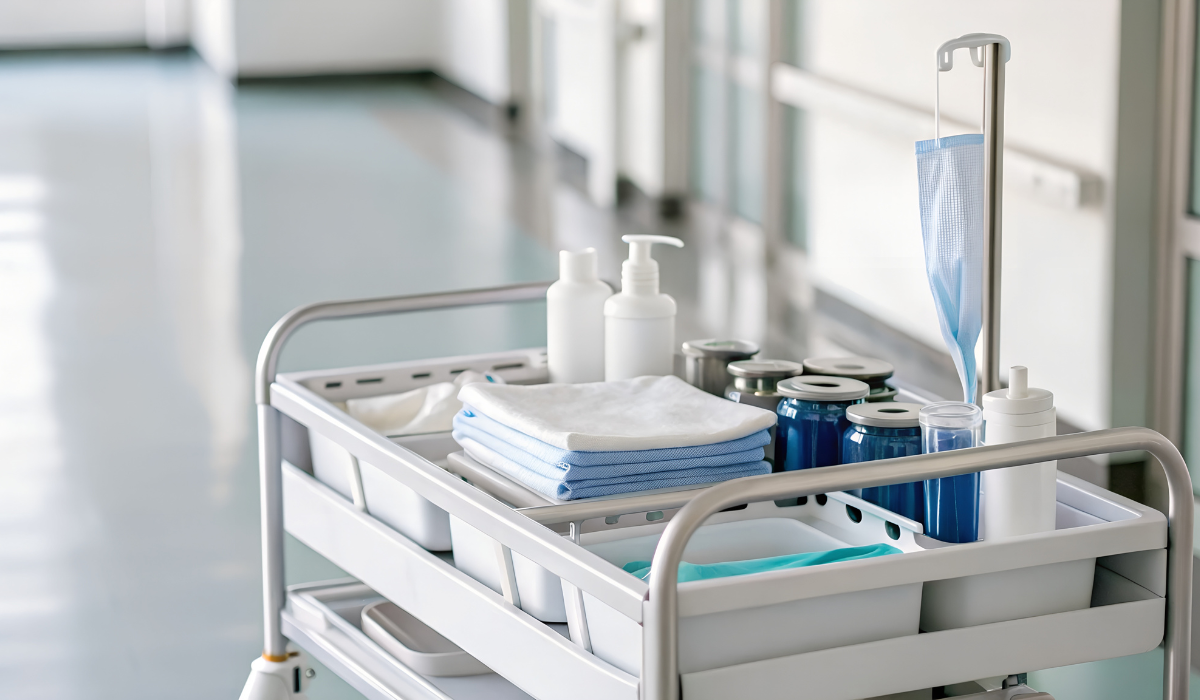
Look for features such as fully welded or seamless joints, polished and smooth
Prioritize Comfort, Safety, and Compliance
Cleanroom carts should be hassle-free. People should use them on a daily basis. Therefore, don’t just use an ergonomic design. The weight should be fine.
Look for an option that moves smoothly and handles height properly. Reliable suppliers offer carts that are risk-free and boost employee productivity.
Experts provide proper guidelines of material and confirm that the cart is easy to sanitize and handle industry requirements.
Think Long Term and Look Beyond Price
It’s tempting to choose the cost-effective option, but you’re not going to buy equipment every day.
Lower-quality carts may face inspection failure, damage faster, and contain particles. Over time, they have compliance issues, replacement needs, and downtime, and compliance issues.
While considering cleanroom transport, look for a well-built design that works longer and gives peace of mind. Also check for warranty and other offers to get the product back. You can also
Why the Right Cleanroom Cart Directly Influences Efficiency and Compliance
The right cleanroom helps you perform operations in the right way. It is also linked to daily efficiency, inspection outcomes, and compliance.
Always buy the best quality cleanroom transport carts. Otherwise, you can experience disturbed airflow, more particles, and a high risk of contamination.
Over time, these issues result in production delays, rework, and failed audits.
Whether you are planning to get ESD cleanroom carts or mobile-based options, make sure they are brilliantly designed to avoid risks as mentioned above.
A well-designed cleanroom cart also supports smooth material flow, aligns with ISO and GMP expectations, and reduces handling errors.
When carts are friendly, easy to move and clean, they allow teams to work better, give them confidence, and support their compliance standards.
Many facilities focus only on price or size. They don’t give importance to material and critical design. Another mistake they made during purchase is not having compatibility for cleanliness.
It eventually increases contamination risks and builds more residue in the future.
Another is not choosing mobile cleanroom carts, resulting in carts that are unsafe and make it difficult to control tight cleanroom spaces.
Facilities should chart that can fulfill future needs as well. When opting for modular carts that deliver long-term compliance and reliability and allow organizations to perform as workflows change or the environment needs.
Types of Cleanroom Carts
- Cleanroom transport carts are suitable for daily material and transfer tasks.
- Mobile carts are useful for high-mobility workflows
- Stainless steel carts are durable and designed to handle hygiene environments
- ESD carts are best for electronics manufacturing
- Modular cleanroom carts are ideal for changing and flexible operations
Final Thoughts
Choosing the appropriate cleanroom cart is about safety, cleanliness, compliance, and efficiency.
It is beneficial for moving items from one place to another but should be capable of handling simple to complex operations.
The right cart helps you perform your job efficiently, ensure future growth, satisfy mobility needs, and blend carefully into your cleanroom workflow.
FAQs
What are cleanroom carts utilized for?
Cleanroom carts are used to move materials, tools, and products safely within controlled environments. They are designed to support contamination, minimize particle generation and maintain cleanroom standards while boosting workflow efficiency.
Why are stainless steel carts so famous?
Stainless steel cleanroom carts are easy to clean, resistant to corrosion, and durable enough for applications like medical cleanrooms, biotech facilities, and pharmaceutical operations. They don’t trap dust and work under sanitized environments.
When should ESD cleanroom carts be considered?
ESD cleanroom carts are vital for highly sensitive components used in electronic departments and semiconductor companies. They reduce the risk of particle attraction and product damage and safely dissipate static electricity.
What is the advantage of a modular cleanroom vehicle?
Modular cleanroom carts come with adjustable accessories and shelves. They are beneficial for growing cleanroom operations and provide flexibility to adapt without changing needs.
How often should carts of controlled environments be cleaned?
Depending on the cleanroom class and usage, you can clean them twice a week, daily, or in between shifts. However, the cart should be compatible with cleaning agents. Regular cleaning ensures compliance and contamination prevention.
Are mobile cleanroom carts best for controlled environments?
Yes, they are best when they use locking casters and ensure stability when the cart is stationary. These wheels reduce particle release and vibration while allowing stability and smooth movement.
Do laboratory carts need to fulfill ISO standards?
Not all medical carts are ISO-certified, but they must support ISO cleanroom needs. They are comfortable enough to reduce particles or improper airflow. Cleanroom compatibility is another factor that you must look for when auditing.
How do I select the right cleanroom cart for my provision?
Start by knowing your cleanroom classes, material used, and workflow. Then consider ESD needs, mobility, material, and cleaning requirements. The right cart should facilitate easy operations and biddability.