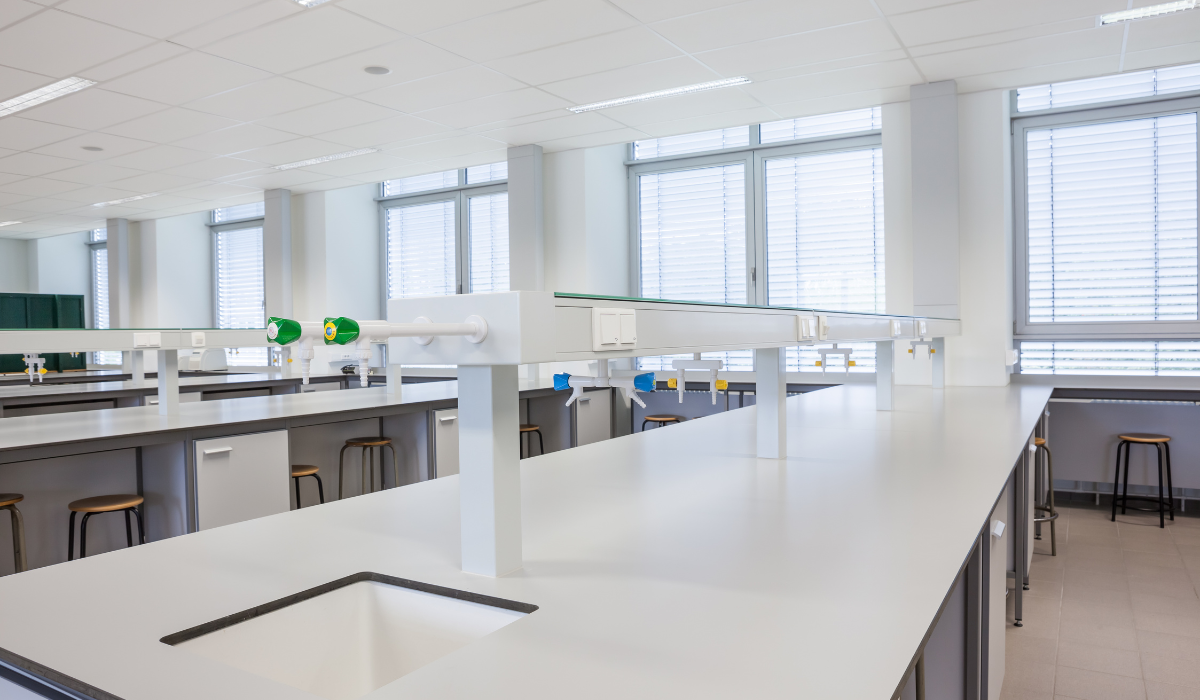
Georgia’s biotechnology industry is growing faster in 2026.
With advancements in therapeutics, biomanufacturing, pharmaceutical research, and medical devices, their operations are highly dependent on highly controlled environments.
At this point, hiring cleanroom professionals is important because they meet stringent ISO, GMP, FDA, and biosafety needs.
They have cleanroom construction knowledge and know how to maintain these environments
Relying on professional expertise matters because it supports fast-paced scientific innovation and decreases the risk of audit failures, contamination, compromised scientific outcomes, and expensive delays.
With professionals, you can even ensure your biotechnology operations run well without any compliance or safety issues.
Why Cleanroom Professionals Matter for Biotechnology Facilities in 2026
They Acknowledge the Unique Environmental Needs of Bioprocessing
Workflows in biotech include viral vectors, living cells, aseptic operations, and mRNA materials, and aseptic operations.
Specialists in this field optimize air circulation, humidity, temperature, and pressure.
This ensures that products are stable and sterile.
Workflow Layouts Support Controlled Movement of Samples, Material, and People
Professionals design pathways to protect against cross-contamination.
They do engineering to help items work smoothly, separate raw materials, and monitor traffic and waste streams. This is a key factor for GMP compliance and batch integrity.
In addition to validating air quality, experts confirm the functionality of CO2 incubators, BSCs, filling stations, and bioreactors.
They also have tools to isolate bacteria and ensure that all components are working in the right manner.
They Design Cleanrooms That Integrate Proper Contaminant Levels and Biosafety
Biotech clean rooms are usually integrated with BSL-2 and BSL-3 areas.
Cleanroom specialists design pressure cascades, contaminant boundaries, and transitions to protect both products and personnel.
Validation Covers Both Biotech Equipment and the Cleanroom
Professionals have certifications to improve air quality.
They have safety measures for biotechnological services and help ensure functions work as intended.
Documentation Supports ISO, FDA, and GMP Audit Requirements
Experts monitor environmental programs and prepare risk reports.
They indulge in validation activities, prepare compliance and equipment logs, and customize all records as per biotech production standards.
Advanced Contamination Control Safeguard High-Value Biological Work
A single contamination can delay clinical timelines and can ruin entire cell batches.
Experts deal with aseptic zoning and filtration systems and have material/surface control strategies to avoid future risks.
Predictive Maintenance Keeps Biotech Cleanrooms Implemented Without Downtime
Biotech operations work well where there is a safety method followed by experts for their environments.
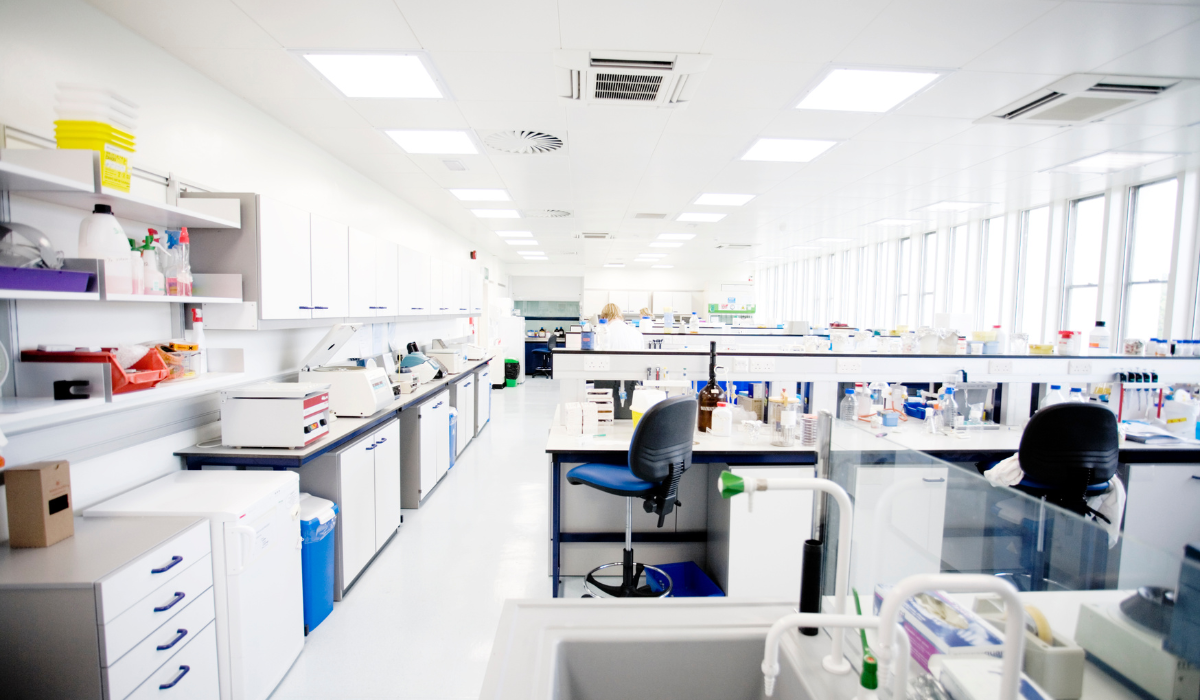
Professionals detect issues as early as possible.
Whether the microbial count is high, filters are polluted, or pressure becomes imbalanced, cleanroom contractors fix all things without interrupting production.
Modular Cleanroom Knowledge Supports Rapid Biotech Expansion Across Georgia
As the demand for biotech is growing statewise, modular systems enable companies to grow faster.
Experts can integrate modular suites seamlessly with the help of biosafety systems and prior HVAC and utilities.
Biotech Facilities Save Money by Reducing Corrective Work, Failures, and Delays
In-house attempts often lead to lost batches, rework, compliance issues, and failed validations. .
A professional approach, design thinking, and maintenance ensure safe operations with cleanrooms and focus on correctness and saving more costs to companies.
Local Cleanroom Technicians Provide Instant Support to Georgia Biotech Hubs
Quick response is essential in biotechnology. Local professionals are always ready to serve you faster.
They understand regional needs and can support companies all over Atlanta and leading life science clusters.
Role of Cleanroom Engineers and How they Determine ISO Classification
Cleanroom engineers design HVAC, airflow, pressure, pressure differentials, and filtration systems to control environments.
They understand your processes and fulfill industry needs.
They ensure that their cleanrooms meet GMP/ISO classifications and support different operations of your industry.
Their role is to evaluate project sensitivity and particulate needs.
Certified cleanroom technicians have expertise in different ISO classes from ISO 5 to ISO 8, and based on the contamination level in your industry, they suggest the right ISO class and meet other regulatory standards.
Partner With Leading Cleanroom Experts in Georgia
At Ultrapure Technology, we are leading cleanroom contractors for biotechnology companies and offer long-term maintenance services.
We have been addressing industry needs with our cleanroom engineering and design and dealing with research companies for over 30 years.
With our modular cleanroom experts’ solutions, integrating biosafety and compliance assistance, we are a committed partner to users, architects, clients, and project developers.
With our technical knowledge in cleanrooms, we help you operate processes smoothly and leverage the best technologies and tools for production, environmental monitoring, and more.
For more information, contact us our experts and get your biotech cleanroom ready for 2026 and beyond.
Conclusion
Biotechnology cleanrooms require a high level of accuracy, biosafety integration, regulatory alignment, more contamination control with routine-based cleanroom designs in Georgia.
This year, biotechnology companies are looking for more stringent standards and have compliance expectations for cleanrooms in 2026.
That’s why UltraPure Technology suggests hiring cleanroom professionals with us because we help you manage increased pressures and prepare you for smooth production.
Our experts protect your research, improve operational efficiency, minimize risk, and prepare your facility for regulatory inspection and scientific advancement.
FAQs
Do cleanroom engineers help with airflow design and HVAC?
Yes, cleanroom contractors are responsible for high-quality HVAC and airflow design. They specialize in crafting HEPA/ULPA systems and handling different pressure zones so that you can easily achieve a clean environment and circulate good air.
Can cleanroom engineers help upgrade an existing facility?
Based on the current performance of your facility, you can get options for new upgrades. This makes your zone contamination-free and offers solutions that have high-quality filters, improved airflows, and better zoning.
Do cleanroom engineers work with validation teams and contractors?
Yes, engineers have great relationships with technicians and certified teams and collaborate with architects. They focus on unique specifications and design technical drawings so that you can understand what they provide in construction and how they ensure compliance.
What is the role of a GMP cleanroom specialist?
GMP cleanrooms are required for biotech and pharmaceutical businesses because they help in obtaining sterility, product safety, compliance, and contamination control with effective strategies. A specialist with GMP standards guides you for better environments and prepares documentation and layouts to reduce batch failure. They maintain SOPs and have protocols for IQ/OQ/PQ. With their proficiency in different cleanrooms, they perform inspections and help get cleanliness with zero particle count.
Why should biotechnology sectors choose cleanroom professionals instead of managing in-house cleanrooms?
Biotechnology cleanrooms are offered with practical knowledge, strict GMP/ISO documentation, advanced engineering, and biosafety integration. In-house professionals don’t have this kind of ability to construct, validate, and handle these systems accurately. Cleanroom professionals have thorough strategies to control contamination. They make future predictions and reduce risks related to operations and compliance.
How do cleanroom professionals help biotech facilities meet FDA and GMP standards?
Professionals know the importance of environmental safety. That’s why engineers design clean rooms as per the regulatory expectations. They craft SOPs, set protocols for cleaning, and align their validation reports with EMA, FDA, and GMP standards. This ensures no issues in biotech facilities and takes care of audit readiness without disturbing production.
Why are biotech cleanrooms different from other cleanrooms?
Biotechnology cleanrooms deal with biologics, living cells, viral vectors, and sensitive materials that demand more controls and improvements. They often combine with BSL-2 or BSL-3 areas and require contamination prevention methods, specialized airflow mapping, and equipment validation. These complexities require professional design and consistent professional oversight.
How do cleanroom professionals minimize pollution risks in biotechnology environments?
Experts have managed airflow patterns, HEPA/ULPA filtration strategies, sterile zoning, and complete flow systems to handle materials and personnel. They also have the best procedures for cleaning and validation. They monitor the environment with proper scheduling and microbial sampling plans, avoiding the risk of batch loss and product contamination.
Do biotechnology sectors consider modular cleanrooms in 2026?
Yes, modular cleanrooms are superb for biotech niches. With the demand for quick production and meeting changing research needs, modular systems ensure less disruption with facilities. With HVAC, ISO standards, clean utilities, biosafety controls, and faster deployment is possible.
How often should cleanrooms in biotech be re-certified or validated?
Annual or emergency re-certification or validation is necessary for most biotech sectors. Also, if there is a need to change filters or layout, you can consult with professionals to check your particles, analyze airflow, and monitor microbes. With complete testing, you can get high-performing space and meet compliance rules.
What ongoing maintenance services do cleanroom professionals provide for biotech facilities?
Maintenance includes HEPA filter inspections, airflow rebalancing, pressure stabilization, humidity/temperature calibration, and environmental monitoring oversight. Professionals also have certifications, update logs, and corrective action plans. This routine prevents the cleanroom from performance drift and unexpected downtime.
Are cleanrooms offered across different Georgia locations?
We serve several locations, such as Atlanta, Athens, Augusta, Macon, Columbus,surrounding regions. Being a local contractor, we check your queries faster, provide maintenance services, or have equipment to support your operations throughout the year.