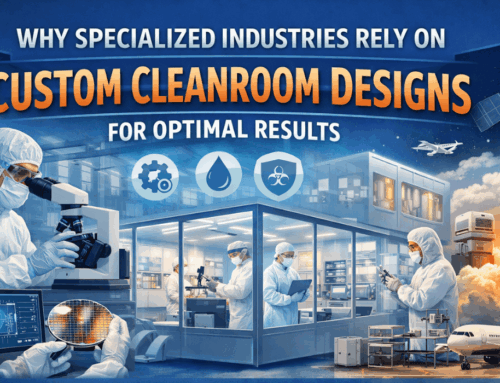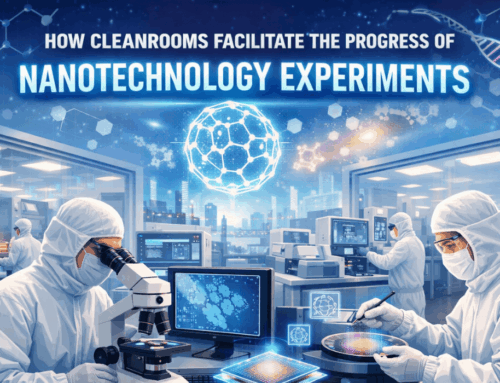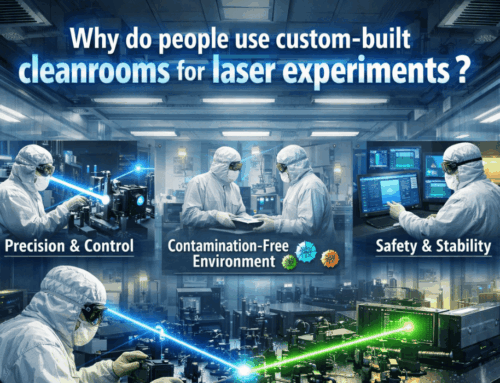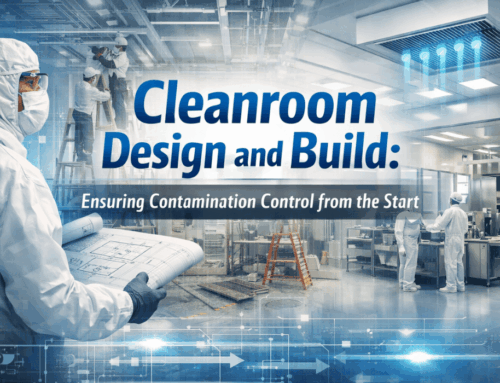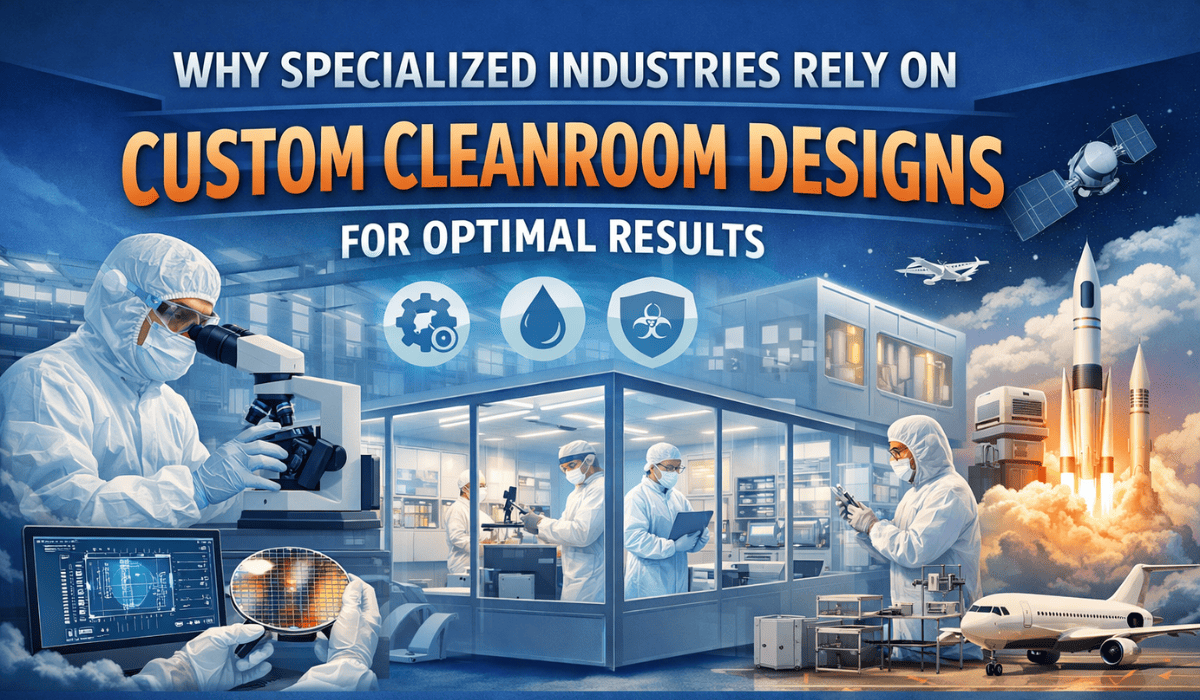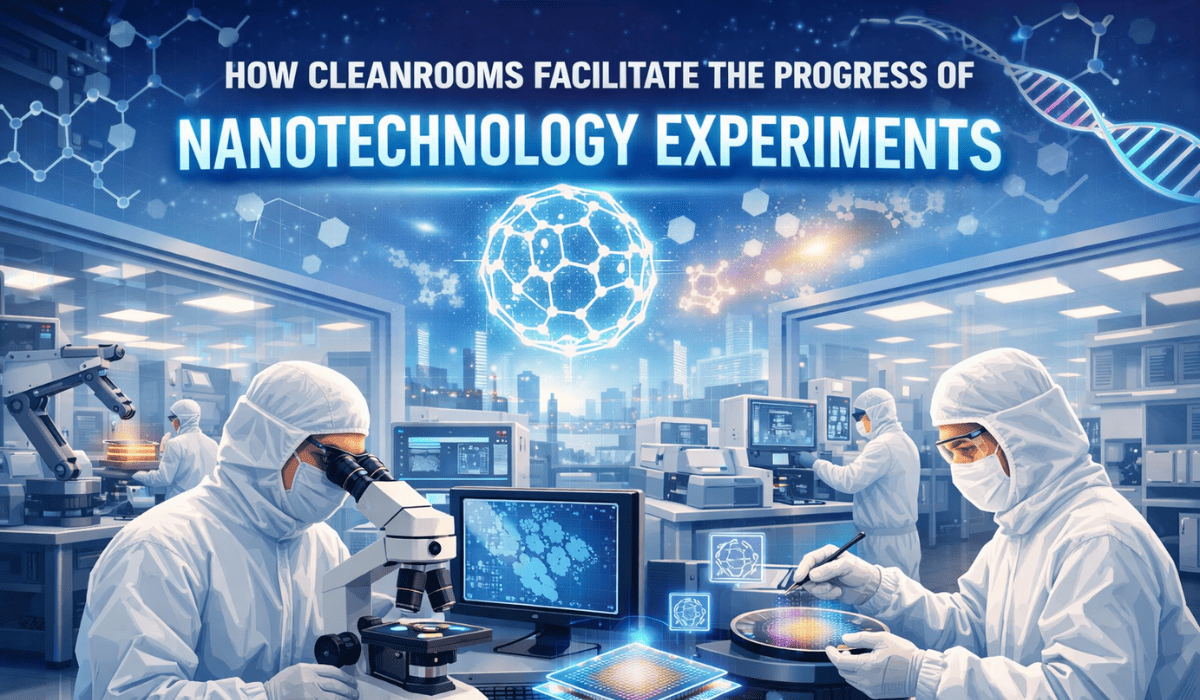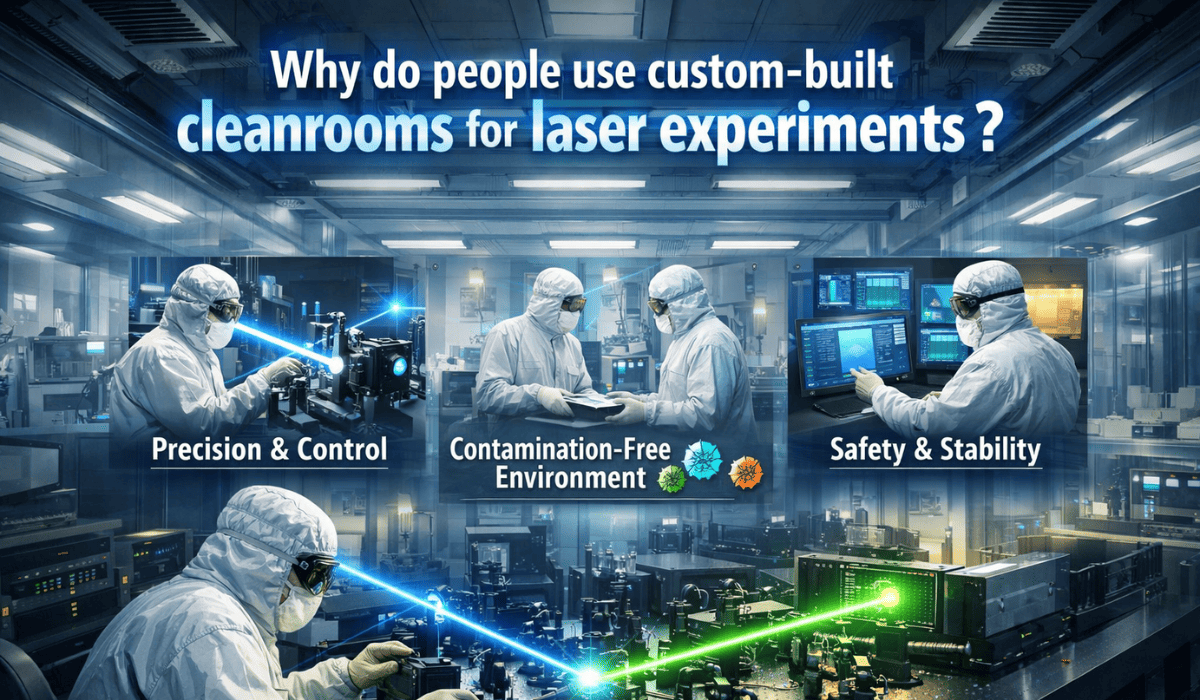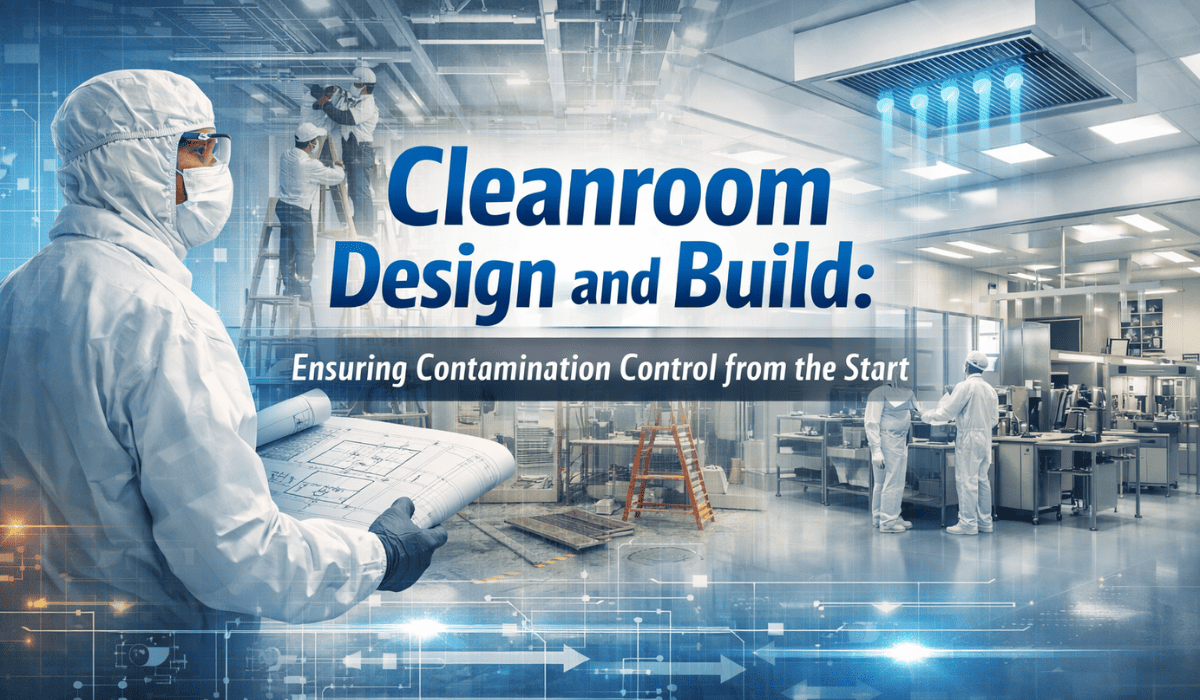
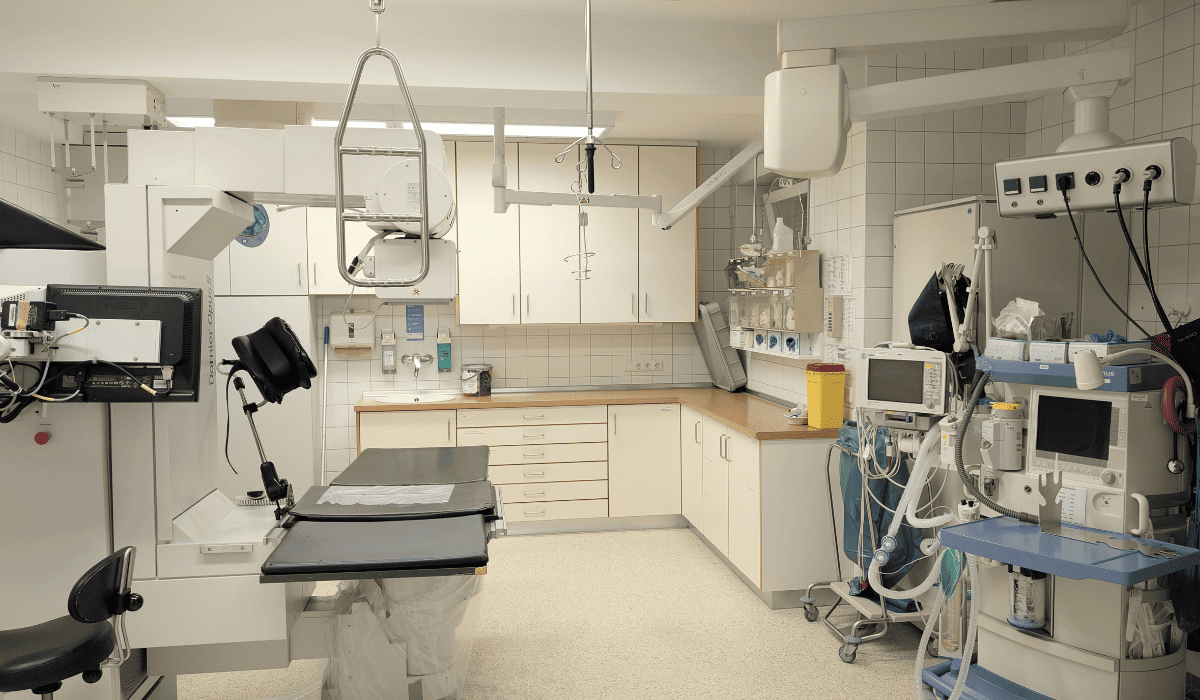
In 2026, the use of cleanrooms in companies is not restricted to biotechnology, food processing, or medical device manufacturing;
It is now crucial for 3D printing, solar panels, and many emerging technologies.
Businesses should use ultra-advanced cleanrooms because they help in efficient research, development, and manufacturing.
Clean rooms meet the needs of strict regulatory compliance, conduct testing to control contamination, and use preventive measures for seamless production.
Who doesn’t require a controlled environment?
Specialized technology is always needed to achieve the best level of purity for applications used in biological processing and semiconductor manufacturing.
These rooms use automated airflow systems, real-time monitoring, HEPA/ULPA filters, and come in various designs to control humidity, defects, and microbial contamination.
In this guide, we will help you uncover the top 10 industries that use cleanroom applications in 2026. Also, we will elaborate why controlled environments matter for industries and how they are driving growth.
Cleanroom Technology: Shaping the Future of Top 10 Industries
1. Pharmaceuticals
All over the world, pharmaceutical companies are using controlled rooms to sterilize environments that contain microbes, dust, and other particles.
Cleanrooms are essential to ensure safety of vaccines, innovations, biologics, medicines, and other healthcare products.
Medication cleanroom is a regulated environment where air moment, supply, and filtration systems are closely managed to meet cleanliness standards and government rules.
Overall, cleanrooms are important to achieve successful products and protect them from contamination, microbial growth, and chemical impurities.
How Cleanrooms Help in Pharma
- Support GMP standards, strict FDA, ISO classification, compliance, and other regulations.
- Ensure sterile conditions required for vaccine production, gene therapy, aseptic filling, sealing, and biologics.
- Improve safety and quality of R&D labs.
- Maintain integrity in medicine processes by regulating humidity, airflow patterns, and temperature levels.
- Reduce batch failure, contamination-related issues, and ensure consistency for R&D, manufacturing and packaging.
2. Life Sciences & Biotechnology
Sensitive work requires a germ-free environment.
You may know biotechnology focuses on personalized medicines, tissue engineering, DNA/RNA sequencing, gene therapies, and bioprocessing.
These major applications need a high-precision environment to control contamination strictly.
Facilities like gene therapy labs, RNA sequencing labs, stem cell culture rooms, and bioprocessing areas work with materials such as genetic material, proteins, and living cells.
These delicate biological materials can easily become polluted by dust, bacteria, or other particles.
Clean rooms help get disinfected space for tests, experiments, and production processes, giving assurance for safety, accuracy, and quality work.
3. Microelectronics & Semiconductors
Every industry demands a clean environment and semiconductor production is one of them.
A small microscopic particle can damage an entire microprocessor, integrated circuits, GPUs, microprocessors, or transistors.
Maintaining an ultra-clean environment is crucial to meet strict ISO (Class 1 to class 4) standards and support high-quality semiconductor manufacturing.
Semiconductors are the backbone of innovative electronics products. The demand for controlled environments and minimal contamination is high here.
This is why integrated device manufacturers rely heavily on advanced cleanrooms to ensure product quality and precision across critical processes, such as
- Wafer fabrication.
- Microchip construction.
- AI and ML processor manufacturing.
- Advanced packaging.
- Optoelectronics.
As artificial intelligence, robotics, EVs, and automation continue to grow, the chipmaking industry is leveraging modular cleanrooms than ever.
4. Medical Device Manufacturing
Safety is a must in medical device manufacturing. Devices used in the human body must be pollution-free and free from malfunction.
Common applications used in Medical Device
- Surgical Tools.
- Implants (dental, spinal, and hip).
- Sterile packaging lines.
- Catheters and stents.
- Diagnostic products.
With the help of cleanrooms, patients can receive safety and prevent infections. Manufacturers can meet ISO 13485 and FDA standards for long-term reliability..
5. Defense & Aerospace
Defense and Aerospace equipment can experience contamination that causes performance failure, security issues, and criticality in the department.
Cleanrooms ensure the success of space optics manufacturing, satellite assembly, rocket components, guidance systems, and defense electronics.
Aerospace components must withstand pressure changes, radiation, and extreme temperatures.
Even small particles can interfere with sensitive equipment and disinfect all the materials used in Aerospace and defense.
6. Electric Vehicle & Automotive Manufacturing
Modern vehicles are operated with chips, sensors, and lithium-ion batteries that cause toxic gases and make autonomous and electric models unsafe.
There are different automotive applications used in a controlled environment.
- EV battery cell production
- LIDAR and radar sensor assembly
- ADAS systems
- Automotive-grade electronics and PCBs
- Precision coating
7. Personal Care & Cosmetics
Cosmetics such as powdered makeup, skincare serums, gels, lotions, creams, and other personal care products require hygiene to avoid skin infections, barriers, and viruses.
Customers not just need high-quality makeup products, they are concerned about safety and positive outcomes.
Clean rooms guarantee both security and quality of beauty care products. They help gain reputation and defend users from serious illnesses.
8 Food & Beverage Processing
Personal hygiene is non-negotiable if it is a matter of purchasing ready-to-eat products, beverages, dairy items, and daily food items.
Cleanrooms for food and beverage processing ensure compliance and prevent brands from microbial contamination.
Hygiene, safety, and shelf-life control are easily handled in white rooms.
9. Hospitals & Healthcare Facilities
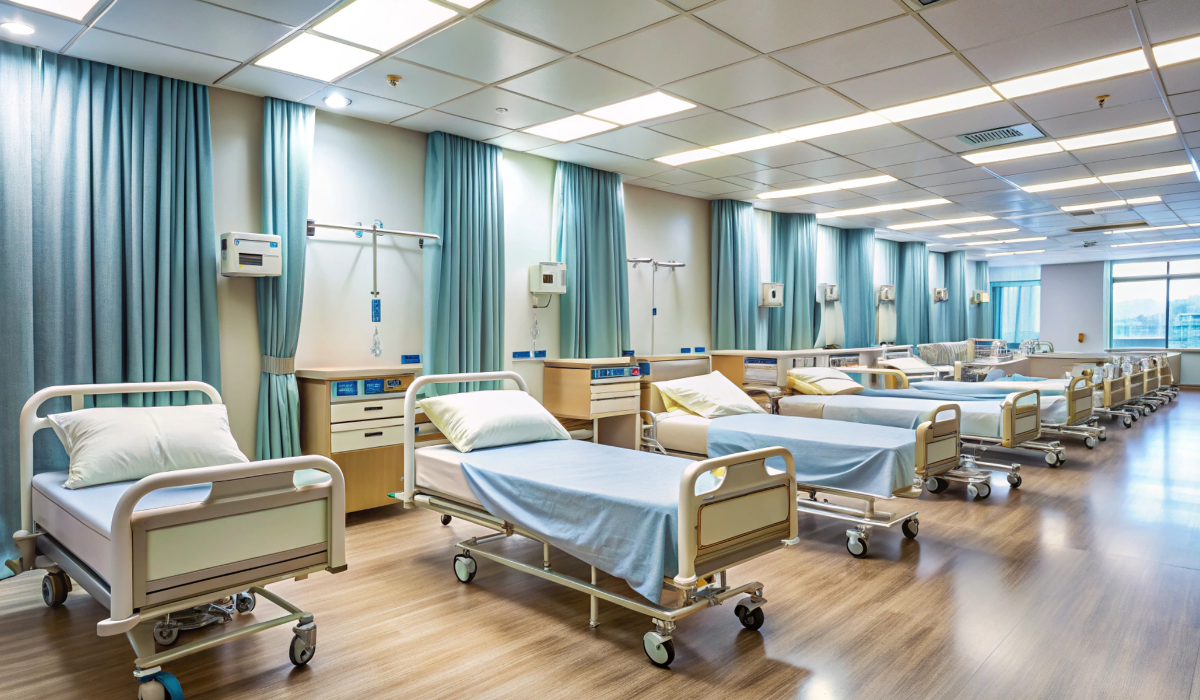
Hospitals purchase full-service clean room design and construction services to secure medicines and support advanced treatments.
Having an infection-free zone is crucial for healthcare applications, such as
- Operation theatres
- Isolation rooms
- IVF and embryology labs
- Sterile processing departments
- Compounding pharmacies
In 2026, healthcare providers will invest in controlled spaces and follow best medical procedures to minimize infections.
10. Research Labs & Universities
As technology is in the heart of universities and research labs, cleanroom solutions aim to maintain accuracy for all areas:
- Nanotechnology research
- Microbiology
- Materials science
- Chemical analysis
- Experimental physics
What are the Requirements for a Cleanroom Design?
Cleanrooms are configured and special types of rooms involve skilled specialists with items made of synthetic materials.
Cleanrooms don’t have furniture, but have germ-free lighting, accessories, and surfaces, such as nuts, bolts, and visible joints to collect dust particles or contamination.
The design of a white room, also known as a sterile room. is simple so that experts can perform their operations carefully.
Key Features of a Cleanroom
1. Advanced Air Circulation System
Clean rooms use HEPA/ULPA filters to gather microbes, dust, and airborne particles, ensuring good air circulation inside and outside of the room.
Some designs come with unidirectional airflow to enter the air from ceiling and out the air from the floor.
2. Humidity and Temperature Control
An advanced system is used for heating, airconditioning, and ventilation.
For example, HVAC systems in cleanrooms circulate air according to the requirement of temperature levels. It uses laminar flow to keep the environment particle-free..
3. Real-Time Particle Tracking
Identifies humidity, airflow, positive and negative pressure with smart controls and adjustable timers to meet stringent FDA standards and ISO regulations.
4. Soft wall, Modular Wall and Ceiling Panels
Industrial cleanrooms are available in soft wall, hardwall, and modular designs.
Clean rooms have customized surfaces and materials that ensure quick assembly, easy cleaning, and non-shedding.
5. Chemical-Resistant Flooring
Cleanroom companies use joint-free, non-porous, hygienic, and easy to clean flooring so that one can experience safety and stay away from chemicals and germs.
The purpose of using seamless flooring in smart rooms is to collect microbes faster and ensure safety of electronics products, pharmaceuticals, and bio processing.
6. Entry Protocols & cleanroom Gowning
Experts wear designer garments, such as gloves, face masks, special boots, hoods, coveralls to keep the body safe and healthy.
In a clean area, gowning is a necessity and lets specialists wear clothes in the right order.
The donning technique with a step-by-step procedure prohibits the entry of particles into a controlled space.
Classification of Clean Rooms
Cleanrooms have several classes from ISO 1 to ISO 9.
Class 1 represents the cleanest room with the highest purity.
Based on the number of particles in the air, the cleanest room contains almost no airborne particles, while the least clean room has the highest level of contamination.
Conclusion
In an era, where compliance, precision, and quality help you stay ahead of the curve, cleanrooms are indispensable in global manufacturing.
From research labs, mobile market, EV batteries and semiconductors to food and beverages, smart clean room technologies are required.
With the advent of latest innovations and trends, cleanrooms have become a revenue stream for service providers offering ultra-clean environments with air filtration technology for all industries.
FAQs
What sectors utilize clean room environments in 2026?
Pharmaceuticals, food and beverage processing, medical devices, cosmetics, semiconductors, defense and aerospace are the top industries that use cleanrooms in 2026. These sectors require strict dust control to confirm product safety and precision.
Why do pharmaceuticals need cleanrooms?
Pharmaceutical cleanrooms ensure sterile manufacturing environments for drug production, vaccines, and biologics. They prevent microbial growth and particulate contamination that can compromise drug safety and effectiveness.
What ISO class is used for semiconductor manufacturing?
Semiconductor cleanrooms typically range from ISO Class 1 to ISO Class 5 depending on the process stage. Chip fabrication is extremely sensitive, and even a tiny particle can ruin an entire wafer.
Are cleanrooms required for medical device manufacturing?
Medical device cleanrooms are mandatory for producing implants, surgical tools, stents, and diagnostic devices. Regulations like FDA guidelines and ISO 13485 demand sterile and contamination-free environments.
Are cleanrooms becoming more important in 2026?
Absolutely. New technologies, stricter regulations, growth in advanced manufacturing, and increased consumer safety expectations make cleanrooms critical for nearly all high-tech and healthcare-related industries.
What are the other industries adopting white rooms?
Other than pharma and medical devices, many emerging sectors are dependent on controlled environments, such as solar panel manufacturing, quantum computing, additive manufacturing.
What are several clean room applications across industries?
Cleanrooms are highly versatile and perform various functions. They control contamination level, disinfect production, support precision assembly, and minimize microbes. They are essential for research and development, packaging and sealing, and sensitive manufacturing.