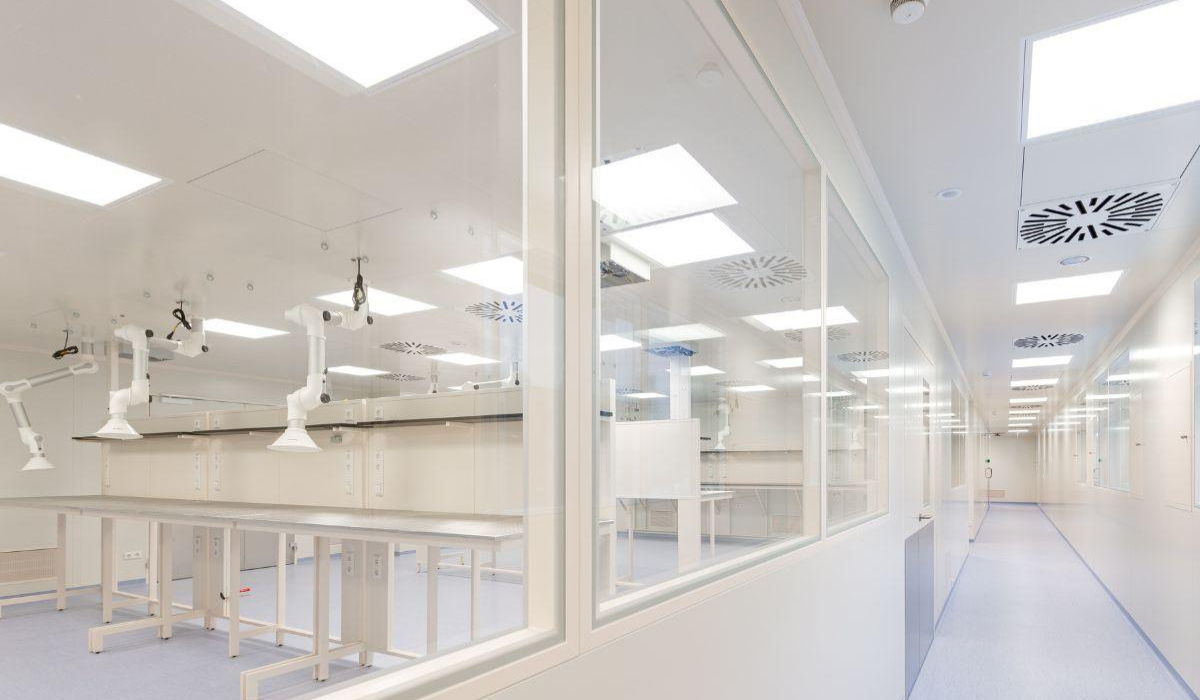
Modular cleanrooms are a popular option for businesses that need contamination control, faster installation, and flexibility for future growth.
These cleanrooms use prefabricated wall panels, ceiling systems, lighting, and structural components that can be assembled on-site.
Many industries choose modular cleanrooms because they can support a wide range of ISO classifications while reducing construction time and minimizing disruption.
Below are some of the most common questions businesses ask about modular cleanrooms.
What is a modular cleanroom?
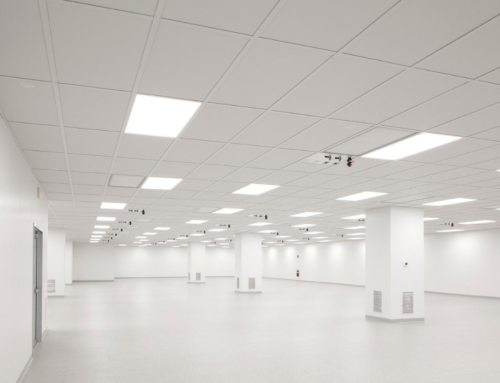
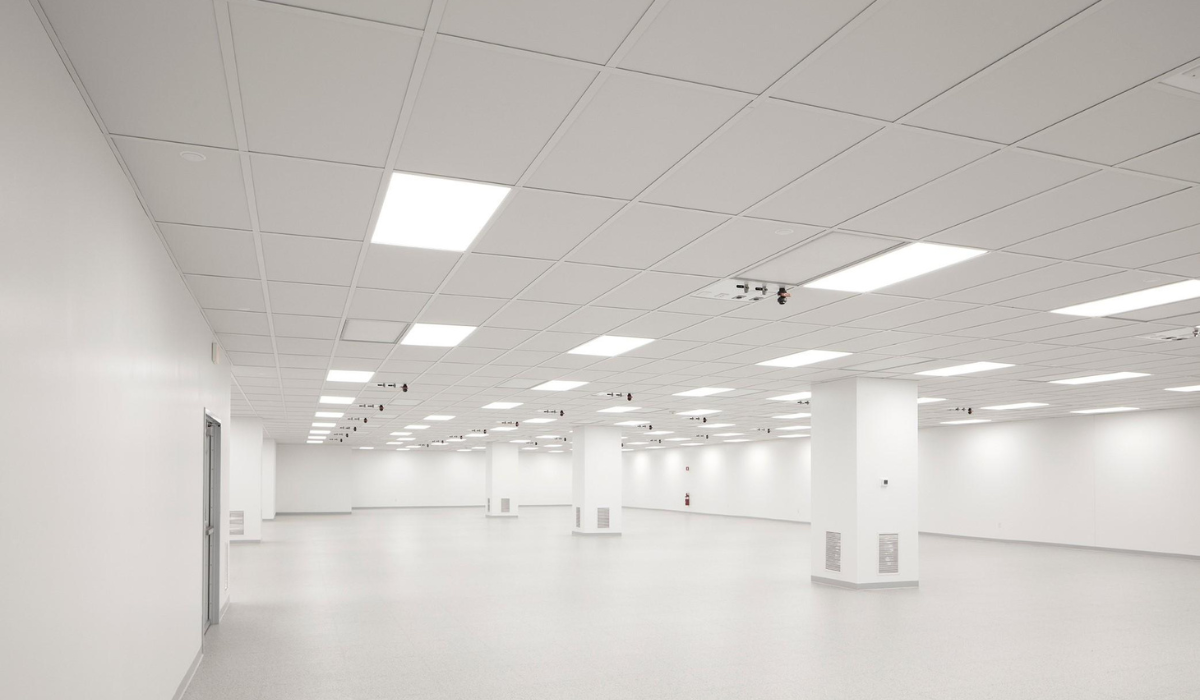
A modular cleanroom is a controlled environment built using prefabricated components such as wall panels, ceilings, doors, windows, and structural framing.
Unlike traditional cleanrooms, modular systems can often be installed more quickly and modified more easily in the future.
How long does it take to install a modular cleanroom?
Installation time depends on the size and complexity of the project.
Small modular cleanrooms may be installed in a few weeks, while larger or more specialized cleanrooms can take several months when HVAC systems, utilities, and certification are included.
Are modular cleanrooms less expensive than traditional cleanrooms?
Modular cleanrooms are often more cost-effective because they require less on-site labor and use prefabricated components.
Faster installation can also reduce downtime, labor expenses, and disruption to the facility.
What industries use modular cleanrooms?
Many industries use modular cleanrooms for contamination control and environmental stability.
Common industries include:
- Pharmaceutical manufacturing
- Medical device production
- Biotechnology
- Laboratory research
- Electronics assembly
- Aerospace
- Food processing
- Packaging operations
What ISO classifications can modular cleanrooms support?
Modular cleanrooms can be designed to support a wide range of ISO classifications depending on the application.
Many modular cleanrooms are built for ISO Class 5, ISO Class 7, or ISO Class 8 environments, although stricter classifications may also be possible with advanced filtration and HVAC systems.
Can modular cleanrooms be expanded later?
One of the biggest advantages of modular cleanrooms is their flexibility.
Wall panels, ceiling systems, and room layouts can often be reconfigured or expanded as production needs change, making modular systems a practical option for growing businesses.
What is the difference between a modular cleanroom and a softwall cleanroom?
A modular cleanroom uses rigid wall panels and structural framing for a more permanent and enclosed environment.
Softwall cleanrooms use flexible vinyl curtains and are often used for smaller spaces, temporary applications, or areas with lower contamination control requirements.
Do modular cleanrooms use HEPA filters?
Most modular cleanrooms use HEPA filtration systems to remove airborne particles and maintain cleanliness levels.
Stricter cleanrooms may also use ULPA filters when smaller particle control is required.
Can a modular cleanroom be installed inside an existing building?
Many modular cleanrooms are installed inside existing facilities rather than built as standalone structures.
The existing building may need electrical upgrades, HVAC improvements, or utility modifications to support the cleanroom.
Are modular cleanrooms permanent?
Some modular cleanrooms are designed as permanent installations, while others are built to be relocated or expanded in the future.
The level of permanence depends on the cleanroom design, facility layout, and business goals.
What factors affect the cost of a modular cleanroom?
The cost of a modular cleanroom depends on room size, ISO classification, HVAC requirements, filtration systems, utilities, lighting, doors, windows, and certification needs.
More advanced cleanrooms with stricter cleanliness requirements usually have higher construction and operating costs.
Why are modular cleanrooms popular?
Modular cleanrooms are popular because they can be installed faster than traditional cleanrooms and are easier to expand or modify later.
Their prefabricated components also help reduce disruption and improve project flexibility for businesses with changing production needs.
Do modular cleanrooms require certification?
Modular cleanrooms usually need testing and certification before they can be used.
Certification confirms that the cleanroom meets ISO standards for airflow, particle counts, room pressure, filtration, temperature, and humidity.
Regular recertification may also be needed to maintain compliance over time.
Certification can also identify airflow or filtration issues early, helping prevent contamination problems and costly operational delays.
What type of flooring is used in modular cleanrooms?
Modular cleanrooms often use epoxy, vinyl, or anti-static flooring depending on the application and cleanliness requirements.
The flooring must be durable, easy to clean, resistant to contamination, and suitable for the type of work being performed inside the cleanroom.
Can modular cleanrooms include gowning rooms and airlocks?
Many modular cleanrooms can be designed with gowning rooms, airlocks, pass-through chambers, and separate clean zones.
These added spaces help control contamination by separating clean areas from less controlled environments and managing personnel and material flow.
Can modular cleanrooms be relocated to another facility?
Some modular cleanrooms are designed to be disassembled and relocated if business needs change.
Their prefabricated wall panels, ceiling systems, and structural components make them easier to move than traditional cleanrooms.
Relocating a modular cleanroom can help businesses save money if they expand, move to a new building, or change production layouts.
The ability to relocate also makes modular systems more flexible for long-term growth.