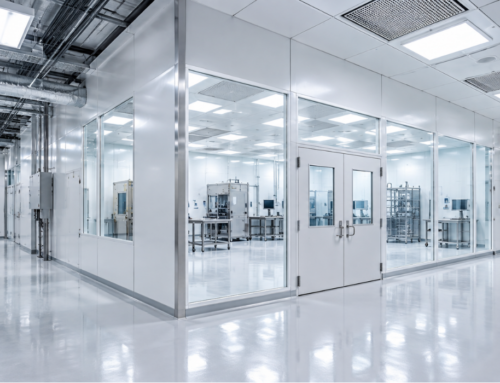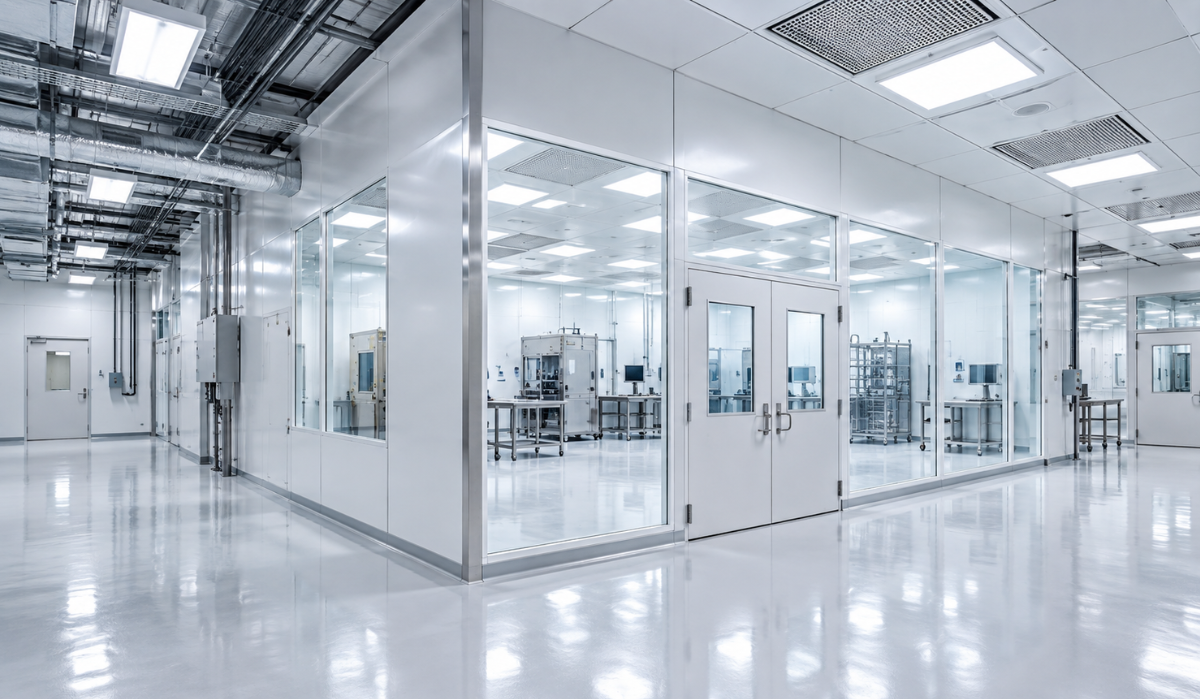
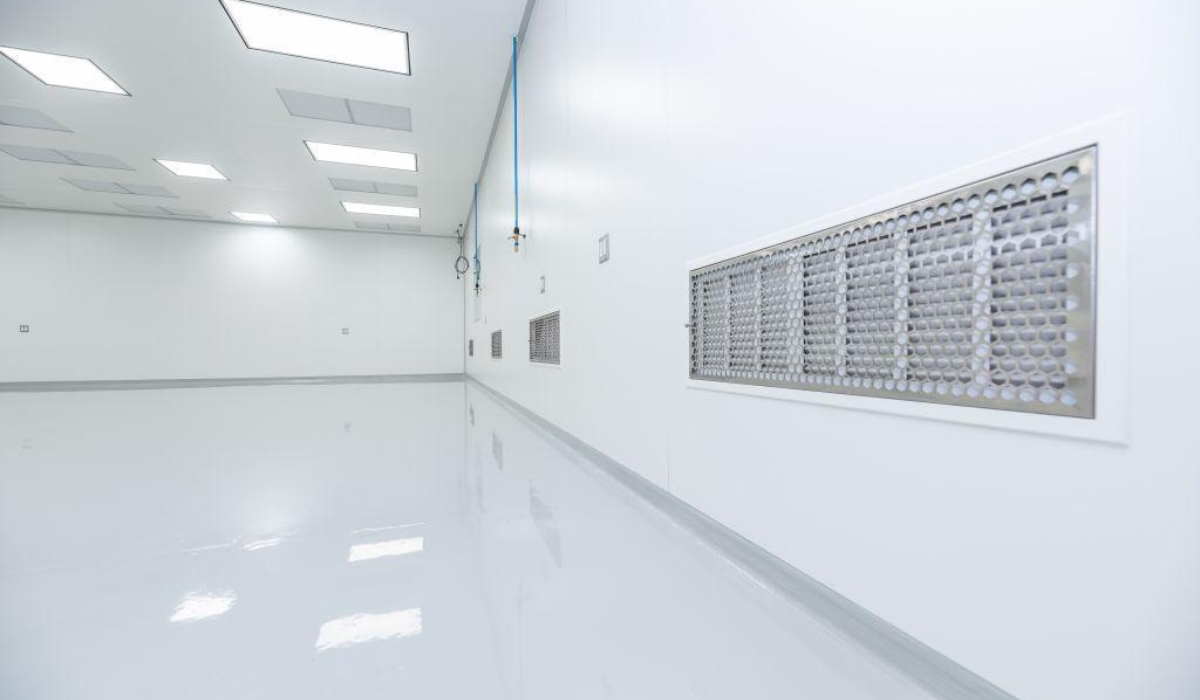
Modular cleanrooms are often chosen because they can be installed faster, expanded more easily, and adapted to changing business needs.
Before starting a project, one of the most common questions businesses ask is how much a modular cleanroom will cost.
The answer depends on several factors, including room size, ISO classification, HVAC requirements, filtration systems, utilities, finishes, and the complexity of the cleanroom layout.
Some small modular cleanrooms may cost significantly less than a larger traditional cleanroom, while larger or highly specialized modular environments can still require a major investment.
Understanding the factors that affect pricing can help businesses create a more realistic budget and choose the right modular cleanroom solution.
Average Modular Cleanroom Cost Range
Modular cleanroom pricing can vary widely depending on the size and complexity of the project.
In general:
- Small modular cleanrooms may range from $25,000 to $100,000
- Mid-sized modular cleanrooms may range from $100,000 to $500,000
- Large modular cleanrooms may exceed $500,000
- Highly specialized modular cleanrooms may cost more than $1 million
A small modular cleanroom used for laboratory work or light manufacturing will usually cost less than a large pharmaceutical cleanroom with advanced HVAC systems, HEPA filtration, gowning areas, airlocks, and multiple clean zones.
Because every project is different, cleanroom costs are usually based on the exact requirements of the facility rather than a simple cost per square foot.
What Affects Modular Cleanroom Costs?
Several factors influence the final cost of a modular cleanroom.
The most important cost drivers include:
- Room size
- ISO classification
- HVAC complexity
- Filtration requirements
- Ceiling height
- Utility needs
- Electrical systems
- Flooring type
- Doors and windows
- Lighting systems
- Gowning rooms and airlocks
- Pass-through chambers
- Environmental controls
- Testing and certification
The more complex the cleanroom design, the higher the overall cost is likely to be.
Room Size and Layout
Room size is one of the biggest factors that affects modular cleanroom pricing.
Larger cleanrooms require more wall panels, ceiling systems, flooring, lighting, HVAC equipment, filtration units, and structural framing.
The layout of the cleanroom can also affect cost. A simple rectangular cleanroom with a single room is generally more affordable than a multi-room layout with gowning spaces, corridors, airlocks, pass-through chambers, and separate work zones.
More rooms and more partitions usually increase both material costs and installation complexity.
ISO Classification Requirements
The required ISO classification has a major impact on modular cleanroom pricing.
Lower ISO class numbers require cleaner environments and more advanced contamination control systems.
For example:
- ISO Class 8 cleanrooms are usually less expensive because they require fewer air changes and less filtration
- ISO Class 7 cleanrooms often require more HEPA filtration and higher airflow rates
- ISO Class 5 cleanrooms typically require advanced airflow control, higher air change rates, and more filtration equipment
Stricter ISO classifications usually increase HVAC costs, energy use, testing requirements, and operating expenses.
Choosing the correct ISO class is important because selecting a stricter classification than necessary can significantly increase the total project cost.
HVAC and Filtration Costs
HVAC and filtration systems are often some of the most expensive parts of a modular cleanroom.
These systems control:
- Airflow
- Particle removal
- Pressure relationships
- Temperature
- Humidity
- Air changes per hour
Most modular cleanrooms use HEPA filters, while stricter environments may require ULPA filtration.
The number of filters, the size of the HVAC equipment, and the required airflow rates all affect pricing.
A cleanroom with basic HVAC requirements may cost much less than one that requires:
- High air change rates
- Multiple pressure zones
- Tight humidity control
- Redundant HVAC systems
- Specialized exhaust systems
- Temperature-sensitive controls
Because HVAC systems play such a large role in cleanroom performance, they are one of the biggest areas where costs can vary.
Utility and Equipment Requirements
Many modular cleanrooms need more than just walls and HVAC systems.
Some projects also require:
- Compressed air
- Process gases
- Purified water
- Drainage systems
- Electrical upgrades
- Data connections
- Monitoring systems
- Fire suppression systems
- Emergency backup power
These additional utilities can increase both construction and operating costs.
Cleanrooms used for pharmaceutical manufacturing, medical device production, and laboratory research often require more specialized utilities than basic assembly or packaging operations.
Material and Finish Options
The materials used inside the cleanroom can also affect cost.
Some cleanrooms may use basic wall panels and flooring, while others require specialized finishes that resist chemicals, moisture, or microbial growth.
Examples of upgraded materials include:
- Chemical-resistant wall panels
- Epoxy flooring
- Stainless steel surfaces
- Anti-static flooring
- Cleanroom-rated lighting
- Flush-mounted windows
- Specialty doors
Higher-end materials may increase upfront costs but can improve durability, simplify cleaning, and reduce maintenance over time.
Installation and Labor Costs
One advantage of modular cleanrooms is that installation is often faster than traditional cleanroom construction.
Because modular cleanrooms use prefabricated components, they usually require less on-site labor and less construction time.
This can help reduce:
- Labor costs
- Downtime
- Facility disruption
- Waste during construction
However, labor costs still vary depending on the project complexity, room size, and site conditions.
A cleanroom installed inside an existing facility may require demolition, electrical upgrades, HVAC changes, or structural modifications before the modular system can be installed.
These additional steps can increase overall costs.
Certification and Validation Costs
Most modular cleanrooms need to be tested and certified before they can be used.
Certification costs may include:
- Particle count testing
- Airflow testing
- Pressure testing
- Filter integrity testing
- Temperature and humidity testing
- Air change verification
- Documentation and reporting
The stricter the ISO classification, the more detailed the certification process may be.
Businesses should include testing and validation costs in their overall cleanroom budget to avoid surprises near the end of the project.
Ongoing Operating Costs
The cost of a modular cleanroom does not end after installation.
Businesses should also consider long-term operating costs such as:
- Energy use
- Filter replacement
- HVAC maintenance
- Certification testing
- Cleaning supplies
- Utility costs
- Environmental monitoring
Stricter cleanrooms with more air changes and more filtration usually cost more to operate.
A modular cleanroom with a higher ISO classification may have lower contamination risks, but it may also require higher energy use and more maintenance over time.
How to Budget for a Modular Cleanroom
The best way to create an accurate budget is to define the cleanroom requirements early in the planning process.
Businesses should consider:
- Room size
- ISO classification
- Production needs
- Utility requirements
- Future expansion plans
- Industry regulations
- Testing and certification requirements
Planning for future growth is important because a modular cleanroom may need to be expanded later as production needs increase.
Ultrapure Technology helps businesses evaluate modular cleanroom costs based on their facility requirements, ISO classification goals, and long-term operational plans.
Frequently Asked Questions
Are modular cleanrooms cheaper than traditional cleanrooms?
Modular cleanrooms are often more cost-effective because they use prefabricated components and require less on-site labor. Faster installation can also reduce downtime and overall project costs.
What is the biggest factor that affects modular cleanroom pricing?
ISO classification and HVAC requirements are often the biggest cost drivers because stricter cleanrooms need more filtration, more airflow, and more advanced environmental controls.
Do modular cleanrooms cost less to expand?
Modular cleanrooms are generally easier and less expensive to expand because wall panels and structural components can often be reconfigured without major demolition.
Do certification costs need to be included in the budget?
Testing and certification are important parts of the cleanroom process and should be included in the project budget. Certification costs can vary depending on the room size and ISO classification.
Can a modular cleanroom be installed inside an existing building?
Many modular cleanrooms are installed inside existing facilities, but the building may need upgrades to support HVAC systems, utilities, and structural requirements.