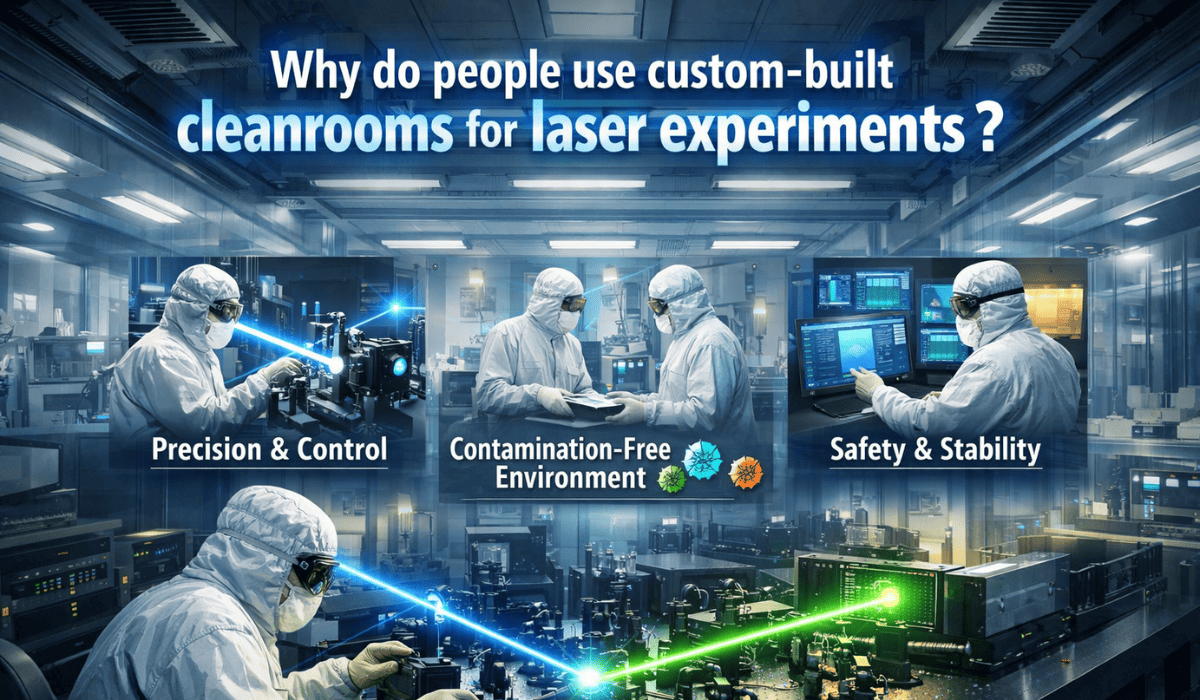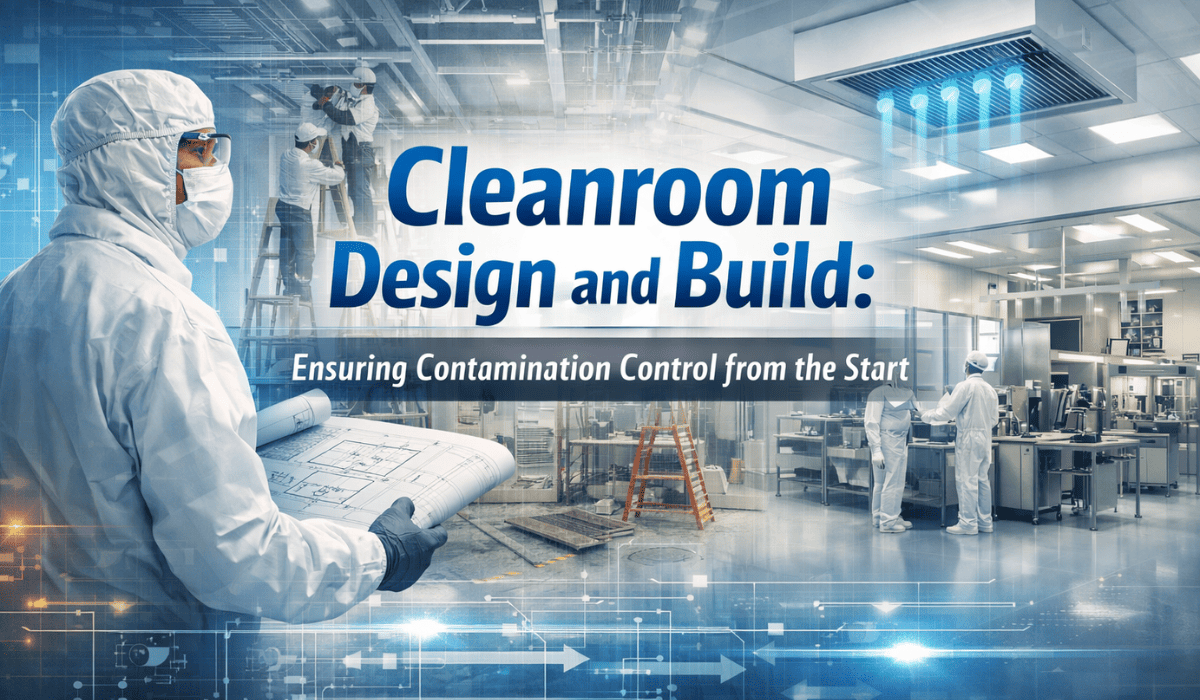
A cleanroom contractor understands that maintaining contamination control in controlled environments requires attention to every detail, including the materials used for documentation and daily operations.
Even items that seem simple, such as paper, notebooks, or labels, can introduce particles into sensitive environments if they are not specifically designed for cleanroom use.
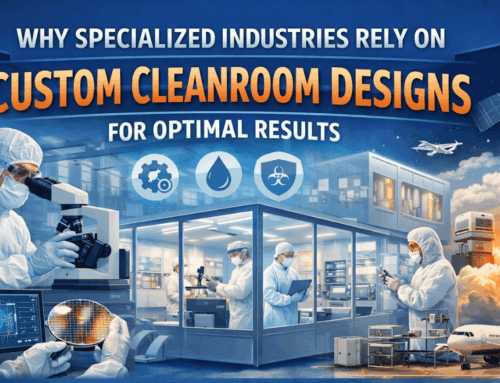
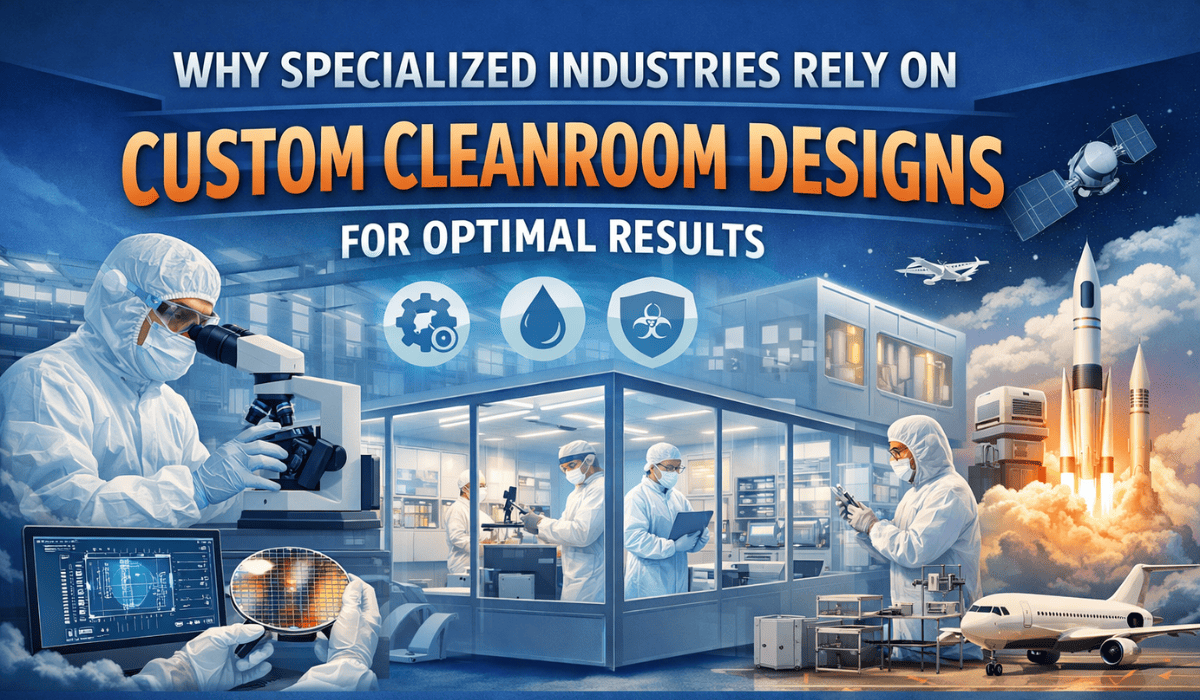
Industries that operate within controlled environments, such as pharmaceuticals, biotechnology, medical device manufacturing, and semiconductor production, rely on strict contamination prevention practices.
In these facilities, airborne particles must be tightly controlled to protect product quality and ensure regulatory compliance.
Because of these strict requirements, many cleanroom companies and cleanroom specialists recommend using cleanroom stationery designed specifically for particle-sensitive environments.
These specialized materials help maintain cleanliness standards while allowing teams to document processes, track production, and maintain regulatory records without introducing unwanted contaminants.
Understanding the role of cleanroom stationery is an important step toward maintaining efficient and compliant cleanroom operations.
Understanding Controlled Environments in Cleanroom Facilities
Controlled environments are a fundamental part of many high-precision industries where even the smallest contaminants can affect product quality or process reliability.
Cleanroom facilities are specifically designed to maintain strict environmental control, ensuring that sensitive manufacturing and research activities can take place without interference from airborne particles or other contaminants.
Clear awareness of how these environments operate helps organizations maintain consistent operations and regulatory compliance.
What Is a Cleanroom?
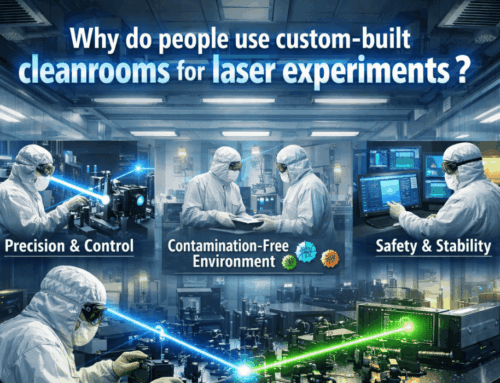
A cleanroom is a carefully controlled environment designed to limit airborne particles, temperature fluctuations, humidity levels, and other factors that could affect sensitive processes.
Cleanrooms are commonly classified according to international standards such as ISO cleanroom classifications, which measure the number of particles allowed within a defined air volume.
Facilities operating under these standards require specialized infrastructure, advanced filtration systems, and carefully managed workflows.
A cleanroom company often works closely with organizations to design and implement these controlled spaces according to operational needs.
Industries That Depend on Cleanrooms
Controlled environments are critical for several industries, including:
- Pharmaceutical manufacturing
- Biotechnology research and development
- Semiconductor production
- Aerospace component manufacturing
- Medical device production
To ensure these environments function correctly, cleanroom builders and cleanroom installers focus not only on facility design but also on the materials that enter the cleanroom.
Every component from wall panels to documentation materials must support contamination control.
What Is Cleanroom Stationery?
Cleanroom stationery refers to documentation materials designed specifically for use in particle-controlled environments.
Unlike conventional office paper, cleanroom stationery is engineered to minimize particle generation and fiber shedding.
Typical examples of cleanroom stationery include:
- Cleanroom paper
- Cleanroom notebooks
- Cleanroom documentation sheets
- Cleanroom labels
- Cleanroom binders
These products are manufactured using specialized materials and production processes that reduce the release of particles into the surrounding environment.
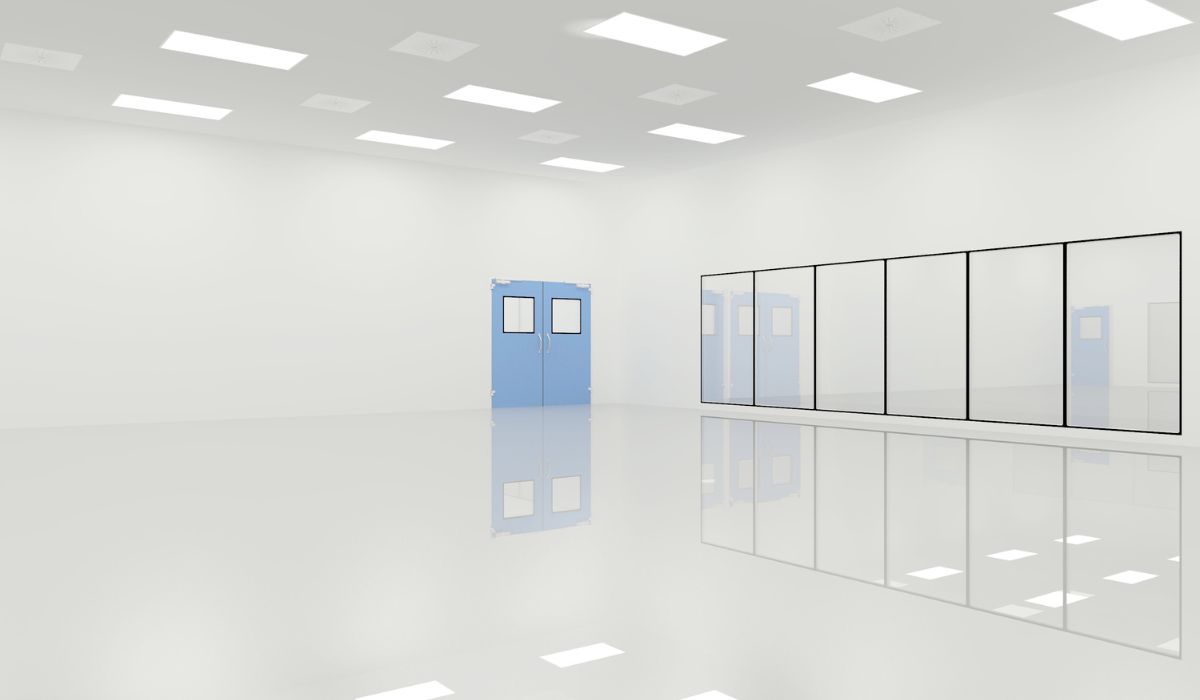
Many cleanroom companies recommend incorporating cleanroom stationery into daily operations as part of a broader contamination control strategy.
This ensures that documentation activities, such as recording test results or tracking production batches do not introduce contaminants into controlled areas.
Why Standard Office Paper Cannot Be Used in Cleanrooms
Materials used inside a cleanroom must meet strict contamination control standards.
Even everyday items such as office paper can introduce particles and static charges that compromise the controlled environment.
For this reason, cleanroom facilities rely on specialized materials designed to reduce contamination risks and maintain the strict cleanliness levels required for sensitive manufacturing processes.
Particle Shedding Risks
Standard office paper is produced using conventional pulp and fibers that can release microscopic particles into the air.
In cleanroom environments, these particles may interfere with sensitive manufacturing processes or compromise product integrity.
For example, in semiconductor manufacturing, even extremely small particles can damage microchips.
This is why cleanroom specialists emphasize the use of materials designed specifically for low-particle environments.
Electrostatic Concerns
Regular paper can generate static electricity, which attracts airborne particles.
When static charges accumulate, particles may be drawn onto sensitive surfaces, increasing contamination risks.
Cleanroom stationery is designed to minimize static buildup, reducing the likelihood of particle attraction within controlled environments.
Compliance and Documentation Standards
Many regulated industries must follow strict documentation requirements.
Introducing non-approved materials into controlled environments may violate regulatory standards.
A professional cleanroom contractor typically advises organizations to use certified cleanroom stationery to maintain compliance with operational and regulatory expectations.
Key Benefits of Using Cleanroom Stationery
Cleanroom environments require strict control over every material used inside the facility, including documentation supplies.
Cleanroom stationery is specifically designed to support contamination control while allowing teams to maintain accurate records and documentation.
Using materials built for controlled environments helps organizations protect product integrity and maintain operational consistency.
Reduced Particle Contamination
One of the primary advantages of cleanroom stationery is its ability to minimize particle generation.
Specialized materials and manufacturing processes reduce fiber shedding and airborne contamination.
This helps maintain the strict cleanliness levels required in controlled environments.
Improved Regulatory Compliance
Industries operating in cleanrooms must follow various regulatory standards, including:
- ISO cleanroom classifications
- Good Manufacturing Practices (GMP)
- Industry-specific compliance regulations
Using approved materials supports these standards and demonstrates a commitment to contamination control.
Reliable Documentation
Accurate documentation is essential in regulated environments.
Cleanroom stationery allows teams to record operational data without introducing contaminants that could affect product safety or process reliability.
Compatibility With Cleanroom Protocols
Cleanroom stationery is designed to withstand cleaning agents, disinfectants, and sterilization procedures often used in controlled environments.
Many cleanroom builders and cleanroom installers recommend integrating these materials during facility planning to support safe and efficient operations.
The Role of Cleanroom Contractors in Contamination Control
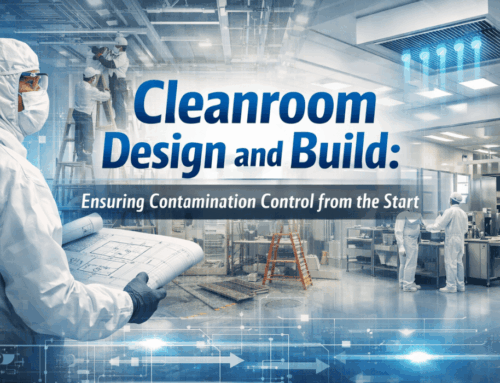
Maintaining contamination control in cleanroom environments requires careful planning, specialized facility design, and strict operational procedures.
Cleanroom contractors play an important role in helping organizations create controlled environments that reduce contamination risks.
Their expertise ensures that both infrastructure and operational practices work together to maintain the cleanliness standards required for sensitive manufacturing processes.
Designing Facilities That Minimize Contamination
A professional cleanroom contractor plays a key role in designing facilities that support contamination control.
This includes managing airflow patterns, filtration systems, and environmental monitoring.
However, infrastructure alone cannot guarantee a contamination-free environment.
Operational materials, including documentation supplies must also meet strict standards.
Recommending Approved Operational Materials
In addition to facility design, cleanroom specialists often advise organizations on selecting appropriate materials for daily operations. These materials may include:
- Cleanroom garments
- Cleanroom wipes
- Cleanroom furniture
- Cleanroom stationery
By recommending certified materials, cleanroom companies help organizations maintain operational integrity while protecting sensitive manufacturing processes.
How Cleanroom Companies Integrate Stationery Into Operational Protocols
Cleanroom operations rely on detailed documentation for quality control, process tracking, and regulatory compliance.
To maintain consistency, cleanroom companies often establish standard operating procedures (SOPs) that define approved materials and processes.
These procedures may include guidelines for:
- Using approved cleanroom paper
- Maintaining contamination-safe documentation processes
- Storing stationery materials properly
- Handling documentation within controlled environments
Through these protocols, cleanroom specialists ensure that documentation activities support contamination control rather than compromise it.
Features That Define High-Quality Cleanroom Stationery
Not all cleanroom stationery products are created equally. High-quality materials typically include several important characteristics.
Low Particle Generation
Specialized manufacturing processes reduce fiber release and particle generation.
Chemical Resistance
Cleanroom stationery is often designed to resist common disinfectants used during routine sanitation procedures.
Static Control
Static-safe materials help reduce electrostatic charges that attract particles.
Compatibility With Cleanroom Printers
Some cleanroom environments use printers and labeling systems designed specifically for controlled environments.
Cleanroom stationery supports these technologies without compromising contamination control.
Cleanroom installers and cleanroom builders often coordinate with facility managers to ensure that operational materials align with the requirements of the cleanroom design.
Best Practices for Using Cleanroom Stationery
Even with specialized materials, proper handling is essential for maintaining contamination control.
Best practices typically include:
- Storing cleanroom stationery in sealed packaging
- Introducing materials into controlled areas using approved procedures
- Using cleanroom-compatible pens or markers
- Disposing of materials according to contamination control protocols
Training employees on these practices helps maintain consistent operations.
A knowledgeable cleanroom contractor at UltraPure Technology provide guidance and training resources to ensure staff understand the correct procedures for handling materials in controlled environments.
Why Cleanroom Stationery Supports Long-Term Facility Performance
Cleanroom environments operate under strict standards designed to protect sensitive processes.
Even small contamination sources can disrupt production or compromise product quality.
Using approved cleanroom stationery helps organizations:
- Maintain consistent contamination control
- Protect sensitive manufacturing processes
- Improve operational reliability
- Support regulatory compliance
By addressing every potential contamination source, including documentation materials, cleanroom companies help facilities maintain long-term performance and stability.
Supporting Cleanroom Performance With the Right Materials
Controlled environments require careful planning, specialized infrastructure, and strict contamination control practices.
While equipment and facility design often receive the most attention, operational materials such as documentation supplies also play an important role.
Experienced cleanroom builders, installers, or specialists recognize that contamination control must extend to every aspect of cleanroom operations.
Cleanroom stationery provides a practical solution for maintaining documentation while protecting sensitive environments.
Organizations that partner with knowledgeable cleanroom professionals gain the advantage of proven systems, carefully selected materials, and operational strategies designed to support compliance and efficiency.
Why Work With Experienced Cleanroom Specialists at Ultra Pure Technology
Designing and maintaining controlled environments requires expertise across multiple disciplines, including facility design, contamination control, and operational materials.
At UltraPure Technology, our team of experienced cleanroom professionals works with organizations across industries to design and support high-performance cleanroom environments.
As trusted cleanroom builders and cleanroom installers, we help businesses implement solutions that support contamination control, operational efficiency, and regulatory compliance.
If your organization is planning a cleanroom project or upgrading an existing facility, our team can help guide the process and recommend materials that support long-term cleanroom performance.
FAQs
What is cleanroom stationery and why is it important?
Cleanroom stationery refers to specialized documentation materials designed for use in controlled environments. These products are manufactured to minimize particle shedding and contamination risks. Using cleanroom stationery helps maintain strict cleanliness standards while allowing teams to record important operational data without compromising the cleanroom environment.
Can regular paper be used inside a cleanroom?
Standard office paper is generally not suitable for controlled environments because it releases fibers and particles into the air. These particles can interfere with sensitive manufacturing processes. Cleanroom specialists recommend using certified cleanroom stationery to reduce contamination risks and maintain compliance with cleanroom standards.
Who determines what materials can be used in a cleanroom?
A qualified cleanroom contractor or cleanroom company typically provides guidance on approved materials for controlled environments. These professionals evaluate operational needs and regulatory requirements to ensure that every component entering the cleanroom meets contamination control standards.
What industries commonly use cleanroom stationery?
Industries such as pharmaceuticals, biotechnology, medical device manufacturing, semiconductor production, and aerospace engineering frequently use cleanroom stationery. These industries rely on strict contamination control and accurate documentation to maintain product quality and regulatory compliance.
How does cleanroom stationery reduce contamination?
Cleanroom stationery is manufactured using specialized materials that minimize particle release and static buildup. These features help prevent airborne contamination and protect sensitive manufacturing processes within controlled environments.
Do cleanroom builders recommend specific operational materials?
Yes, many cleanroom builders and cleanroom installers provide guidance on operational materials during facility planning. This may include recommendations for cleanroom garments, wipes, furniture, and documentation supplies such as cleanroom stationery.
How should cleanroom stationery be stored?
Cleanroom stationery should typically be stored in sealed packaging and introduced into controlled environments using approved procedures. Proper storage helps prevent contamination before the materials are used inside the cleanroom.
Can cleanroom stationery be used with disinfectants?
Many cleanroom stationery products are designed to resist common disinfectants used during routine sanitation procedures. This allows documentation materials to remain usable even after exposure to cleaning agents used in controlled environments.
Why do cleanroom companies emphasize documentation systems?
Documentation plays a critical role in regulated industries. Cleanroom companies emphasize structured documentation systems to ensure traceability, quality control, and regulatory compliance while maintaining contamination control standards.