
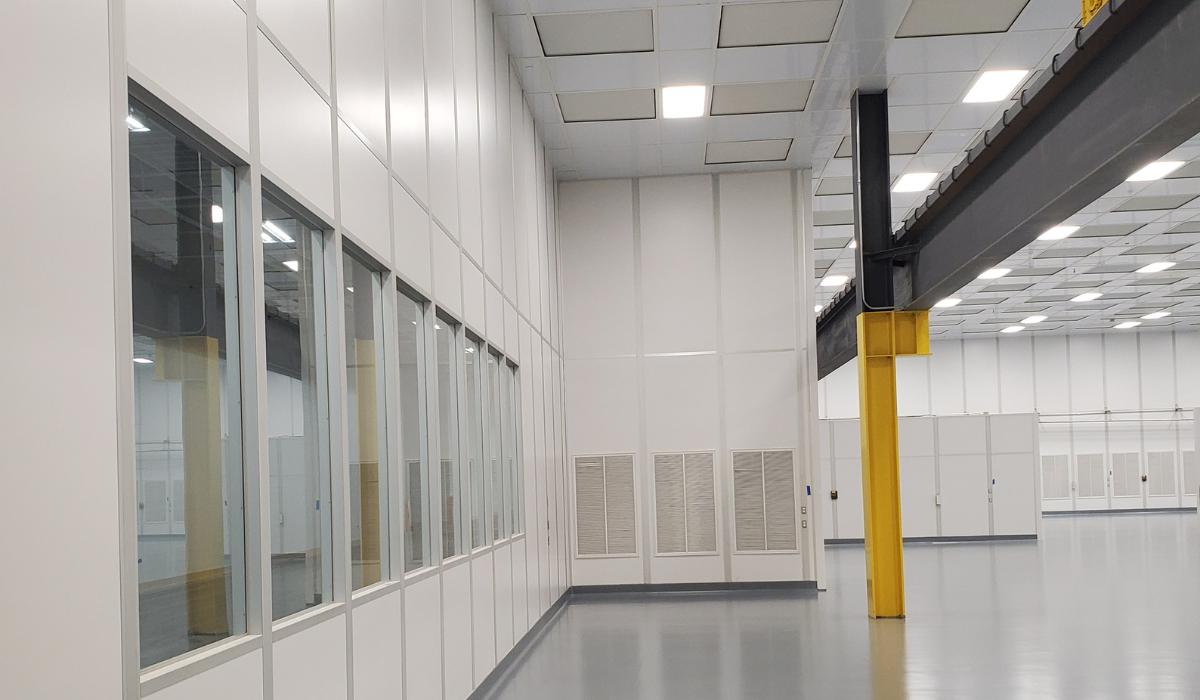
In aerospace manufacturing, maintaining strict cleanliness standards is essential for ensuring product quality and safety.
Aerospace cleanroom requirements are crucial for industries that produce sensitive components like engines, electronics, and systems for aircraft and spacecraft.
Meeting these requirements ensures high-quality, contamination-free environments that adhere to ISO standards for aerospace cleanrooms and aerospace cleanroom design specifications.
What Is a Cleanroom?
A cleanroom is a controlled environment where pollutants such as dust, airborne microbes, and chemical vapors are minimized.
These conditions are essential for industries like aerospace, where even the smallest particle can impact the functionality of delicate components.
Cleanroom technology for aerospace is designed to maintain optimal air quality, temperature, and humidity, ensuring contamination control and regulatory compliance.
Key Features of Aerospace Cleanrooms
Airflow Control
Ensuring the air in aerospace cleanrooms remains free from contaminants.
Temperature and Humidity Control
Maintaining consistent conditions to avoid product degradation.
ISO Standards Compliance
Cleanrooms must meet ISO 14644 standards to maintain air purity.
Aerospace Cleanroom Design and Requirements
Aerospace cleanroom design requires careful planning to meet the specific needs of high-precision industries.
These cleanrooms must adhere to strict standards for contamination control, airflow, temperature regulation, and particle concentration.
The design must accommodate the high demands of aerospace component manufacturing while meeting ISO standards for aerospace cleanrooms.
Design Considerations for Aerospace Cleanrooms
Modular Cleanroom Systems
These systems are customizable and scalable, allowing for quick installations and easy expansions.
Modular cleanrooms for pharmaceuticals are a popular choice due to their flexibility in meeting industry-specific needs.
Air Filtration
Cleanrooms in aerospace require high-efficiency HEPA filters or ULPA filters to prevent contamination.
These filtration systems are integral to maintaining particle-free environments.
Controlled Environment
Proper temperature and humidity control are essential to ensure sensitive components do not degrade during manufacturing.
Contamination Control in Aerospace Cleanrooms
In aerospace cleanrooms, even microscopic contamination can cause serious defects.
Effective contamination control is vital for maintaining the integrity of aerospace parts.
Systems designed to prevent contaminants, including proper airflow, gowning procedures, and cleanroom air filtration, are crucial for preventing contamination during production.
Common Sources of Contamination
Personnel
Humans are a significant source of contamination, so proper gowning procedures are enforced in aerospace cleanrooms.
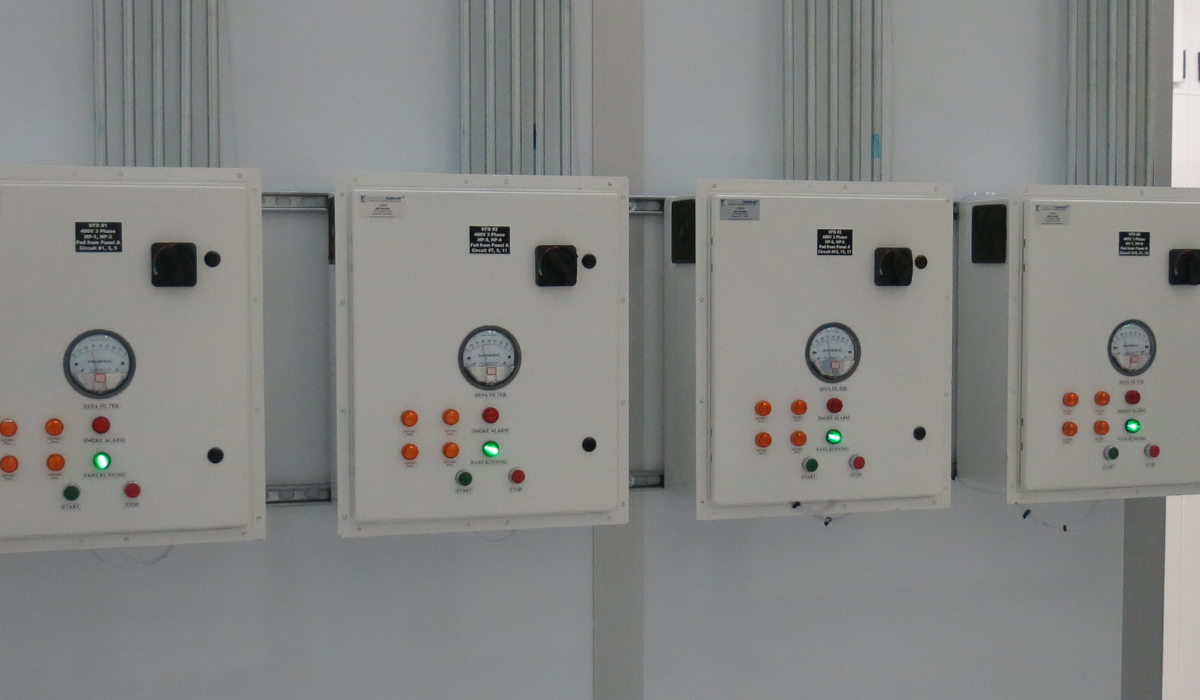
Tools and Equipment
Regular cleaning and sterilization of tools ensure they don’t contribute to contamination.
Materials
Incoming materials are also screened and cleaned to prevent contamination during assembly.
Aerospace Cleanroom Compliance and Certification
Aerospace cleanrooms must comply with a variety of regulations to maintain industry standards.
Cleanroom certification for aerospace ensures that these facilities meet the necessary air quality and contamination control guidelines.
This certification is critical for companies to meet legal requirements and ensure the quality of their products.
ISO and Regulatory Standards for Aerospace Cleanrooms
ISO 14644-1
Specifies the cleanroom classification based on the number of particles in the air.
GMP (Good Manufacturing Practices)
Adherence to these standards is essential for industries such as healthcare cleanroom construction and aerospace cleanrooms for pharmaceuticals.
FAA Regulations
In aerospace, FAA regulations govern the manufacturing and testing of aircraft parts.
Cleanroom environments must meet these regulations for contamination-free production.
Testing and Monitoring Aerospace Cleanrooms
To maintain compliance, aerospace cleanrooms must undergo rigorous testing and monitoring.
These procedures ensure that the cleanroom environment meets the necessary cleanliness standards and is functioning as required.
Types of Cleanroom Testing
Airborne Particle Testing
Measures the concentration of particles in the air, ensuring it meets the ISO cleanroom classification.
Surface Cleanliness
Regular testing of surfaces ensures there is no accumulation of contaminants.
Microbial Testing
Ensures that the environment is free of microorganisms that can affect aerospace components.
Benefits of Modular Aerospace Cleanrooms
Modular cleanrooms are increasingly used in aerospace manufacturing due to their many advantages.
These systems are ideal for facilities that need flexible, scalable, and cost-effective cleanroom solutions.
Whether for aerospace cleanroom HVAC systems or air filtration, modular systems provide the flexibility required in high-precision manufacturing.
Advantages of Modular Aerospace Cleanrooms
Customization
Modular systems can be designed to meet specific aerospace cleanroom requirements, ensuring a tailored fit for various production needs.
Quick Installation
Modular cleanrooms can be assembled quickly, reducing downtime and allowing for faster production.
Cost-Effective
Compared to traditional construction, modular cleanrooms are more affordable due to their faster installation and reduced labor costs.
Future Trends in Aerospace Cleanrooms
The future of aerospace cleanrooms is poised for significant evolution, driven by technological innovations and growing demands for sustainable, efficient, and high-performance manufacturing environments.
As aerospace manufacturing becomes more advanced, cleanrooms will evolve to meet the need for precision, contamination control, and regulatory compliance.
Emerging trends like automation, artificial intelligence (AI), and advanced air filtration will redefine the way aerospace cleanrooms operate, offering enhanced efficiency and environmental sustainability.
Emerging Technologies in Aerospace Cleanrooms
The aerospace industry is under constant pressure to improve operational efficiency and reduce costs, all while adhering to increasingly stringent quality standards.
Cleanrooms play a critical role in meeting these requirements, and as technology advances, so too will the systems that support cleanroom operations.
AI and Automation in Aerospace Cleanrooms
One of the most exciting advancements in aerospace cleanroom technology is the integration of artificial intelligence (AI) and automation.
As the demand for higher efficiency and fewer human errors increases, AI-powered systems are becoming a critical part of cleanroom operations.
Automation will transform the way aerospace cleanrooms monitor air quality, detect contamination, and manage environmental conditions in real-time.
Benefits of AI and Automation:
Real-Time Contamination Detection
AI-driven systems will allow for the detection of contaminants in real-time, offering immediate feedback to operators and ensuring that production continues smoothly without delay.
These systems will be able to recognize even the smallest deviations from cleanliness standards and trigger automatic corrective actions.
Predictive Maintenance
AI can predict when cleanroom equipment, like air filtration systems, will require maintenance, reducing downtime and optimizing resource usage.
This will ensure continuous, uninterrupted cleanroom operations, enhancing the efficiency of aerospace manufacturing.
Smart Monitoring
Automated monitoring systems will allow for continuous tracking of key metrics such as temperature, humidity, and particulate levels.
These systems will adjust the cleanroom environment dynamically to meet required specifications, minimizing the need for manual intervention and reducing the likelihood of human error.
The combination of AI and automation will make aerospace cleanrooms more responsive, adaptable, and efficient, improving both productivity and the quality of manufactured parts.
Advanced Air Filtration Systems
As the aerospace industry evolves, the need for advanced air filtration systems in cleanrooms will become more pronounced.
Air quality is a key factor in ensuring that aerospace components are produced in a contamination-free environment.
Today, aerospace cleanrooms often use HEPA (High-Efficiency Particulate Air) and ULPA (Ultra-Low Penetration Air) filters to maintain clean air, but the future promises even more sophisticated air filtration technologies.
Future Trends in Air Filtration:
Energy-Efficient Filters
In the future, aerospace cleanrooms will likely adopt more energy-efficient filtration systems.
These advanced systems will provide the same level of cleanliness while reducing the energy consumption of the HVAC systems, making cleanrooms more sustainable and cost-effective.
Lower energy consumption also contributes to reduced operational costs, which is essential for aerospace manufacturers looking to maintain profitability.
Self-Cleaning Filters
Self-cleaning filtration systems will become more prevalent, reducing the need for frequent filter changes and minimizing downtime.
These systems will improve the sustainability of aerospace cleanrooms by decreasing maintenance costs and extending the lifespan of air filtration equipment.
Advanced Particle Capture Technology
The introduction of next-generation filtration technology will allow cleanrooms to capture even smaller particles more efficiently.
This will ensure that aerospace components are manufactured with the highest level of precision and cleanliness, meeting increasingly stringent industry standards for air purity.
Sustainable Modular Construction
Sustainability is becoming a significant focus in the construction and operation of aerospace cleanrooms.
As the aerospace industry looks to reduce its environmental footprint, modular cleanroom construction is gaining traction as a more sustainable alternative to traditional building methods.
Modular cleanrooms are pre-fabricated off-site and then assembled on-site, offering several key environmental benefits.
Benefits of Sustainable Modular Construction:
Reduced Waste
Traditional construction generates a significant amount of waste, but modular construction reduces waste through precise off-site fabrication.
This makes modular cleanrooms a more sustainable solution for aerospace manufacturing.
Energy Efficiency
Modular cleanroom systems are often designed to be more energy-efficient, incorporating advanced HVAC systems, insulation materials, and sustainable building practices to lower energy consumption.
This reduces the carbon footprint of aerospace cleanrooms and contributes to the industry’s sustainability goals.
Adaptability
Modular systems can be easily expanded, relocated, or modified as operational needs evolve.
This flexibility reduces the need for major renovations or the construction of new cleanrooms, which helps save resources and minimizes environmental impact.
As cleanroom technology continues to advance, aerospace manufacturers will increasingly turn to sustainable modular construction practices to reduce waste, optimize energy use, and build facilities that align with green building standards.
Future Outlook for Aerospace Cleanrooms
As we look to the future, the role of cleanroom technology for aerospace will only become more integral to maintaining the highest standards of quality in manufacturing.
Innovations in AI, automation, air filtration, and modular construction will continue to drive improvements in the way aerospace cleanrooms operate, improving performance while reducing costs and environmental impact.
The next-generation aerospace cleanrooms will be highly automated, energy-efficient, and adaptable, ensuring that the components produced meet the stringent quality standards required for aerospace applications.
These advancements will not only make aerospace manufacturing more efficient but will also help meet sustainability targets and regulatory requirements that are increasingly becoming the norm in the industry.
Conclusion: Embracing the Future of Aerospace Cleanrooms
The future of aerospace cleanrooms is one of continuous innovation.
With the integration of AI, automation, and advanced air filtration systems, aerospace manufacturers will be able to meet the growing demands of precision and cleanliness with greater efficiency and sustainability.
The modular construction approach offers flexibility and cost savings, making it an ideal solution for the dynamic needs of aerospace manufacturing.
As the industry embraces these advancements, the role of cleanrooms will become even more critical in ensuring the production of high-quality, contamination-free aerospace components.
The future of aerospace cleanrooms is not just about keeping up with technological progress but also about leading the way in sustainability, energy efficiency, and operational excellence.
The Importance of Meeting Aerospace Cleanroom Requirements
Are you ready to upgrade your aerospace facility with a modular cleanroom system?
Our team specializes in aerospace cleanroom design, certification, and compliance, providing the perfect solutions for your production needs.
Contact us today to discuss how we can help you create an aerospace cleanroom environment that meets the highest standards of quality, efficiency, and compliance.
Frequently Asked Questions
What are aerospace cleanrooms used for?
Aerospace cleanrooms are specialized environments designed to manufacture components for aircraft, spacecraft, and other aerospace systems. They ensure that contamination is minimized during production, which is critical for the functionality and safety of aerospace parts like electronics, engines, and fuel systems.
How do aerospace cleanrooms differ from other cleanrooms?
Aerospace cleanrooms are more stringent in their contamination control due to the sensitive nature of the components being produced. They must meet higher ISO standards for aerospace cleanrooms and include advanced air filtration systems and precise temperature and humidity control to ensure product integrity.
What ISO standards must aerospace cleanrooms meet?
Aerospace cleanrooms must meet ISO 14644-1, which defines cleanroom classifications based on airborne particle concentrations. This standard is critical for ensuring the air quality meets the needs of aerospace manufacturing, where even minor contaminants can affect product performance.
What air filtration systems are used in aerospace cleanrooms?
Aerospace cleanrooms use HEPA (High-Efficiency Particulate Air) filters or ULPA (Ultra-Low Penetration Air) filters. These filters are designed to trap particles as small as 0.3 microns, which is essential for maintaining the purity of the environment and preventing contamination of sensitive aerospace components.
How is contamination controlled in aerospace cleanrooms?
Contamination control in aerospace cleanrooms involves multiple strategies, including strict gowning procedures for personnel, regular cleaning of tools and equipment, and the use of high-efficiency air filtration systems. Ensuring that all materials and surfaces are free from contamination is crucial to protect the quality of aerospace parts.
What are the benefits of modular aerospace cleanrooms?
Modular cleanrooms offer flexibility, scalability, and cost-effectiveness. They can be customized to meet aerospace cleanroom requirements and are easier to install compared to traditional construction methods. Modular systems also allow for quicker expansion if needed, making them ideal for growing aerospace facilities.
How do aerospace cleanrooms comply with FAA regulations?
Aerospace cleanrooms must adhere to FAA regulations that govern the manufacturing and testing of aircraft parts. These regulations ensure that all aerospace components are produced in a clean, controlled environment, minimizing the risk of defects and ensuring the safety and reliability of the parts.
What is the role of temperature and humidity control in aerospace cleanrooms?
Temperature and humidity control are vital in aerospace cleanrooms to prevent material degradation and ensure the integrity of sensitive components. Stable environmental conditions help maintain the accuracy and performance of aerospace parts, especially in critical components like electronics and fuel systems.
How often should aerospace cleanrooms be tested?
Aerospace cleanrooms should undergo regular cleanroom testing to ensure they meet ISO classification standards. Testing typically includes airborne particle monitoring, surface cleanliness assessments, and microbial testing to verify that the cleanroom environment is free from contaminants and suitable for aerospace production.
