
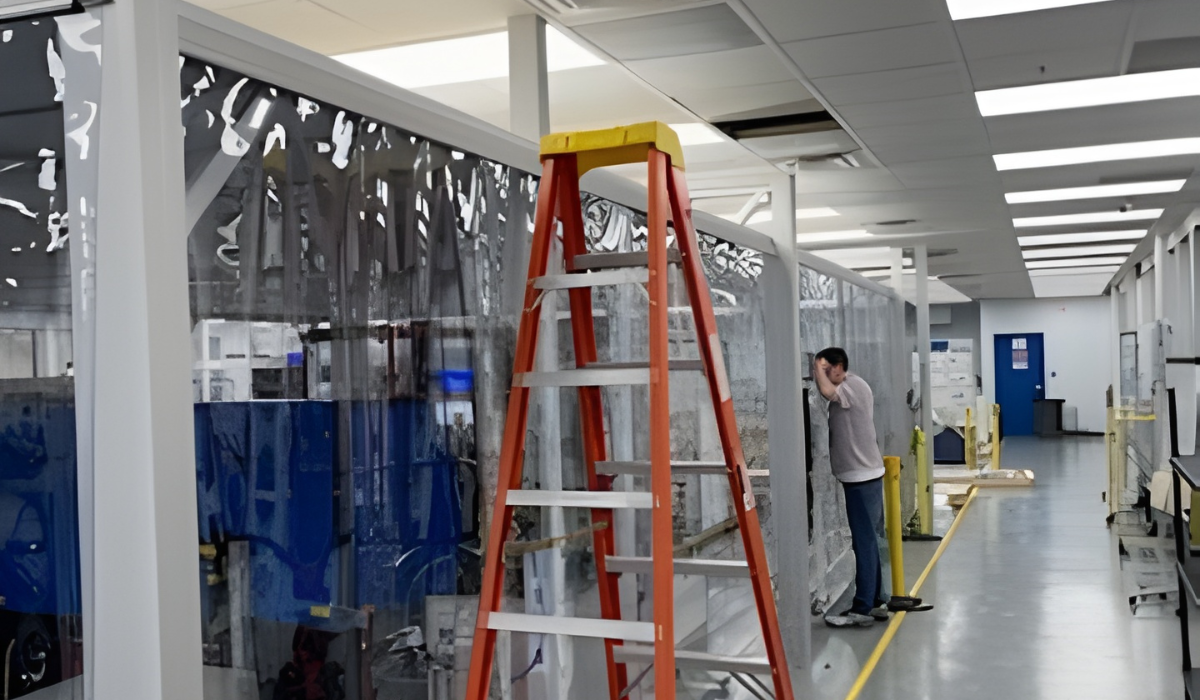
In industries requiring precise contamination control, Softwall cleanrooms provide a flexible, efficient, and cost-effective solution.
These cleanrooms offer unparalleled adaptability and portability, making them an ideal choice for businesses needing easily configurable cleanroom environments.
Whether you are in pharmaceuticals, electronics manufacturing, or research, softwall cleanrooms can be designed to meet your specific needs.
What are Softwall Cleanrooms?
Softwall cleanrooms are modular cleanroom systems designed to control contamination through advanced air filtration systems, airflow control, and specialized materials.
Unlike rigid structures like hardwall cleanrooms, softwall cleanrooms use fabric or vinyl walls, offering a lightweight, portable option that doesn’t compromise on cleanliness standards.
These cleanrooms are often used for low-to-medium cleanroom classifications and are common in industries where cleanroom flexibility and cost-effectiveness are key priorities.
The modular design of softwall cleanrooms means they can be reconfigured, expanded, or relocated with minimal disruption to operations.
This flexibility makes them ideal for companies that need to adapt to changing production requirements, ensuring that operations can continue with minimal downtime.
Features of Softwall Cleanrooms
Softwall cleanrooms are a popular choice for industries requiring flexible cleanroom environments, providing customizable cleanroom solutions that are easy to maintain. Below are the key features of softwall cleanrooms:
Modular Design
One of the standout features of softwall cleanrooms is their modular design.
This design allows for easy customization and scalability, meaning that softwall cleanrooms can be adapted to meet the specific needs of any business.
Whether you’re expanding your operations, moving locations, or adjusting the cleanroom layout for new processes, the modular structure makes this possible with minimal downtime and investment.
These cleanrooms can be reconfigured, expanded, or relocated to suit changing business requirements, providing unmatched flexibility.
Thanks to their modular design, softwall cleanrooms can be customized to various sizes and configurations to meet different production demands.
Whether you need additional workstations, larger air filtration systems, or specialized features, a modular cleanroom system can be tailored to fit your exact specifications, making them a versatile solution for businesses of all sizes.
Customizable and Expandable
Softwall cleanrooms offer the added benefit of being customizable and expandable.
With a wide range of available options, businesses can select features that best align with their needs, such as the size, air filtration systems, environmental controls, and room features.
This flexibility ensures that softwall cleanrooms can evolve with your business, whether that means expanding for new product lines or adding features to support research and development.
Additionally, since softwall cleanrooms can be quickly modified, businesses can avoid the high costs and disruptions often associated with constructing permanent, rigid structures.
This cleanroom customization allows companies to scale operations and ensures that the cleanroom environment continues to meet cleanliness standards and operational requirements as the business grows.
Flexible Wall Materials
Softwall cleanrooms use flexible wall materials, typically made from durable PVC or vinyl.
These materials provide several advantages, including ease of installation and maintenance.
Compared to traditional hardwall cleanrooms, which require significant labor and time for setup, softwall cleanrooms can be assembled and disassembled quickly.
This speed of installation is particularly beneficial for businesses that need to set up a cleanroom environment in a short time or relocate it to a new site.
PVC and vinyl are also resistant to contamination and can be easily cleaned, making them ideal for environments where cleanliness is paramount.
The lightweight nature of these materials makes softwall cleanrooms easy to transport and install, while their durability ensures that the walls remain intact even in high-traffic or high-usage environments.
The flexibility of the wall materials also allows for easy modification or replacement, should a part of the cleanroom need to be upgraded or replaced over time.
Air Filtration Systems
Air filtration is a crucial component of any cleanroom, and softwall cleanrooms are no exception.
Equipped with HEPA (High-Efficiency Particulate Air) or ULPA (Ultra-Low Penetration Air) filters, softwall cleanrooms provide high-efficiency particulate control to ensure the air remains free from contaminants.
These advanced filters trap particles as small as 0.3 microns, preventing dust, airborne microbes, and other pollutants from contaminating sensitive materials or production processes.
The air filtration system in a softwall cleanroom is designed to maintain a constant airflow that adheres to industry standards for cleanliness, ensuring that the cleanroom environment remains sterile and safe for production or research.
With the ability to control airflow, temperature, and humidity, businesses can maintain a stable and controlled environment that meets the rigorous standards of industries like pharmaceuticals, electronics, and biotechnology.
Environment Control and Monitoring
Another key feature of softwall cleanrooms is their ability to integrate environmental control and monitoring systems.
Softwall cleanrooms can be equipped with sensors that continuously monitor temperature, humidity, and pressure.
This ensures that the environment remains within the required parameters for specific applications.
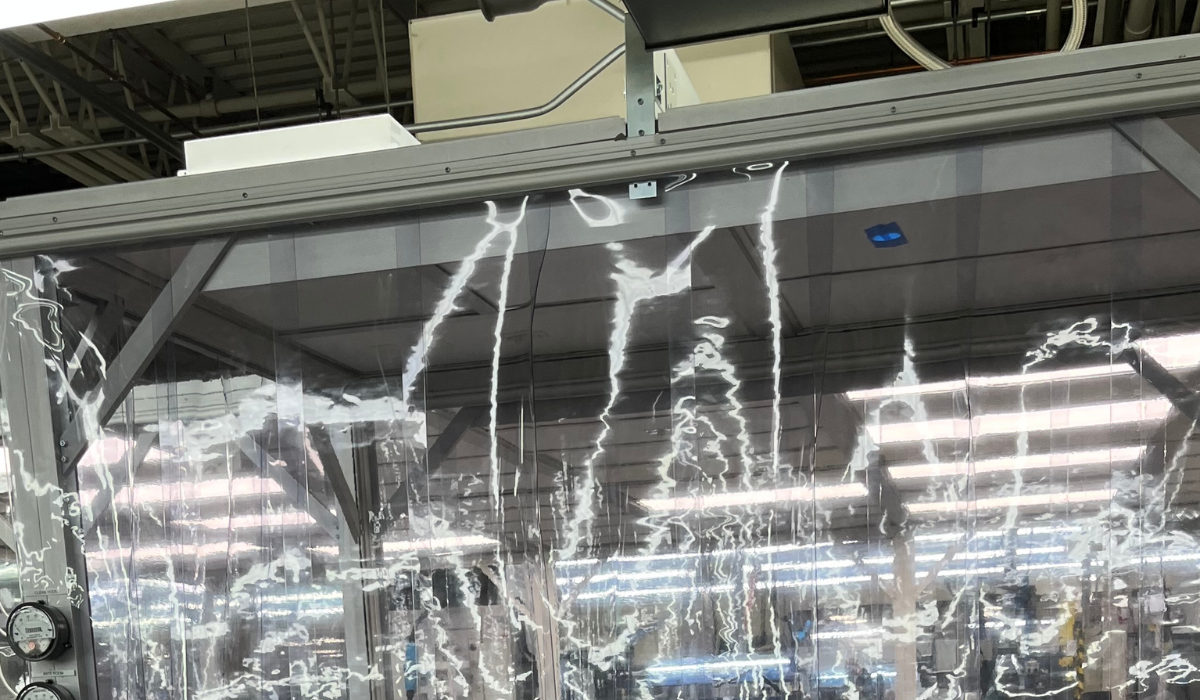
For example, in pharmaceutical manufacturing, maintaining a consistent temperature and humidity level is critical to ensure the integrity of products.
Real-time monitoring systems can alert operators to any deviations from the set parameters, allowing for prompt corrective actions to be taken.
This level of control is vital in maintaining cleanroom standards and ensuring compliance with regulatory requirements, such as those set by the FDA, ISO, and other governing bodies.
Cost-Effective and Efficient Setup
Thanks to their modular and flexible design, softwall cleanrooms are a cost-effective solution for businesses that need to control contamination but have limited budgets.
The use of affordable yet durable materials such as PVC and vinyl helps lower both the initial investment and ongoing maintenance costs.
Since softwall cleanrooms can be set up quickly and relocated easily, businesses can avoid the long-term costs associated with building permanent cleanroom structures.
The ability to reconfigure the space to accommodate changes in production processes or scale operations provides significant long-term value, ensuring that companies can maximize their investment.
Softwall cleanrooms are a popular choice for industries that require flexible, cost-effective, and efficient contamination control solutions.
These cleanrooms are characterized by their modular design, customizable features, and easy-to-maintain materials, making them ideal for various applications, including pharmaceuticals, electronics, biotechnology, and more. Below are the key features of softwall cleanrooms:
Applications of Softwall Cleanrooms
Pharmaceutical and Biotechnology Industries
Softwall cleanrooms are commonly used in the pharmaceutical and biotechnology sectors for the development and manufacturing of drugs and biologics.
These environments are crucial for maintaining sterile conditions during drug formulation and ensuring that pharmaceutical products meet regulatory standards.
Softwall cleanrooms provide the flexibility to scale operations while ensuring compliance with FDA regulations.
Electronics and Semiconductor Manufacturing
In the electronics and semiconductor industries, softwall cleanrooms are used to protect sensitive components from contamination.
The cleanrooms prevent dust, dirt, and other particles from interfering with delicate circuitry and semiconductor manufacturing, ensuring high-quality products and reducing the risk of defects.
Medical Device Manufacturing
Softwall cleanrooms also play a significant role in medical device manufacturing, where maintaining stringent sterile conditions is essential.
The versatility of softwall cleanrooms allows manufacturers to adjust the space for various device sizes and production processes.
Aerospace and Defense Applications
In aerospace and defense, softwall cleanrooms are utilized for the assembly of sensitive equipment and materials.
These industries require precise control over environmental factors such as temperature, humidity, and contamination levels, making softwall cleanrooms an ideal solution.
Food and Beverage Processing
For food and beverage processing, softwall cleanrooms maintain hygiene standards that prevent contamination and spoilage. They are ideal for areas where food is processed, packaged, or tested for quality control, ensuring safe consumption.
Benefits of Softwall Cleanrooms
Flexibility and Customization
One of the key benefits of softwall cleanrooms is their flexibility.
They can be designed and modified to meet specific needs, from simple testing environments to complex production facilities.
Their modular nature makes it easy to adapt to changes in production schedules or industry demands.
Cost-Effectiveness
Softwall cleanrooms offer a cost-effective alternative to traditional cleanrooms. Their modular design reduces the cost of construction and materials.
Additionally, the ability to expand or modify the cleanroom as needed helps companies avoid the expense of building entirely new facilities.
Portability
The portability of softwall cleanrooms is a huge advantage, particularly for companies that need to relocate or scale up operations quickly.
Unlike hardwall cleanrooms, softwall cleanrooms can be disassembled and reassembled with ease, minimizing downtime during relocation.
Quick Setup and Minimal Downtime
With softwall cleanrooms, installation times are typically shorter than traditional cleanrooms.
This means businesses can quickly set up their cleanroom environments and minimize disruption to daily operations.
For more information on the design and implementation of softwall cleanrooms, check out our softwall cleanroom construction services.
Key Design Considerations for Softwall Cleanrooms
Airflow and Ventilation
Airflow is critical in any cleanroom, and softwall cleanrooms are equipped with advanced air filtration systems such as HEPA or ULPA filters to ensure that air is free from contaminants.
The design ensures proper air circulation to meet specific cleanliness standards.
Temperature and Humidity Control
Maintaining the proper temperature and humidity is crucial in many industries, such as pharmaceuticals and electronics.
Softwall cleanrooms can be equipped with climate control systems to regulate these factors and maintain compliance with industry standards.
Cleanroom Classification
Softwall cleanrooms can be designed to meet specific cleanroom classifications outlined by the ISO 14644-1 standard, ensuring the environment maintains the correct level of cleanliness for the specific industry.
Material Choices for Softwall Cleanrooms
The walls of softwall cleanrooms are typically made from PVC or vinyl, materials that are easy to clean, durable, and resistant to damage.
These materials also contribute to the overall flexibility of the cleanroom, allowing for easy reconfiguration and modification.
Softwall Cleanroom vs. Hardwall Cleanrooms
While hardwall cleanrooms offer greater durability and structural integrity, softwall cleanrooms provide a more affordable, adaptable, and flexible solution.
Softwall cleanrooms are perfect for industries where space needs to be reconfigured frequently or where budget constraints are a factor.
They are also more portable, which is beneficial for businesses that may need to relocate their operations.
Softwall Cleanroom Standards and Regulations
ISO Standards for Cleanrooms
Softwall cleanrooms must adhere to ISO 14644-1 standards, which categorize cleanrooms based on the number of airborne particles per cubic meter.
These standards help ensure that the cleanroom meets the required level of cleanliness for specific applications.
Good Manufacturing Practices (GMP)
In industries such as pharmaceuticals, softwall cleanrooms must comply with Good Manufacturing Practices (GMP) to ensure that products are consistently produced and controlled to quality standards.
FDA Compliance
For industries like pharmaceuticals, softwall cleanrooms must also comply with FDA regulations, ensuring that manufacturing processes meet strict guidelines for hygiene and contamination control.
How to Build a Softwall Cleanroom
Building a softwall cleanroom involves several steps, from designing the layout and airflow systems to installing walls and filtration units.
Once the design is finalized, installation can typically be completed quickly, reducing downtime and allowing operations to begin without lengthy delays.
After installation, ongoing maintenance is necessary to ensure that the cleanroom meets industry standards.
Conclusion
At UltraPure Technology, we are excellent in designing and constructing softwall cleanrooms that are customizable, flexible, and cost-effective.
Our cleanroom solutions are ideal for industries such as pharmaceuticals, electronics, and biotechnology, providing a controlled environment that meets stringent industry standards.
Contact us today to learn more about how we can help you implement a softwall cleanroom solution tailored to your business needs.
FAQs
What is a softwall cleanroom?
A softwall cleanroom is a controlled environment that uses flexible walls made from materials such as PVC or vinyl. These cleanrooms are equipped with advanced air filtration systems like HEPA filters to remove contaminants from the air. The modular design allows for easy expansion and reconfiguration, making them ideal for industries with changing needs.
What industries use softwall cleanrooms?
Softwall cleanrooms are commonly used in industries such as pharmaceuticals, biotechnology, electronics, aerospace, medical device manufacturing, and food processing. These industries require contamination control for production or research, making softwall cleanrooms the perfect solution due to their flexibility and cost-effectiveness.
What are the benefits of softwall cleanrooms?
The main benefits of softwall cleanrooms are their flexibility, portability, cost-effectiveness, and quick setup time. These cleanrooms can be easily reconfigured or relocated to meet changing production needs, and they provide a controlled environment that meets industry cleanliness standards. Their modular design also reduces construction and maintenance costs.
How do softwall cleanrooms compare to hardwall cleanrooms?
Softwall cleanrooms are more affordable and flexible compared to hardwall cleanrooms. While hardwall cleanrooms offer more structural durability, softwall cleanrooms are portable, easier to install, and customizable, making them ideal for industries that require frequent changes in their cleanroom environment. However, hardwall cleanrooms may be better suited for higher-classified environments.
What materials are used for softwall cleanroom walls?
Softwall cleanroom walls are typically made from materials like PVC, vinyl, or other durable fabrics. These materials are chosen for their ability to be easily cleaned, their resistance to contamination, and their flexibility. The lightweight nature of these materials also contributes to the cleanroom’s portability and adaptability.
How is airflow controlled in a softwall cleanroom?
Airflow in softwall cleanrooms is controlled through an integrated air filtration system, typically featuring HEPA or ULPA filters. These filters remove airborne contaminants, ensuring that the cleanroom environment maintains the required particle count and meets specific industry standards. Proper airflow design helps maintain the integrity of the cleanroom.
What is the difference between softwall and modular cleanrooms?
While both types are modular, softwall cleanrooms use flexible walls made from materials like PVC or vinyl, making them more adaptable and portable. Modular cleanrooms may combine softwall and hardwall components for more permanent, structured designs, which makes them ideal for industries needing a more fixed cleanroom environment.
Are softwall cleanrooms cost-effective?
Yes, softwall cleanrooms are typically more cost-effective than traditional hardwall cleanrooms. Their modular design reduces construction costs, and their adaptability allows businesses to expand or reconfigure the cleanroom as needed without a significant financial investment. Maintenance costs are also lower due to the use of durable, easy-to-clean materials.
How do I maintain a softwall cleanroom?
Maintaining a softwall cleanroom involves regularly checking and replacing air filters, cleaning the walls and surfaces, and ensuring that environmental controls such as temperature and humidity are within the required ranges. Routine inspections help ensure that the cleanroom continues to meet industry standards and provides a contamination-free environment.
