
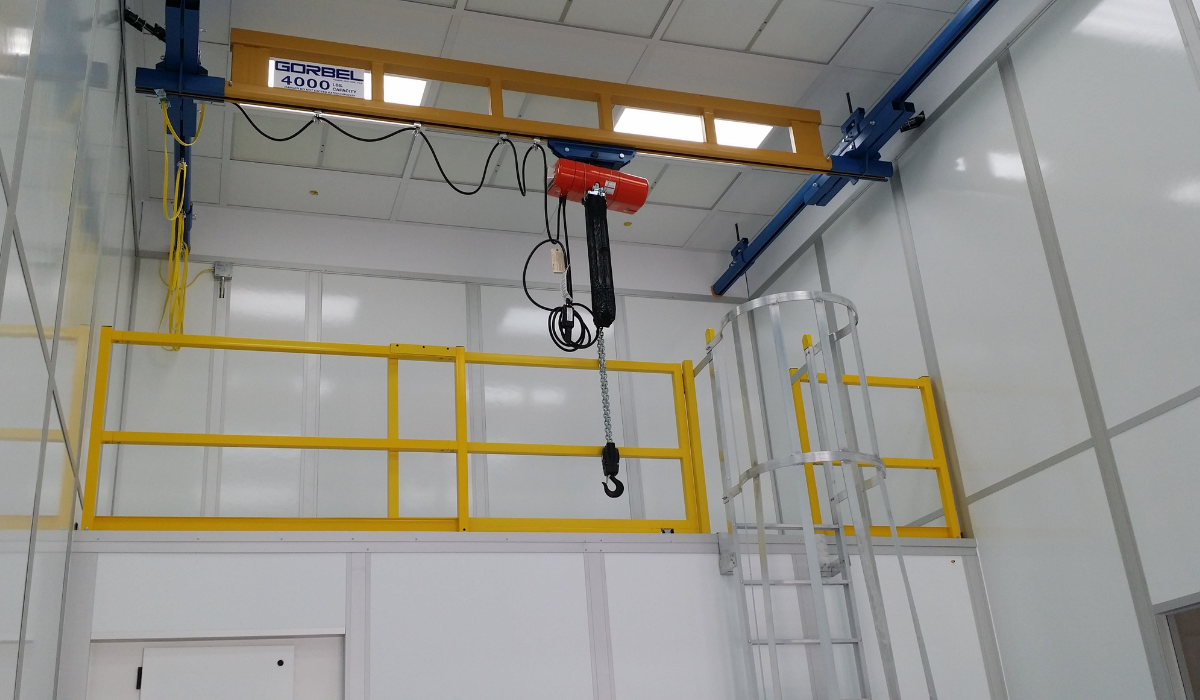
The aerospace cleanroom construction process is integral to ensuring high-quality and contamination-free environments, crucial for aerospace manufacturing.
Cleanrooms are specialized facilities designed to maintain stringent cleanliness standards to safeguard the quality of aerospace products.
The aerospace industry relies heavily on these high-precision environments to produce parts for aircraft, spacecraft, satellites, and more.
In this blog, we explore the critical elements of aerospace cleanroom construction, from aerospace cleanroom design to aerospace cleanroom certification, and how contamination control is maintained throughout the process.
Top 16 Aerospace Cleanroom Construction FAQs to Consider
What is an Aerospace Cleanroom?
An aerospace cleanroom is a controlled environment where the level of environmental contaminants, such as dust, airborne microbes, and aerosol particles, is minimized.
These rooms are used for manufacturing, assembling, and testing critical aerospace components, where even the smallest speck of dust can significantly impact the performance of the final product.
Unlike standard cleanrooms, aerospace cleanrooms must meet stringent design and operational standards.
The air quality and cleanliness of these rooms are vital to maintaining the precision and reliability of aerospace products, which often have to endure extreme conditions.
By adhering to cleanroom construction standards, aerospace cleanrooms ensure that products are manufactured under highly controlled conditions, preventing contamination that could jeopardize the integrity of components.
Why Are Aerospace Cleanrooms Essential for the Industry?
Aerospace manufacturing involves producing complex and sensitive products like jet engines, spacecraft, and satellites.
These products are often subjected to extreme conditions, such as high speeds, temperature fluctuations, and radiation, making it crucial to ensure that every component is manufactured in the cleanest and most precise environment possible.
Aerospace cleanrooms are built to minimize contamination during the production process.
Even tiny particles of dust or contaminants can interfere with the intricate manufacturing of these components, leading to failures in performance or safety.
With aerospace industry contamination control being a top priority, aerospace cleanrooms allow for the production of these high-performance components under highly controlled and safe conditions.
What are the Key Requirements for Aerospace Cleanroom Construction
Aerospace cleanroom construction involves a careful balance of multiple factors that ensure the final product meets the industry’s stringent safety and quality standards.
Some key requirements include:
Air Cleanliness Standards (ISO Classifications)
Cleanrooms are classified based on the number and size of particles permitted in the air, with the ISO classification system being the most commonly used.
Aerospace cleanrooms typically fall under higher ISO classes, such as ISO 5 or ISO 6, depending on the sensitivity of the work being conducted.
These cleanrooms maintain air cleanliness levels by using specialized filtration systems such as HEPA or ULPA filters to remove particulate matter.
Temperature and Humidity Control
Precise temperature and humidity control are essential for ensuring the proper conditions for both manufacturing processes and the stability of the materials used.
Aerospace cleanroom HVAC systems must be designed to maintain specific temperature and humidity levels, preventing any adverse effects on the aerospace components being produced.
Pressure Differentials
Aerospace cleanrooms are built with pressure differentials to ensure that clean air flows into the room, preventing the intrusion of contaminated air.
This helps maintain the cleanliness of the environment at all times, ensuring that contamination risks are minimized.7
What is the Construction Process of Aerospace Cleanrooms
Building an aerospace cleanroom requires careful planning, design, and execution. Here’s a brief overview of the construction process:
Planning and Site Selection
Choosing the right site for a cleanroom is critical to ensure a stable foundation, proper airflow, and ease of access to necessary materials.
The planning stage also includes the identification of HVAC requirements, material selection, and space configuration.
Design Phase
The design phase involves careful coordination of the cleanroom’s layout, HVAC system, electrical components, and other infrastructure elements.
The design should accommodate specific needs for contamination control, safety, and accessibility.
Material Selection
In aerospace cleanroom construction, the materials used for the walls, floors, and ceilings are carefully chosen to prevent contamination.
Non-porous materials, such as stainless steel or specialized polymers, are typically used to ensure that the cleanroom is easy to clean and maintain.
Construction Phase
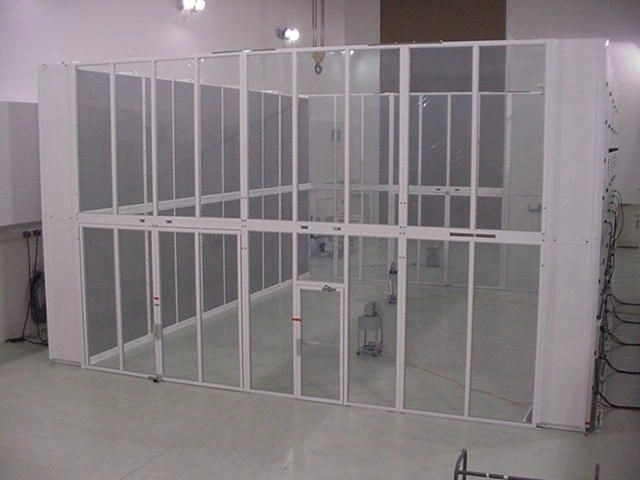
The actual construction of the cleanroom involves assembling all necessary components, including the filtration system, HVAC systems, and cleanroom walls.
Throughout this process, it’s essential to follow strict protocols to ensure that the cleanroom remains uncontaminated during the building phase.
Inspection and Certification
After construction, the cleanroom undergoes rigorous testing to ensure it meets the necessary standards.
Cleanroom certification is conducted by external bodies, which test the air quality, cleanliness, and functionality of the entire system.
What are the Safety Protocols in Aerospace Cleanroom Construction?
Aerospace cleanrooms must adhere to strict safety protocols to protect both the workers and the products being produced. These protocols include:
Worker Safety
Personnel must be trained on the appropriate gowning procedures, sanitization protocols, and safe practices to minimize contamination.
Regular Inspections
Periodic inspections ensure that the cleanroom continues to meet industry standards and remains compliant with regulations.
Safety Systems
Contamination detection and mitigation systems are implemented to maintain air quality and minimize the risks of contamination from external sources.
What are Some Emerging Trends in Aerospace Cleanroom Construction?
As the aerospace industry continues to innovate, cleanroom construction techniques are evolving. Some emerging trends include:
Green Building Practices
Sustainable cleanroom construction, including energy-efficient HVAC systems, eco-friendly materials, and sustainable construction methods.
Automation and Robotics
The integration of robots and automated systems into aerospace cleanrooms is increasing to streamline production processes and reduce human error.
Advanced Contamination Control Technologies
Ongoing advancements in contamination control systems, including more effective filtration systems and real-time contamination monitoring, are being developed to enhance the cleanliness of aerospace manufacturing environments.
What is the ideal ISO classification for aerospace cleanrooms?
Aerospace cleanrooms typically fall under ISO Class 5 or Class 6, which offer the highest level of cleanliness and the least amount of airborne particulate matter.
These standards ensure that the cleanroom environment is suitable for producing highly sensitive aerospace components, such as aircraft engines or satellite parts.
The cleaner the environment, the lower the chances of product contamination that could compromise performance or safety.
How often should aerospace cleanrooms be inspected?
Aerospace cleanrooms should be inspected regularly, at least once a year or more frequently if needed.
Inspections include testing the air quality, checking the integrity of HVAC systems, and verifying that the cleanroom meets the required cleanliness levels.
Ensuring compliance with ISO standards is critical for maintaining certification and ensuring the quality of the products being manufactured.
What materials are best for constructing aerospace cleanrooms?
Aerospace cleanrooms are typically constructed with non-porous, durable materials such as stainless steel, fiberglass, or specialized polymers.
These materials are resistant to contamination and ensure that the cleanroom remains easy to maintain and sanitize.
These materials also contribute to the longevity of the cleanroom, ensuring that the environment remains sterile for long periods.
How do aerospace cleanroom designers control contamination during construction?
During construction, contamination control is achieved by maintaining a clean environment and using negative pressure zones, air filtration systems, and strict cleanroom protocols.
Construction workers must follow contamination control measures to prevent any foreign particles from entering the cleanroom.
Protective barriers and airlocks are used during construction to maintain the integrity of the cleanroom environment.
Can aerospace cleanrooms be integrated with existing facilities?
Yes, aerospace cleanrooms can be integrated with existing facilities as long as there is adequate space, proper HVAC systems, and structural capacity to support the new cleanroom.
Retrofitting existing buildings with cleanroom technologies is a common practice in the aerospace industry.
It requires careful planning and coordination to ensure that the new cleanroom integrates seamlessly with the existing infrastructure.
What are the primary factors influencing the cost of aerospace cleanroom construction?
The cost of constructing an aerospace cleanroom depends on several factors, including the cleanroom’s ISO classification, the size of the space, the complexity of the HVAC system, material costs, and any customization requirements.
High-precision components and specialized features, such as automated systems or green technologies, can add to the overall cost of construction.
How do cleanroom HVAC systems work in aerospace cleanrooms?
Cleanroom HVAC systems are designed to maintain a controlled environment by filtering out contaminants and regulating air flow.
They use HEPA or ULPA filters, ensuring that the air entering the cleanroom is free of particles.
These systems also control temperature, humidity, and pressure to ensure optimal conditions.
Regular maintenance and calibration are essential to ensure that the HVAC systems remain effective over time.
What certifications are required for aerospace cleanroom construction?
Aerospace cleanrooms must meet specific industry standards and regulations, such as ISO 14644, to ensure they meet cleanliness and contamination control requirements.
Certification processes include thorough testing of the cleanroom’s airflow, filtration, and cleanliness levels.
Certifications are essential for validating the cleanroom’s compliance with the aerospace industry’s strict requirements.
How do cleanroom protocols ensure safety in aerospace manufacturing?
Cleanroom protocols play a critical role in maintaining safety by ensuring that personnel follow stringent contamination control measures.
These protocols include proper gowning procedures, sanitization, and regular monitoring of contamination levels.
By adhering to strict protocols, cleanroom workers help maintain a sterile environment that reduces the risk of contamination and ensures the safety and reliability of aerospace components.
How does contamination control affect the performance of aerospace components?
Contamination control directly impacts the performance and reliability of aerospace components.
Even minute contaminants, such as dust or debris, can cause malfunction or failure of critical systems, such as engines or avionics.
Cleanrooms are designed to mitigate these risks by controlling air quality and ensuring that the manufacturing environment remains as sterile as possible, thus ensuring the performance and safety of the final aerospace products.
Conclusion
The construction of aerospace cleanrooms is critical to the success of the aerospace industry.
By ensuring that every part of the manufacturing process adheres to high standards of cleanliness, precision, and safety, aerospace manufacturers can deliver products that meet the rigorous requirements of aviation, space exploration, and more.
If your company is considering the construction of an aerospace cleanroom, it’s essential to work with experts who understand the intricacies of aerospace cleanroom design and construction.
Contact Us for Expert Aerospace Cleanroom Construction
If you are prioritizing precision and cleanliness for aerospace success, you can consult with us today because our team specializes in aerospace cleanroom construction services, offering high-quality, contamination-free environments tailored to your aerospace manufacturing needs.
For more information, discuss with professionals at UltraPure Technology and know how we can help you build a state-of-the-art cleanroom that meets the stringent requirements of the aerospace industry.
