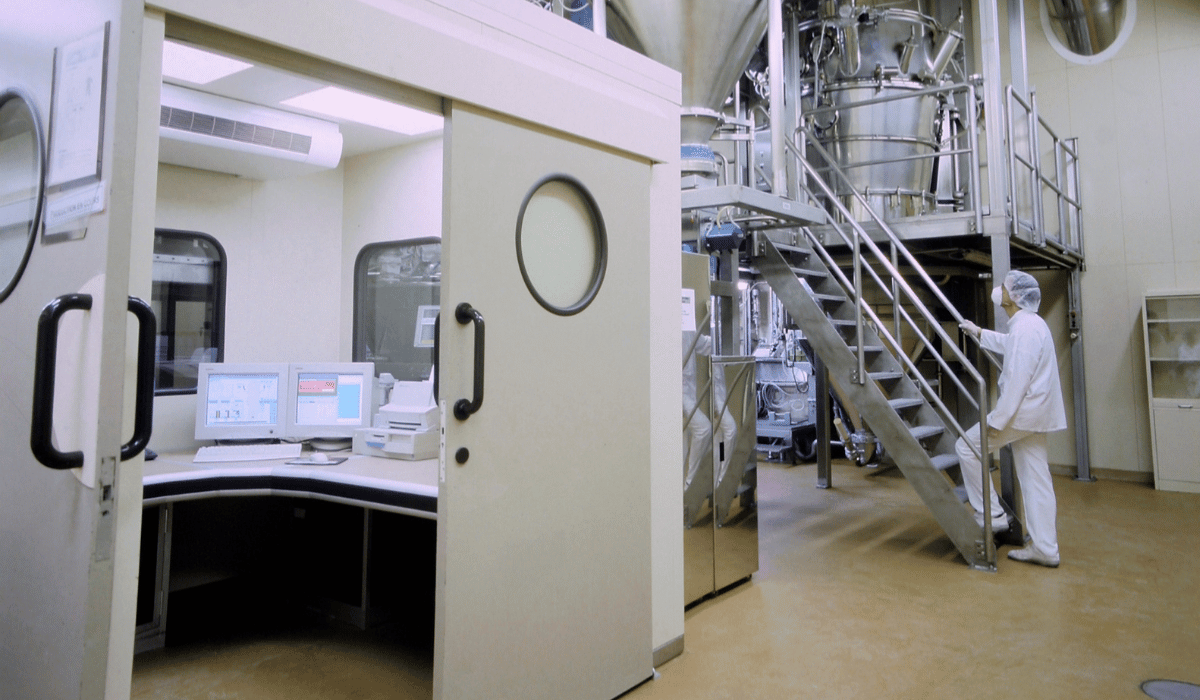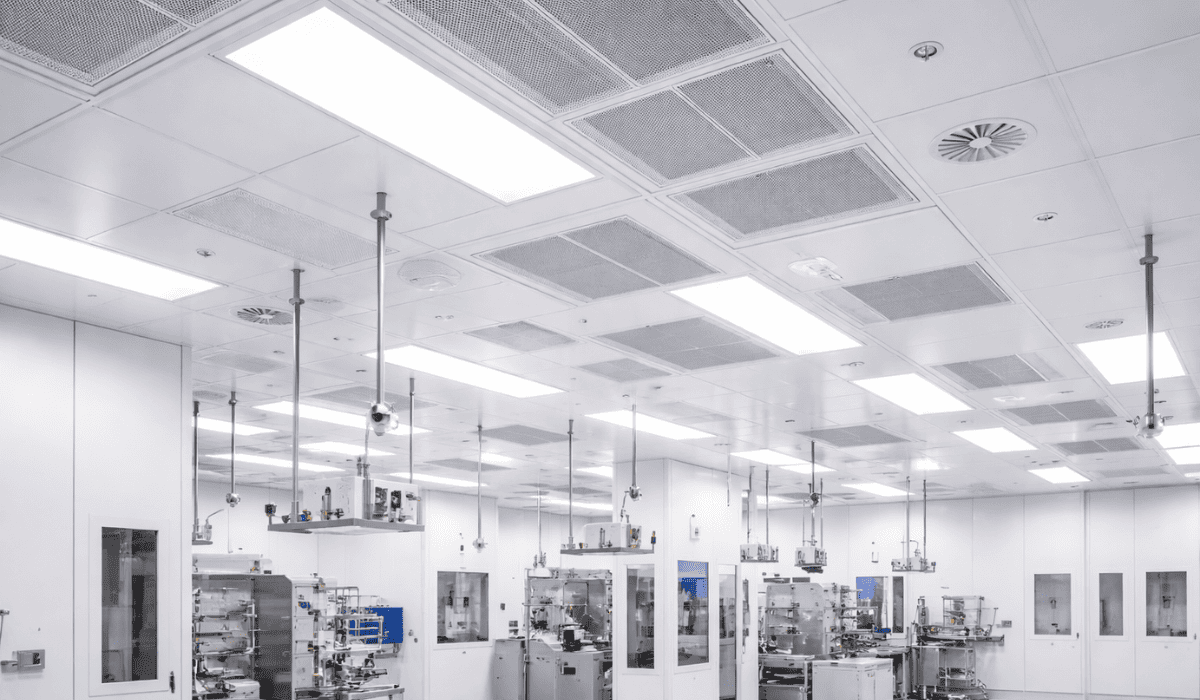

Building or upgrading a cleanroom is a major investment—one that directly affects product quality, regulatory compliance, safety, and operational efficiency.
Whether your facility works in pharmaceuticals, biotech, electronics, aerospace, medical devices, food processing, or research, the right contractor can make all the difference.
That’s why hiring a certified cleanroom contractor is essential.
A certified contractor understands cleanroom construction standards, has proven experience meeting ISO cleanroom certification requirements, and offers specialized cleanroom design and installation services tailored to your industry.
Choosing the right professional protects your investment, minimizes downtime, and ensures your cleanroom performs reliably from day one.
Below is a detailed guide to help you identify what truly matters during the hiring process.
1. Verify Expertise in Cleanroom Standards and Compliance
Cleanroom construction is vastly different from general commercial building.
Walls, flooring, lighting, HVAC, airflow systems, filtration, and pass-throughs require precision engineering and rigorous adherence to industry standards.
A reputable contractor must be deeply familiar with:
• ISO Cleanroom Classification
They should understand ISO 14644 standards inside and out, including:
- ISO class differences
- Particle count requirements
- Air changes per hour (ACH)
- Pressure differentials
- Temperature and humidity controls
Ask them:
- “Which ISO classes have you built?”
- “Can you walk us through your approach to achieving ISO certification?”
This ensures they know how to meet ISO cleanroom certification requirements from planning to final validation.
• FDA, GMP, and Industry-Specific Regulations
If your cleanroom will be used for pharmaceuticals, medical devices, cannabis processing, semiconductor fabrication, or electronics assembly, there are extra layers of compliance required.
A certified contractor should understand:
- FDA cGMP
- USP standards
- EU GMP
- IEST guidelines
Failing to meet even a single regulation can cause delays and costly rework—so expertise here is non-negotiable.
2. Review Their Cleanroom Construction Experience
Nothing replaces experience.
The best cleanroom contractors have completed dozens—or even hundreds—of successful projects.
Evaluate their background by asking:
• Do They Have Specialized Cleanroom Experience?
Cleanroom work requires:
- sealed and seamless surfaces
- contamination-free construction methods
- proper integration of HEPA and ULPA filters
- airflow direction design
- cleanroom-compatible materials
General contractors rarely have this level of expertise.
• Can They Provide Case Studies and References?
Look for:
- industries they’ve served
- square footage of cleanrooms completed
- challenges they solved
- types of modular or fixed cleanrooms built
Client testimonials give you real insight into reliability, professionalism, and on-time delivery.
3. Confirm They Follow Proven Cleanroom Construction Standards
Your contractor should demonstrate a clear and documented understanding of required cleanroom construction standards.
This includes:
• Materials Selection
Cleanroom-friendly materials must be:
- non-shedding
- chemical resistant
- easy to sanitize
- seamless or low-seam
- low VOC
• Proper HVAC and Airflow Integration
A qualified contractor understands:
- laminar vs. turbulent flow
- pressurization zones
- filtration levels
- temperature/humidity control
- energy-efficient systems
Since HVAC is the heart of cleanroom performance, this skill is essential.
• Contamination Control Protocols
They should follow contamination-free construction methods:
- isolated work zones
- strict sealant and caulking application
- dust-free material installation
- clean build practices
A contractor who builds cleanrooms the way traditional rooms are built will create long-term problems.
4. Evaluate Their Ability to Provide Design + Build Services
The strongest cleanroom companies offer complete cleanroom design and installation services, which saves time, reduces costs, and ensures consistent quality.
Look for contractors who provide:
• Turnkey Design
This includes:
- layout concepts
- HVAC system planning
- mechanical and electrical integration
- workflow optimization
A good designer understands how your personnel, materials, equipment, and air will move through the space—from gowning rooms to critical work zones.
• Engineering + CAD Drawings
They should produce:
- P&ID diagrams
- MEP coordination drawings
- airflow patterns
- pressure differential plans
• Fabrication + Installation
The same team should oversee:
- wall panels
- ceilings
- flooring
- lighting
- filtration components
- cleanroom furniture
- pass-throughs
A unified team ensures accountability, faster installation, and fully integrated systems.
5. Check Whether They Offer Modular Cleanroom Solutions
Modular cleanrooms offer advantages like:
- faster installation
- easier modification
- lower labor costs
- energy efficiency
- scalability
If you anticipate growth or future upgrades, a contractor with modular expertise is invaluable.
They should also offer retrofit solutions for existing cleanrooms—helping you improve performance without requiring a complete rebuild.
6. Evaluate Project Management Strength
A certified cleanroom contractor should have a proven project management system that keeps everything on track.
Look for:
- clear timelines
- transparent communication
- detailed budgeting
- ability to coordinate with other subcontractors
- proactive problem solving
Since cleanroom projects involve HVAC specialists, electricians, mechanical engineers, and facility managers, strong coordination is essential to avoid delays.
7. Review Validation and Testing Capabilities
A true cleanroom contractor does more than build walls—they ensure your cleanroom passes certification.
They should offer:
- particle testing
- airflow testing
- leak testing
- pressure differential verification
- full documentation for compliance audits
This step ensures your space meets the required ISO cleanroom certification requirements before being handed over.
8. Confirm Long-Term Support and Maintenance Services
Cleanrooms require ongoing care.
The best contractors provide extended support, such as:
- scheduled maintenance
- filter replacement
- emergency repair service
- system upgrades
- recalibration for new equipment
A partner who understands your cleanroom long-term helps protect your investment and ensures consistent operation.
9. Evaluate Their Approach to Safety and Risk Management
Cleanroom construction involves specialized materials, equipment, and fire-rated systems.
Ask contractors about:
- on-site safety protocols
- chemical handling procedures
- electrical standards
- emergency response planning
A contractor who cannot describe safety policies is one to avoid.
10. Look for Transparency in Pricing and Budgeting
Reliable cleanroom contractors provide:
- clear quotes
- no hidden costs
- flexible options (modular vs. traditional)
- value engineering suggestions
They should explain where every dollar goes—materials, HVAC, filtration components, wall panels, mechanical work, certification testing, and more.
11. Ask About Their Collaborations With Suppliers and Manufacturers
Contractors with strong supply chain connections can secure:
- better prices
- faster lead times
- specialized materials
- higher-grade components
These relationships matter, especially if you need urgent installation or complex material specifications.
Conclusion
Hiring a certified cleanroom contractor is one of the most important decisions you will make in your facility’s development.
When evaluating options, focus on their experience with cleanroom construction standards, familiarity with ISO cleanroom certification requirements, and ability to deliver fully integrated cleanroom design and installation services that meet your operational needs.
The right partner ensures compliance, efficiency, long-term reliability, and a cleanroom environment engineered for peak performance.
About Us
Ultrapure Technology, Inc. has been a trusted provider of cleanroom products and solutions since 1993.
We supply high-quality equipment for controlled environments and offer complete turnkey design and build services for modular cleanrooms and laboratories.
Our experienced, customer-focused team supports every step of the process—from planning and coordination to final construction—to ensure cost-effective results that meet and exceed expectations.
FAQs
Why is it important to hire a certified cleanroom contractor?
A certified cleanroom contractor understands the strict environmental, regulatory, and engineering requirements needed to build a compliant cleanroom. They follow established cleanroom construction standards, ensure proper airflow design, install ISO-grade filtration systems, and use cleanroom-approved materials that prevent contamination. This expertise protects your investment and ensures your cleanroom achieves the required certification.
What certifications should a cleanroom contractor have?
Look for contractors who have experience with ISO cleanroom certification requirements, IEST guidelines, GMP standards, and industry-specific regulations like FDA or EU GMP. Certification or experience in ISO 14644-1 and 14644-2 compliance is especially important, as these define particle limits and testing procedures for all cleanroom classes.
How do I know if a contractor follows proper cleanroom construction standards?
Request documentation of their past projects, ask about materials they use (e.g., non-shedding surfaces, cleanroom-rated wall panels, seamless flooring), and review their standard operating procedures for contamination-controlled construction. Reputable contractors can also explain pressure differential design, cleanroom airflow strategies, and HVAC integration in detail.
What industries require specialized cleanroom contractors?
Industries that rely heavily on contamination control—such as pharmaceuticals, biotechnology, semiconductors, aerospace, medical devices, cannabis processing, and advanced manufacturing—require certified contractors familiar with stringent particle, microbial, and environmental standards.
What do cleanroom design and installation services include?
Cleanroom design and installation services typically cover:
- Initial layout planning and workflow optimization
- HVAC, filtration, and airflow design
- Material and personnel flow planning
- Modular or hardwall cleanroom construction
- Integration of lighting, pass-throughs, ceilings, doors, and flooring
- Final testing and validation
- This full-service approach saves time, reduces cost, and ensures seamless coordination.
How long does it take to build or install a cleanroom?
Timelines vary depending on cleanroom size, ISO class, and whether it is modular or traditional. Modular cleanrooms can be installed in a few weeks, while larger or highly regulated facilities may take several months. A qualified contractor provides a detailed project schedule during the planning phase.
Can a regular general contractor build a cleanroom?
It is highly discouraged. Cleanrooms require specialized engineering, contamination control strategies, and knowledge of ISO cleanroom certification requirements. General contractors often lack experience with airflow systems, particle management, clean sealing techniques, and regulated construction materials. Always choose a certified cleanroom specialist.
What is the difference between modular and traditional cleanroom construction?
Modular cleanrooms use prefabricated panels and components that assemble quickly and offer easy expansion or modification. Traditional (hardwall) cleanrooms are built like permanent structures but require more time and labor. A certified contractor can help determine which option best fits your timeline, budget, and long-term goals.