
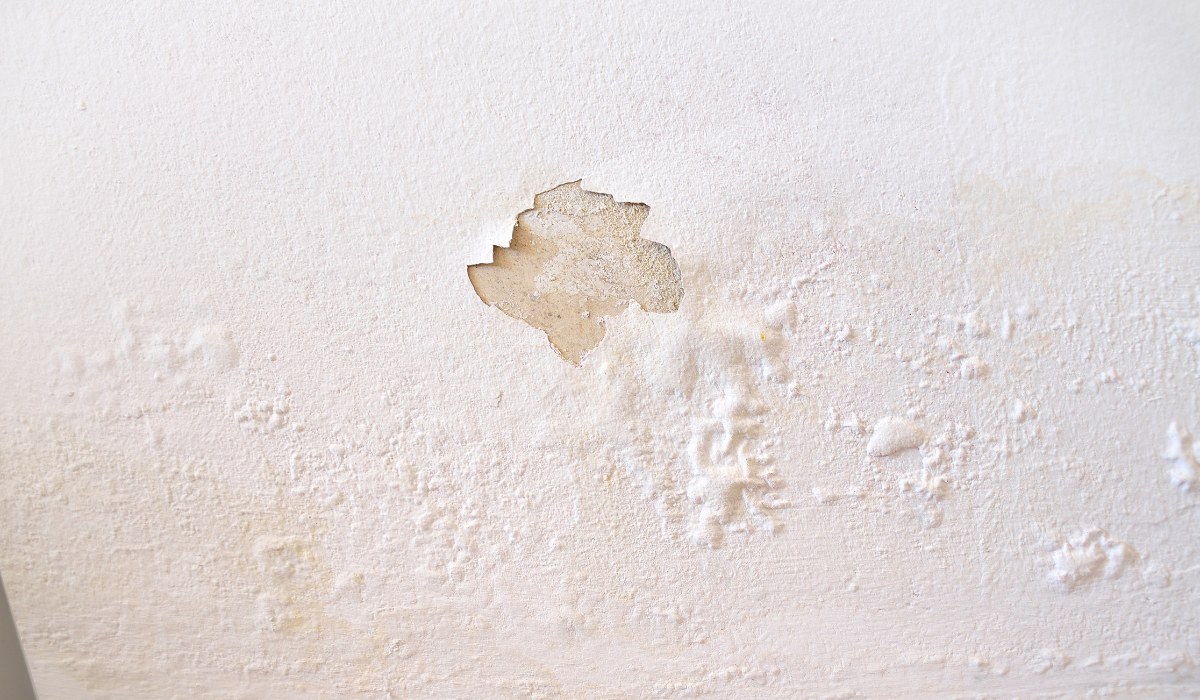
Pharmaceutical cleanroom wall humidity is a critical but often overlooked factor in contamination control, regulatory compliance, and long-term facility integrity.
While most cleanroom programs focus heavily on airborne particle counts and room-level relative humidity, moisture accumulation inside wall systems presents a hidden risk that can persist long after a leakage event appears resolved.
Even small leaks can introduce water into sealed wall assemblies, altering humidity behavior, encouraging microbial growth, and undermining environmental stability.
This article explores how leakage impacts humidity levels within pharmaceutical cleanroom walls, why wall moisture is uniquely dangerous, and how facilities can detect, manage, and prevent these issues through proper design, monitoring, and remediation strategies.
Why Humidity Control Is Critical in Pharmaceutical Cleanrooms
Pharmaceutical cleanrooms operate within tightly defined environmental limits to protect product quality and ensure compliance with Good Manufacturing Practice (GMP) requirements.
Humidity control is essential because moisture directly influences microbial growth, material stability, electrostatic discharge, and operator comfort.
Pharmaceutical cleanroom humidity control typically aims to maintain stable relative humidity ranges that support both process requirements and contamination prevention.
When humidity deviates, especially in an uncontrolled or localized manner, it introduces variability that can compromise validated conditions.
Unlike short-term fluctuations in room air, humidity trapped inside wall systems can remain undetected and continuously influence the cleanroom environment.
How Pharmaceutical Cleanroom Walls Are Designed
Cleanroom wall systems differ significantly from conventional building walls.
They are designed to be smooth, non-shedding, easy to clean, and tightly sealed to maintain pressure differentials and airflow patterns.
These characteristics, while essential for contamination control, also make wall systems more vulnerable to trapped moisture.
Cleanroom walls often include:
- Non-porous surface panels with sealed joints
- Insulation layers for thermal stability
- Vapor barriers to limit moisture migration
- Embedded services such as electrical conduits or utilities
Because these systems are sealed, moisture that enters the wall cavity has limited pathways for escape.
As a result, moisture in cleanroom walls can persist far longer than surface wetting, creating long-term humidity problems even when room air conditions appear normal.
Proper sealing, material selection, and wall system design play a critical role in preventing moisture intrusion, which is why proven cleanroom construction best practices are essential from the earliest planning stages.
Common Sources of Leakage in Pharmaceutical Cleanrooms
Leakage events in cleanroom environments are rarely dramatic.
In most cases, they begin as small, localized failures that gradually introduce water into wall systems.
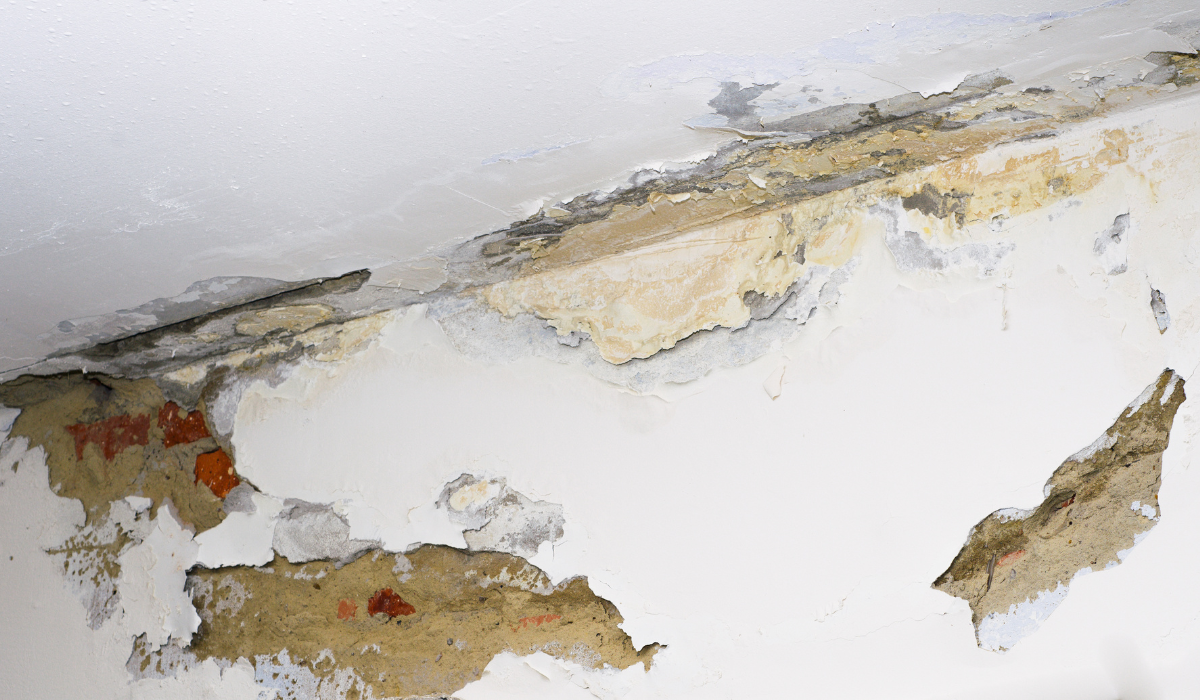
Common sources of cleanroom water ingress include:
- Condensate line blockages or failures in HVAC systems
- Leaks from overhead piping or utility services
- Roof or ceiling penetrations above cleanroom areas
- Fire suppression system discharge or testing incidents
- Inadequate sealing around wall penetrations and joints
- Improper drainage during cleaning or maintenance activities
These events may not immediately impact room-level humidity sensors, allowing moisture to accumulate unnoticed within walls.
How Leakage Changes Humidity Behavior Inside Cleanroom Walls
When water enters a cleanroom wall system, it alters the internal moisture balance in several ways.
First, porous materials such as insulation or joint fillers absorb water through capillary action.
Second, temperature differences between wall layers promote condensation, especially when warm, humid air contacts cooler internal surfaces.
Over time, this leads to cleanroom wall moisture buildup characterized by:
- Elevated localized relative humidity within wall cavities
- Slow evaporation due to sealed construction
- Periodic moisture release back into the cleanroom air
Because wall cavities dry much more slowly than open surfaces, humidity levels may remain elevated for weeks or months after a leakage event.
Operational Impact of Wall Humidity on Cleanroom Performance
Elevated humidity inside wall systems has direct and indirect consequences for cleanroom operation.
Even though the effects might not be apparent right away, they can eventually greatly raise the risk of contamination and operational instability.
Key impacts include
- Increased cleanroom contamination risk from humidity due to microbial growth inside wall cavities
- Odor development and material degradation near affected areas
- Corrosion of embedded electrical components or structural elements
- Difficulty maintaining stable room humidity due to continuous moisture release
- Increased burden on HVAC systems attempting to compensate
These issues undermine the predictability required for validated pharmaceutical manufacturing environments.
The Role of HVAC Systems in Post-Leak Humidity Control
Cleanroom HVAC humidity control systems are designed to regulate room air, not remove trapped moisture from building assemblies.
After a leakage event, HVAC systems may appear to stabilize relative humidity readings while walls continue to release moisture slowly.
This creates several challenges:
- HVAC systems may run longer or at higher capacity, increasing energy consumption
- Temperature adjustments made to control humidity can disrupt process conditions
- Persistent moisture sources can cause recurring humidity deviations
Without targeted wall drying and remediation, HVAC adjustments alone rarely resolve the underlying problem.
Monitoring Moisture and Humidity in Cleanroom Walls
Traditional humidity monitoring focuses on room-level sensors, which may not detect wall-specific moisture issues.
Effective humidity monitoring in cleanrooms must include strategies for identifying hidden moisture accumulation.
Advanced monitoring approaches include:
- Surface moisture probes to detect elevated wall humidity
- Non-destructive testing such as infrared thermography
- Periodic inspections of high-risk areas near penetrations and ceilings
- Trend analysis to identify unexplained humidity fluctuations
Integrating these methods into environmental monitoring programs improves early detection and reduces long-term risk.
Wall Moisture’s Effects on GMP and Regulation
From a GMP perspective, uncontrolled humidity represents a potential contamination source and a deviation from validated environmental conditions.
Regulators expect pharmaceutical manufacturers to understand, control, and document environmental risks, including those related to building infrastructure.
Wall moisture issues can raise concerns related to:
- Inadequate environmental control
- Insufficient root cause analysis after leakage events
- Lack of documented corrective and preventive actions
- Failure to assess impact on product quality
Addressing wall humidity proactively supports GMP cleanroom environmental control and audit readiness, especially when combined with cleanroom hygiene in 2026 delivered through professional cleaning programs.
Wall Drying and Remediation for Cleanrooms
Cleanroom wall drying and remediation require specialized approaches that differ from standard building repairs.
The goal is not only to remove moisture but also to restore validated environmental performance.
Effective remediation typically involves:
- Immediate isolation of affected areas to prevent contamination spread
- Controlled drying using low-humidity air and appropriate airflow management
- Removal and replacement of materials that cannot be adequately dried
- Verification of moisture removal through repeat measurements
- Requalification of environmental conditions after remediation
Skipping or shortening these steps increases the risk of recurring humidity problems.
Preventive Design and Maintenance Strategies
Preventing cleanroom leakage effects begins at the design stage and continues through disciplined maintenance practices.
Facilities that treat moisture control as a lifecycle issue experience fewer disruptions and lower remediation costs.
Preventive measures include:
- Robust sealing of all wall penetrations and joints
- Selection of moisture-resistant wall and insulation materials
- Proper drainage design for HVAC and utility systems
- Routine inspection of high-risk areas
- Training maintenance staff to recognize early signs of moisture intrusion
These strategies significantly reduce the likelihood of hidden moisture accumulation.
Risk Assessment and Documentation After Leakage Events
Every leakage event should trigger a structured risk assessment.
This ensures that potential impacts on cleanroom performance and product quality are fully understood and addressed.
A comprehensive assessment typically includes:
- Identification of affected wall areas
- Evaluation of humidity trends before and after the incident
- Assessment of contamination risk
- Documentation of remediation actions and verification results
Thorough documentation demonstrates control and supports regulatory confidence.
Conclusion
Leakage-related humidity issues in pharmaceutical cleanroom walls present a complex and often underestimated risk.
Hidden moisture within wall systems can impair cleanroom performance.
It increases contamination risk and complicates regulatory compliance. This can occur even when room-level environmental controls appear stable.
By understanding how leakage affects wall humidity, facilities can respond effectively. Advanced monitoring helps identify hidden moisture early.
Disciplined remediation and preventive practices protect product quality. They also support long-term operational reliability.
Proactive management of cleanroom wall humidity is not simply a maintenance task; it is a critical component of environmental control strategy.
For pharmaceutical facilities seeking reliable cleanroom performance and regulatory confidence, UltraPure Technology offers proven expertise in cleanroom hygiene, construction, and environmental control.
Frequently Asked Questions
Why is moisture inside cleanroom walls a serious concern?
Moisture trapped within wall systems is difficult to detect and slow to dry. It creates favorable conditions for microbial growth and material degradation. Over time, this hidden moisture can compromise cleanroom stability and air quality.
Can cleanroom humidity appear controlled even if walls contain moisture?
Yes, room-level sensors may continue to show acceptable humidity readings. Moisture inside walls can remain elevated without affecting surface measurements. This hidden condition can later disrupt environmental control unexpectedly.
What typically causes moisture buildup inside cleanroom walls?
Moisture most often enters walls through leaks in HVAC systems, piping, or ceilings. Poorly sealed penetrations and condensation also contribute. Even small leaks can lead to long-term moisture accumulation.
How does wall humidity increase contamination risk?
Elevated humidity inside walls supports microbial growth. Air movement and pressure changes can allow contaminants to migrate into clean areas. This creates a persistent and difficult-to-control contamination source.
Can HVAC systems resolve wall moisture problems on their own?
HVAC systems regulate room air, not moisture trapped inside wall cavities. Walls may continue releasing moisture even when air humidity is controlled. Targeted drying and remediation are often necessary.
How can facilities detect moisture inside cleanroom walls?
Specialized moisture probes and surface measurements are commonly used. Infrared imaging may help identify hidden damp areas. Trend monitoring supports early detection before conditions worsen.
Does wall moisture always require shutting down cleanroom operations?
Not every situation requires a full shutdown. The response depends on moisture severity, location, and product exposure. A structured risk assessment helps determine appropriate actions.
What should be done immediately after a leakage event?
The source of leakage should be stopped as quickly as possible. Affected areas must be assessed for hidden moisture. Drying, remediation, and verification help restore environmental stability.
How can pharmaceutical facilities prevent future wall moisture issues?
Strong design practices and proper sealing reduce leakage risk. Routine inspections help identify early warning signs. Ongoing monitoring supports long-term cleanroom reliability and compliance.
What Should a Pharmaceutical Facility Do After a Cleanroom Water Leak?
A pharmaceutical facility should respond to a cleanroom water leak quickly to limit moisture damage and potential contamination risks. The affected area should be assessed, the source of the leak identified and repaired, and any impacted materials evaluated for moisture damage. Depending on the severity of the incident, the facility may also need documented risk assessment, cleaning, environmental monitoring, and requalification before normal operations resume.
How Do You Dry Moisture Trapped Inside a Pharmaceutical Cleanroom Wall?
Drying moisture trapped inside a pharmaceutical cleanroom wall typically requires identifying the extent of the moisture intrusion before selecting a remediation method. Professionals may use moisture meters, thermal imaging, or other diagnostic techniques to locate affected areas. Depending on the wall construction and severity of the damage, controlled drying, removal of damaged materials, or wall-system replacement may be necessary to restore the area and reduce contamination risks.
Can a Cleanroom Be Requalified After Water Damage?
Yes, a cleanroom can generally be requalified after water damage once the underlying issue has been corrected and the affected area has been properly remediated. The extent of testing will depend on the facility’s requirements, the type of damage, and applicable GMP and ISO procedures. Environmental monitoring, cleaning, and other qualification activities may be required to demonstrate that the cleanroom has returned to its required operating conditions.
How Does Water Damage Affect GMP Cleanroom Compliance?
Water damage can create contamination risks and may affect a facility’s ability to maintain required environmental conditions. Moisture can contribute to microbial growth, damage cleanroom surfaces, and compromise building materials or systems. Pharmaceutical facilities should assess the impact of the event, document the investigation, complete appropriate corrective actions, and verify that the cleanroom meets established requirements before resuming affected operations.
When Does Water Damage Require Cleanroom Wall Replacement?
Cleanroom wall replacement may be necessary when moisture has significantly damaged the wall system, affected structural components, caused persistent microbial contamination, or compromised the cleanable and hygienic surface. Minor moisture issues may sometimes be addressed through controlled drying and targeted repairs. A professional assessment can help determine whether the affected wall can be restored or requires partial or complete replacement.
How Do You Assess Product Contamination Risk After a Cleanroom Water Leak?
Assessing contamination risk after a cleanroom water leak requires evaluating where the water entered, how far the moisture spread, and whether products, raw materials, equipment, or critical surfaces were exposed. The facility’s quality and environmental monitoring teams should follow established procedures to determine the potential impact. Depending on the circumstances, the investigation may include environmental monitoring, product assessment, cleaning, and documented corrective actions.
Does a Cleanroom Water Leak Require a CAPA Investigation?
A cleanroom water leak may require a CAPA investigation when the event indicates a recurring problem, presents a significant contamination risk, or reveals a failure in existing procedures or controls. The need for CAPA depends on the facility’s quality management system and the results of the investigation. Any corrective and preventive actions should address both the immediate issue and the underlying cause to reduce the likelihood of recurrence.
How Can You Prevent Water Leaks in Pharmaceutical Cleanroom Walls?
Preventing water leaks requires regular inspection and maintenance of plumbing, HVAC systems, roofing, drainage, and other building components that could introduce moisture into the cleanroom. Facilities should also monitor environmental conditions, address condensation promptly, and inspect walls and ceilings for early signs of water intrusion. Preventive maintenance and timely repairs can help reduce the risk of unexpected leaks and costly contamination events.