Cleanroom wipers play a critical role in contamination control, yet they are often treated as basic consumables instead of precision tools.
In reality, the type of wiper used inside a cleanroom can directly affect cleanliness levels, audit results, and overall process reliability.
Selecting the right wiper is essential to prevent downstream issues and contamination risks.
In industries such as pharmaceuticals, biotechnology, semiconductor manufacturing, and medical device production, particles, fibers, residues, and microorganisms must be controlled at every stage.
Wiping materials are a key part of maintaining that control.
This guide explains what cleanroom wipers are, how they differ by type and material, and why ISO class compatibility matters.
By understanding how cleanroom wipers are designed and where they should be used, facilities can make informed decisions that support compliance, performance, and long-term operational stability.
What Are Cleanroom Wipers and How Are They Different from Regular Wipes?
Cleanroom wipers are specialized wiping materials manufactured and packaged under controlled conditions.
Their purpose is to clean surfaces without introducing additional contamination into controlled environments.
Unlike household or industrial wipes, cleanroom wipers are designed to limit particle release, reduce fiber shedding, and avoid chemical residues.
They are tested for cleanliness characteristics such as particle counts, absorbency, and compatibility with common cleanroom solvents.
Regular wipes may appear similar, but they are not suitable for cleanroom use.
They can shed fibers, leave residues, or introduce contaminants that compromise cleanroom integrity.
This is why cleanroom wiping best practices emphasize using validated wipers that match the environment and application.
Why Cleanroom Wiper Selection Matters in Controlled Environments
Wiper selection is not just about cleaning efficiency. It is about contamination risk management.
Choosing the wrong wiper can result in:
- Increased particle levels
- Fiber contamination on sensitive surfaces
- Residue buildup from incompatible materials
- Compliance issues during inspections or audits
A structured cleanroom wiper selection guide helps facilities align wiping materials with cleanroom classification, task requirements, and regulatory expectations.
Proper selection reduces variability, supports repeatable processes, and strengthens contamination-control strategies across the facility.
Types of Cleanroom Wipers and Their Typical Uses
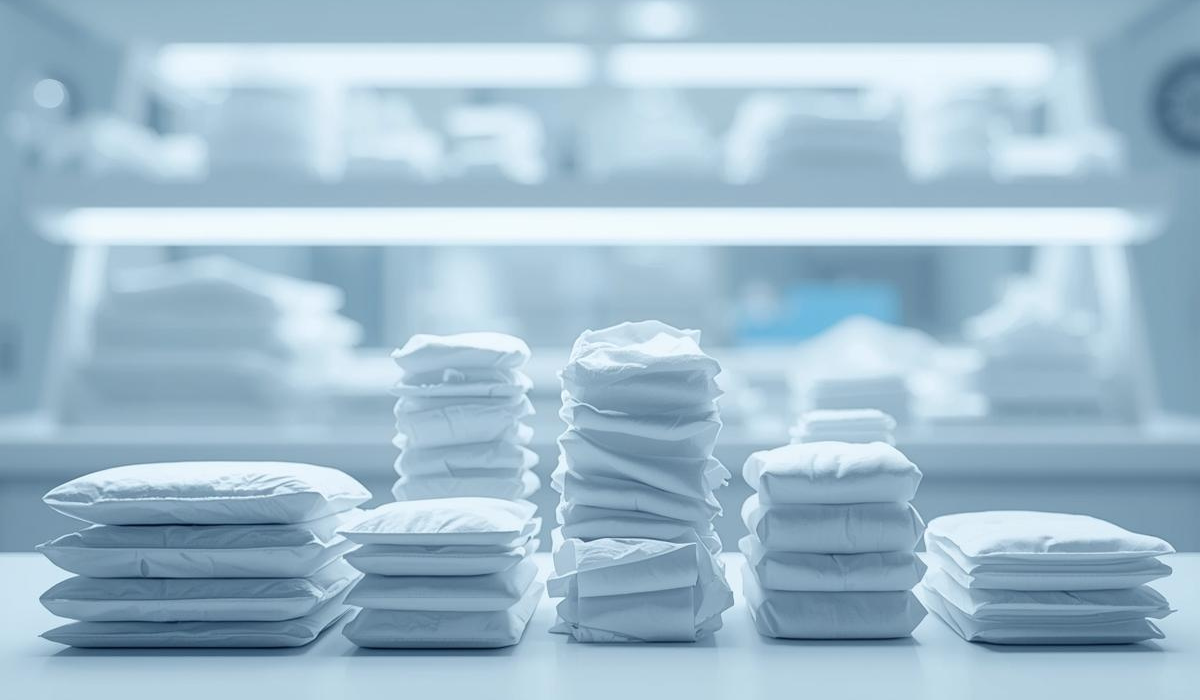
There are several types of cleanroom wipers, each designed for specific applications and risk levels.
Understanding these categories helps match the wiper to the task rather than relying on a single solution for every area.
Nonwoven Cleanroom Wipers
Nonwoven wipers are commonly used for general-purpose cleaning tasks.
They offer good absorbency and are often selected for spill control or surface wiping where lint sensitivity is moderate.
These wipers are typically used in lower ISO classes or in support areas where extreme particle control is not required.
Knit and Woven Cleanroom Wipers
Knit and woven wipers are designed for durability and low particle release.
They are often used in critical environments where surface cleanliness is tightly controlled.
Their structure provides strength and consistency, making them suitable for equipment wipe-downs and controlled manufacturing areas.
Disposable vs Reusable Cleanroom Wipers
Disposable wipers are designed for single use and immediate disposal.
They are favored in environments where contamination risk must be minimized and compliance simplicity is important.
Reusable wipers are intended for repeated use after validated laundering.
They are selected for durability and long-term cost considerations, typically in lower-risk areas where laundering controls are well established.
Different Types of Cleanroom Wiper Materials and Their Uses
Material choice plays a major role in wiper performance.
Different materials behave differently when exposed to solvents, pressure, and sensitive surfaces.
Polyester Cleanroom Wipers
Polyester cleanroom wipers are widely used in controlled environments due to their low particle and fiber release.
They are compatible with many common cleanroom solvents, including IPA, and are suitable for critical applications.
These wipers are often selected for higher ISO classes where cleanliness requirements are strict and consistency is essential.
Cellulose and Blended Materials
Cellulose-based and blended wipers offer higher absorbency but may release more fibers than polyester options.
They are commonly used in applications where liquid absorption is more important than ultra-low particle control.
Blended materials attempt to balance absorbency and cleanliness, but their suitability depends on the cleanroom class and task.
Specialty Materials for Sensitive Applications
Some applications require specialty materials designed for unique challenges, such as aggressive solvents, delicate surfaces, or electrostatic sensitivity.
In these cases, material compatibility testing is essential before routine use.
How ISO Cleanroom Class Impacts Wiper Compatibility
ISO classification defines allowable particle levels within a cleanroom. Wipers must be compatible with these limits to avoid compromising the environment.
ISO Class cleanroom wipers are selected based on their particle release, fiber control, and material behavior.
Higher ISO classes demand stricter control, while lower classes allow more flexibility.
Using a wiper that does not meet ISO requirements can:
- Increase airborne particle counts
- Leave fibers on surfaces
- Trigger audit findings
Matching wiper performance to ISO class helps maintain consistency and prevents unnecessary contamination risks.
Sterile vs Non-Sterile Cleanroom Wipers
Sterility is required in environments where microbial contamination must be controlled, such as aseptic processing and sterile manufacturing.
Sterile cleanroom wipers are processed, packaged, and validated to meet sterility requirements.
They are commonly used in pharmaceutical and biotechnology applications where microbial control is critical.
Non-sterile wipers are suitable for environments where microbial contamination is managed through other controls and sterility is not mandatory.
Pre-Saturated and Use-Specific Cleanroom Wipers
Pre-saturated wipers are designed to deliver consistent chemical application without manual mixing or dispensing.
They help reduce handling steps and support uniform cleaning practices across teams.
Use-specific wipers are tailored for particular tasks such as solvent wiping, surface preparation, or equipment cleaning.
Selecting task-specific wipes improves cleaning efficiency and reduces variability.
Common Mistakes When Choosing Cleanroom Wipers
Facilities often make avoidable mistakes when selecting wiping materials, including:
- Choosing based on cost alone
- Ignoring ISO class compatibility
- Overlooking material and solvent compatibility
- Using one wiper type for all applications
These mistakes can lead to contamination issues, rework, and compliance challenges. A thoughtful selection process prevents these risks.
Working with professional cleanroom construction specialists is necessary, especially when contamination risks are high.
They help facilities avoid risks that are aligned to wiper selection with cleanroom design, ISO classification, and operational requirements.
A thoughtful selection process supported by cleanroom experts ensures wiping materials match the environment and processes.
It also helps in reducing long-term risk and improving overall cleanroom performance.
Conclusion
Cleanroom wipers are not simple cleaning supplies.
They are precision tools that directly support contamination control, regulatory compliance, and process reliability.
Understanding the different types of cleanroom wipers, the materials they are made from, and how they align with ISO class requirements helps facilities reduce risk and improve consistency.
When selected and used correctly, cleanroom wipers support cleaner environments, smoother audits, and more reliable operations over time.
Selecting the right cleanroom wipers requires more than comparing products.
It requires an understanding of cleanroom classification, material compatibility, and contamination risks.
If you need help choosing cleanroom wipers that align with your ISO requirements and operational needs, consult with cleanroom specialists who understand both cleanroom design and contamination control.
The right guidance can help ensure compliance, protect your processes, and support long-term cleanroom performance.
Frequently Asked Questions
What’s the difference between ISO Class 3-4 and ISO Class 5-7 cleanroom wipers?
Wipers rated for ISO Class 3-4 environments are manufactured and packaged to stricter particle-release standards, since these are the cleanest, most tightly controlled spaces in a facility. ISO Class 5-7 wipers are built for slightly less stringent environments and often offer more flexibility in material and cost. Using a wiper rated for a lower class in a higher-class environment can introduce particles the space isn’t designed to tolerate.
What are twill jean cleanroom wipers used for?
Twill jean wipers are a heavier-duty, more abrasion-resistant option, typically used for tougher wiping tasks like removing stubborn residue or heavier soil where a standard nonwoven or knit wiper wouldn’t hold up. They’re generally reserved for support areas and less particle-sensitive applications rather than the most tightly controlled cleanroom zones.
What are use-specific cleanroom wipers?
Use-specific wipers are designed and validated for a single task, such as solvent application, surface preparation, or equipment cleaning, rather than general-purpose use. Choosing a wiper matched to the specific task, instead of relying on one wiper type for everything, reduces variability and supports more consistent cleaning outcomes.
Are cleanroom wipers edge-sealed or laser-cut, and does it matter?
Yes, and it matters more than it might seem. Cut edges on a standard wiper can shed loose fibers, which defeats the purpose of using a cleanroom-rated product in the first place. Sealed or laser-cut edges fuse the fibers at the border, significantly reducing shedding. For particle-sensitive applications, edge treatment should be checked alongside material and ISO class when selecting a wiper.
How should cleanroom wipers be packaged and stored?
Cleanroom wipers are typically packaged in controlled environments and often double-bagged, so the outer bag can be removed before the product enters the cleanroom without contaminating the inner, sterile packaging. Wipers should be stored in a clean, dry area and kept sealed until use, since exposure to uncontrolled air before use can undermine the cleanliness the manufacturing process was designed to protect.
What size cleanroom wiper do I need?
Wiper size depends on the task and the surface being cleaned. Common sizes include 9×9 inches for general equipment wiping and smaller tasks, and larger formats like 9×11 or 12×12 inches for bigger surfaces or more efficient coverage per wipe. Facilities often stock more than one size to match different cleaning tasks rather than using a single size for everything.
How much do cleanroom wipers cost, and does price indicate quality?
Cost varies based on material, ISO class rating, sterility, and whether the wiper is disposable or reusable. Choosing the cheapest available option without checking ISO class compatibility and material suitability is one of the most common mistakes facilities make, since a lower-cost wiper that doesn’t meet the environment’s requirements can lead to contamination issues or audit findings that cost far more to correct than the wiper savings were worth.