
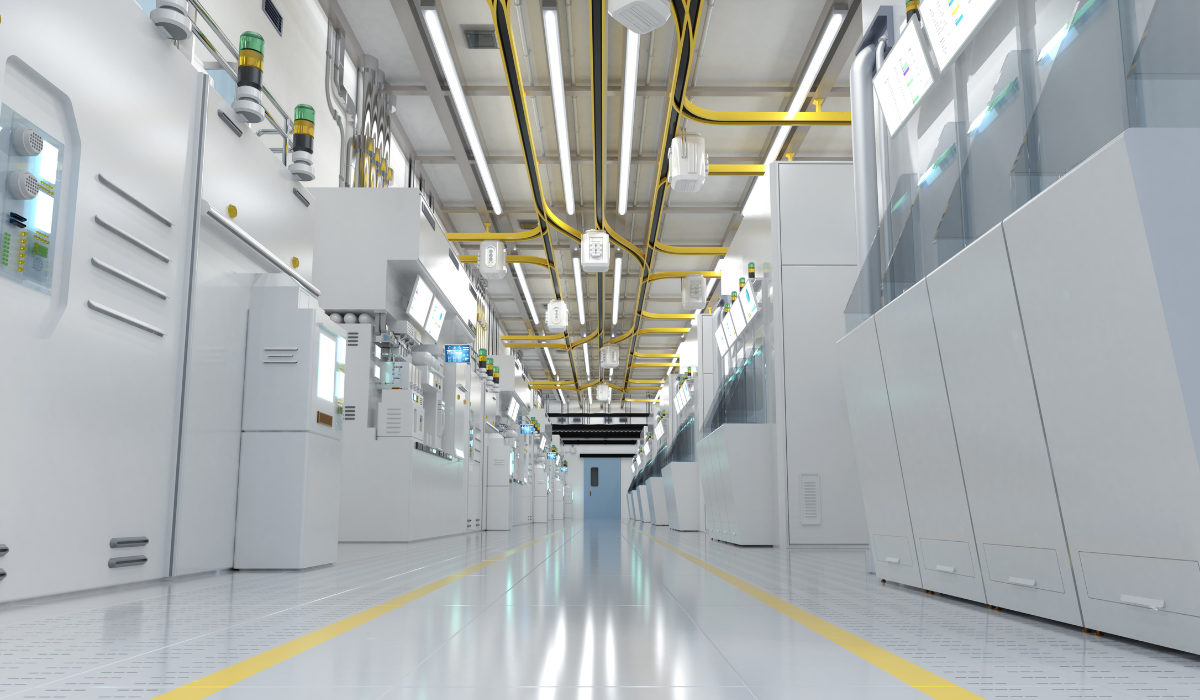
Cleanroom flooring is one of the most critical components in any controlled environment, directly influencing contamination control, compliance, and operational performance.
From pharmaceutical manufacturing to semiconductor fabrication, the right flooring system supports cleanliness standards, ensures safety, and enhances long-term durability.
Unlike conventional industrial surfaces, cleanroom flooring systems are engineered to meet strict ISO cleanroom flooring standards and GMP flooring requirements.
They are seamless, non-porous, and resistant to chemicals, abrasion, and microbial growth.
Selecting the appropriate cleanroom floor types is essential to maintain environmental integrity and regulatory compliance.
What Is Cleanroom Flooring?
Cleanroom flooring refers to specialized flooring systems designed for environments where airborne particles, static discharge, and microbial contamination must be strictly controlled.
These floors are constructed to prevent dust accumulation, resist harsh cleaning chemicals, and maintain structural integrity under demanding conditions.
Core Performance Characteristics of High-Performance Cleanroom Flooring Systems
High-performance cleanroom flooring systems are designed to meet rigorous environmental, operational, and regulatory demands.
Each performance element contributes directly to contamination control, safety, and long-term durability.
Seamless Construction to Eliminate Dirt Traps
Seamless cleanroom floors remove joints, cracks, and grout lines where particles, dust, and microbes can accumulate.
This continuous surface design significantly improves cleanability and reduces contamination risks.
Seamless construction is especially critical in pharmaceutical cleanroom flooring where sterility must be maintained consistently.
Chemical Resistant Cleanroom Floors for Aggressive Cleaning Protocols
Chemical resistant cleanroom floors are engineered to withstand harsh disinfectants, sterilization agents, and repeated sanitation cycles.
In environments governed by GMP flooring requirements, flooring materials must not degrade or absorb chemicals over time.
Resin-based systems such as epoxy and polyurethane are commonly used to ensure long-term resistance.
Anti-Static Flooring Systems to Manage Electrostatic Discharge
Anti-static flooring systems are essential in environments where electrostatic discharge can damage products or equipment.
ESD flooring for cleanrooms safely dissipates static charges, protecting sensitive electronics and maintaining compliance with ISO cleanroom flooring standards in semiconductor and electronics facilities.
Hygienic Industrial Flooring Surfaces for Easy Sanitization
Hygienic industrial flooring is non-porous and smooth, preventing microbial growth and allowing efficient cleaning.
These surfaces are designed to support strict sanitation procedures without compromising structural integrity.
This feature is vital in medical device manufacturing and biotechnology operations.
Durable Materials That Withstand Heavy Equipment and Traffic
Cleanroom flooring systems must support heavy machinery, rolling loads, and constant foot traffic without cracking or delaminating.
High-performance resin materials provide mechanical strength while maintaining contamination control standards. Durability reduces lifecycle costs and minimizes operational downtime.
Why Cleanroom Flooring Is Essential in Controlled Environments
Contamination Control and Particle Management
Seamless cleanroom floors reduce joints and crevices where contaminants can accumulate.
In pharmaceutical cleanroom flooring applications, maintaining sterility is essential to protect product integrity and patient safety.
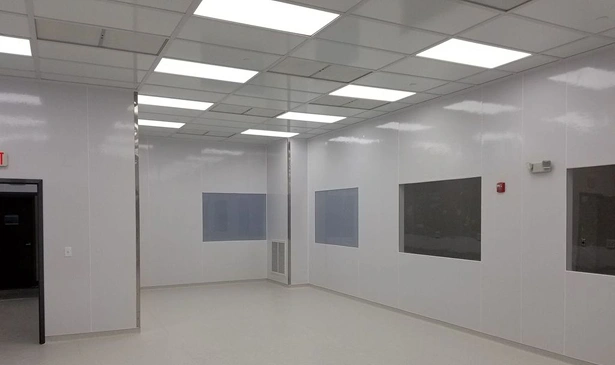
Flooring directly influences airflow patterns and surface cleanliness, contributing to compliance with ISO classifications.
Regulatory Compliance and Standards
Facilities operating under ISO cleanroom flooring standards and GMP flooring requirements must ensure that flooring materials support hygiene and durability.
Regulatory bodies require surfaces that can endure frequent sanitization without degrading. Improper flooring can lead to contamination risks and audit failures.
Operational Safety and ESD Protection
In electronics and semiconductor environments, ESD flooring for cleanrooms plays a crucial role in preventing electrostatic damage to sensitive components.
Anti-static flooring systems help dissipate charges safely, minimizing product loss and safety hazards.
Types of Cleanroom Flooring Systems
Understanding the various cleanroom floor types helps facility managers choose the best solution for their operational needs.
Epoxy Cleanroom Flooring
Epoxy cleanroom flooring is one of the most widely used solutions in controlled environments. It offers:
- Seamless installation
- High chemical resistance
- Strong adhesion to substrates
- Excellent durability under heavy loads
Epoxy systems are commonly used in pharmaceutical cleanroom flooring due to their smooth finish and resistance to aggressive disinfectants.
Polyurethane Cleanroom Flooring
Polyurethane cleanroom flooring provides enhanced flexibility and thermal shock resistance.
It is ideal for environments with fluctuating temperatures or heavy impact exposure.
Compared to epoxy, polyurethane systems offer better resilience in food processing and biotech facilities.
Vinyl Cleanroom Flooring
Vinyl cleanroom flooring is a cost-effective option for lower-classification environments.
While not as seamless as resin systems, high-quality vinyl installations can still support contamination control when properly maintained.
ESD Flooring for Cleanrooms
ESD flooring for cleanrooms is essential in electronics manufacturing. Conductive and dissipative flooring materials are integrated to prevent electrostatic buildup.
These anti-static flooring systems protect sensitive microcomponents and ensure regulatory compliance.
Seamless Resin-Based Cleanroom Floors
Seamless resin-based cleanroom floors are considered premium solutions for high-performance facilities.
These systems integrate multiple resin layers to form a continuous, hygienic surface. They are widely used in ISO-classified environments where contamination tolerance is minimal.
Cleanroom Flooring Installation Process
Proper cleanroom flooring installation ensures long-term durability and regulatory compliance.
Surface Preparation
Substrate evaluation is the first step. Moisture testing, crack repair, and leveling are critical to ensure adhesion.
Professional installation teams understand how preparation affects system longevity.
Application and Integration
Multi-layer resin applications are installed systematically. Seamless coved skirting integrates the wall-to-floor transition, eliminating contamination-prone joints.
This design improves sanitation and meets hygienic industrial flooring standards.
Validation and Testing
Post-installation testing includes adhesion verification and surface conductivity evaluation for ESD flooring for cleanrooms.
These validation procedures confirm compliance with ISO cleanroom flooring standards and project specifications.
Applications of Cleanroom Flooring Across Industries
Cleanroom flooring systems are engineered to perform in highly regulated environments where contamination control, chemical resistance, and structural durability are essential.
Different industries impose unique operational demands, ranging from strict sterility protocols to electrostatic discharge protection and heavy mechanical loads.
Due to these variations, selecting the right cleanroom floor types requires a clear understanding of industry-specific standards, environmental stressors, and compliance requirements.
Whether supporting sterile pharmaceutical production or precision electronics manufacturing, cleanroom flooring serves as a foundational element of environmental integrity.
Seamless construction, hygienic industrial flooring materials, and anti-static flooring systems are carefully integrated to align with ISO cleanroom flooring standards and GMP flooring requirements.
Below are key industries where specialized cleanroom flooring installation plays a critical role in operational success and regulatory compliance.
Pharmaceutical and Biotechnology Facilities
Pharmaceutical cleanroom flooring must meet strict GMP flooring requirements.
Seamless, chemical resistant cleanroom floors ensure sterility and withstand repeated sanitization cycles.
Semiconductor and Electronics Manufacturing
Anti-static flooring systems are mandatory to control electrostatic discharge.
ESD flooring for cleanrooms protects sensitive equipment and improves production reliability.
Aerospace and Advanced Manufacturing
Durable cleanroom flooring systems support heavy machinery while maintaining contamination control.
Medical Device Production
Medical manufacturing environments require hygienic industrial flooring that resists microbial growth and chemical exposure.
Food and Beverage Processing
Polyurethane cleanroom flooring performs well in moisture-prone environments due to its thermal and chemical resistance.
Maintenance and Longevity of Cleanroom Flooring
Maintaining cleanroom flooring systems ensures sustained compliance and operational efficiency.
Routine cleaning with approved agents prevents surface degradation. Regular inspections identify wear or damage before contamination risks increase.
Long-term lifecycle planning minimizes downtime and replacement costs.
When properly maintained, epoxy cleanroom flooring and polyurethane cleanroom flooring can deliver decades of reliable performance.
Why Choose the Right Cleanroom Floor Types
Selecting the appropriate cleanroom floor types requires evaluating:
- ISO classification requirements
- Chemical exposure levels
- Need for anti-static flooring systems
- Mechanical load demands
- Budget and lifecycle considerations
At UltraPure Technology, we have experienced professionals to ensure that your cleanroom flooring installation meets industry-specific compliance standards.
Future Trends in Cleanroom Flooring Systems
Innovations in cleanroom flooring systems include low-VOC resin materials, antimicrobial additives, and improved chemical resistant cleanroom floors.
Sustainability and enhanced durability continue to shape flooring design across regulated industries.
Advanced seamless cleanroom floors now integrate performance monitoring capabilities, helping facilities track environmental conditions and improve maintenance strategies.
Conclusion
Cleanroom flooring is far more than a structural surface, it is the foundation of contamination control, compliance, and operational safety.
From epoxy cleanroom flooring to advanced seamless resin systems, each solution must align with ISO cleanroom flooring standards and GMP flooring requirements.
Choosing the right cleanroom flooring systems ensures durability, hygiene, and long-term performance across pharmaceutical, semiconductor, and advanced manufacturing environments.
Request Expert Cleanroom Flooring Solutions
At Cleanroom Industries, we design and implement high-performance cleanroom flooring systems tailored to your facility’s ISO classification and operational needs.
Our team ensures precise cleanroom flooring installation, compliance validation, and long-term reliability.
Contact our specialists today to discuss your project requirements and discover the optimal cleanroom flooring solution for your controlled environment.
Frequently Asked Questions
What makes cleanroom flooring different from standard industrial flooring?
Cleanroom flooring is specifically engineered to minimize contamination risks. Unlike traditional floors, it features seamless construction, non-porous materials, and chemical resistance. These properties support strict sanitation protocols and compliance with ISO cleanroom flooring standards.
Which industries require specialized cleanroom flooring systems?
Industries such as pharmaceuticals, biotechnology, semiconductor manufacturing, aerospace, and medical device production rely on cleanroom flooring systems. These environments demand strict particle control and hygienic industrial flooring solutions to maintain product integrity.
Is epoxy cleanroom flooring suitable for pharmaceutical facilities?
Yes, epoxy cleanroom flooring is widely used in pharmaceutical cleanroom flooring applications. Its seamless design, chemical resistance, and durability make it compliant with GMP flooring requirements and capable of withstanding frequent sanitization.
When is polyurethane cleanroom flooring preferred over epoxy?
Polyurethane cleanroom flooring is preferred in environments with temperature fluctuations or heavy impact exposure. Its flexibility and thermal resistance make it ideal for food processing and biotech facilities.
Why is ESD flooring important in cleanrooms?
ESD flooring for cleanrooms prevents electrostatic discharge that can damage sensitive electronics. Anti-static flooring systems dissipate electrical charges safely, protecting both products and personnel.
How long does cleanroom flooring installation take?
The timeline depends on the selected cleanroom floor types and substrate condition. Proper surface preparation, resin curing, and validation testing are essential to ensure long-term performance and compliance.
Are vinyl cleanroom flooring options reliable?
Vinyl cleanroom flooring can be suitable for lower-classification cleanrooms. While not as seamless as resin systems, high-quality vinyl installations still support contamination control when maintained properly.
How do seamless cleanroom floors improve hygiene?
Seamless cleanroom floors eliminate joints and cracks where contaminants can accumulate. This design enhances cleanability and reduces microbial growth, supporting regulatory compliance.
What maintenance is required for cleanroom flooring systems?
Regular cleaning with approved agents, periodic inspections, and timely repairs are essential. Maintaining chemical resistant cleanroom floors ensures durability, regulatory compliance, and extended lifecycle performance.
