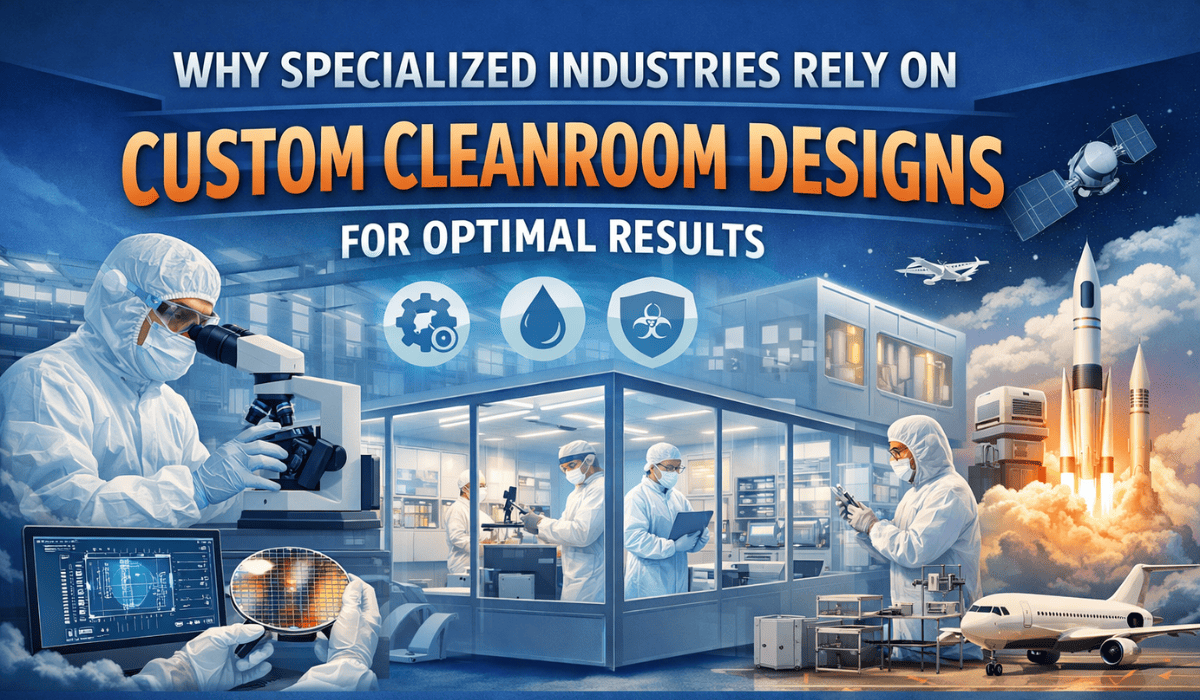
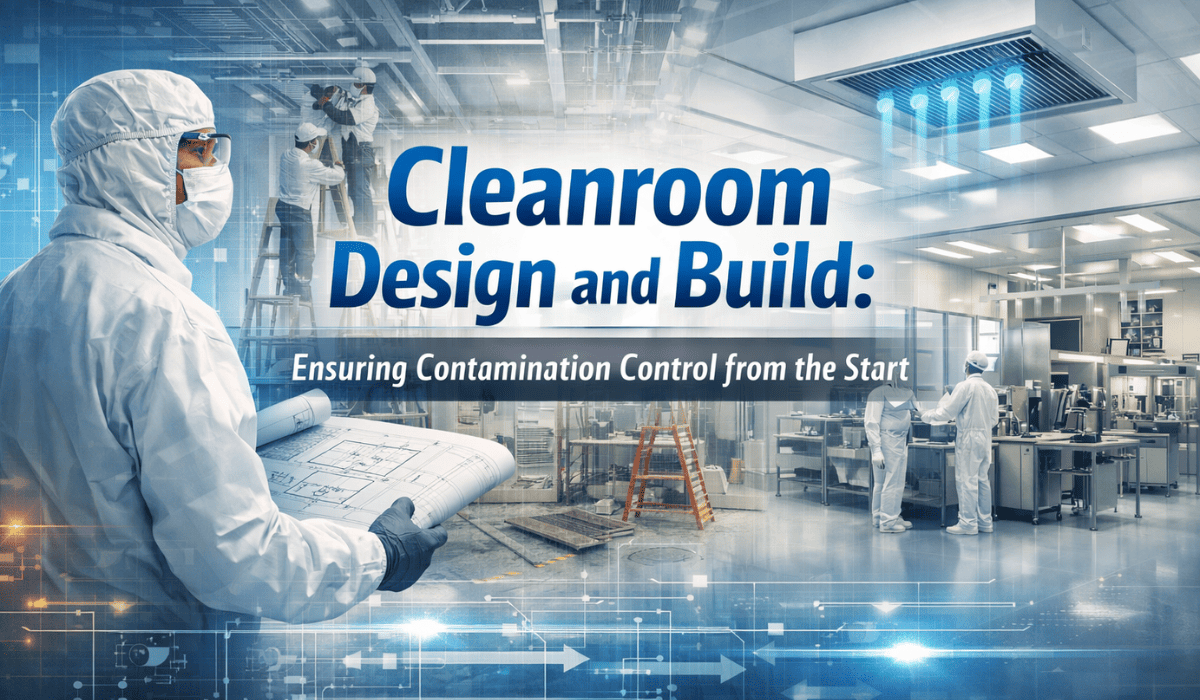
Cleanrooms are highly controlled environments designed to minimize contamination and maintain stable environmental conditions.
These facilities are essential for processes that require strict control over airborne particles, temperature, humidity, and pressure.
Because even the smallest contaminants can affect operations, the planning and construction of cleanrooms must follow precise engineering and architectural principles.
A successful cleanroom design and build process begins long before construction starts.
It requires careful planning, engineering coordination, and detailed environmental analysis to ensure that contamination control is built into the facility from the very beginning.
Organizations that invest in professional cleanroom design and construction services benefit from facilities that operate more efficiently, meet regulatory requirements, and maintain stable environmental conditions.
Proper cleanroom designing ensures that every component of the facility from airflow systems to room layout supports contamination control and operational efficiency.
In this article, we will explore how the cleanroom design build process works, the key principles behind controlled environment facilities, and why proper cleanroom design construction is essential for long-term performance and reliability.
What Cleanroom Design and Build Means
The cleanroom design and build approach combines facility planning, engineering design, and construction into a coordinated process.
Instead of separating the design phase from the construction phase, both elements are integrated so that engineers, architects, and construction teams work together throughout the project.
This integrated approach improves project coordination and ensures that technical requirements such as airflow management, filtration systems, and pressure control are properly incorporated into the facility design.
Cleanrooms require precise environmental control systems. By aligning design and construction teams early in the process, potential conflicts between structural design and environmental systems can be avoided.
The cleanroom design build method also helps organizations maintain project efficiency while ensuring that critical design elements are not compromised during construction.
Why Cleanroom Design Build Projects Are Important
Cleanroom facilities involve multiple engineering systems working together.
These include HVAC systems, filtration equipment, monitoring systems, and structural components that support contamination control.
A coordinated cleanroom design and construction process ensures that all of these systems operate together effectively.
Without proper coordination, facilities may experience issues such as:
- Improper airflow patterns
- Unstable pressure control
- Inefficient filtration performance
- Difficult equipment installation
These issues can affect cleanroom performance and lead to expensive modifications later.
Integrating cleanroom design construction into a unified process helps avoid these problems and supports long-term facility reliability.
Key Principles of Cleanroom Designing
Effective cleanroom performance depends on a series of carefully planned design principles that support contamination control throughout the facility.
Cleanrooms are not simply enclosed spaces with filtration systems; they are engineered environments where every component must work together to maintain consistent air quality and stable environmental conditions.
During the cleanroom design and build process, engineers and designers evaluate how airflow, pressure control, filtration systems, and facility layout interact to reduce contamination risks.
Proper cleanroom design and construction requires a detailed understanding of how contaminants move through air and across surfaces.
Even small design decisions, such as equipment placement or room transitions, can influence how particles behave inside the facility.
By focusing on these technical details early in the planning phase, professionals involved in cleanroom designing can develop controlled environments that maintain reliable contamination control.
The following principles highlight some of the most important considerations used in cleanroom design build projects to ensure that cleanroom environments operate effectively and maintain stable performance.
Contamination Control as the Core Objective
The main purpose of any cleanroom is to reduce contamination within the controlled environment.
Effective cleanroom designing focuses on preventing airborne particles and contaminants from entering or accumulating in the workspace.
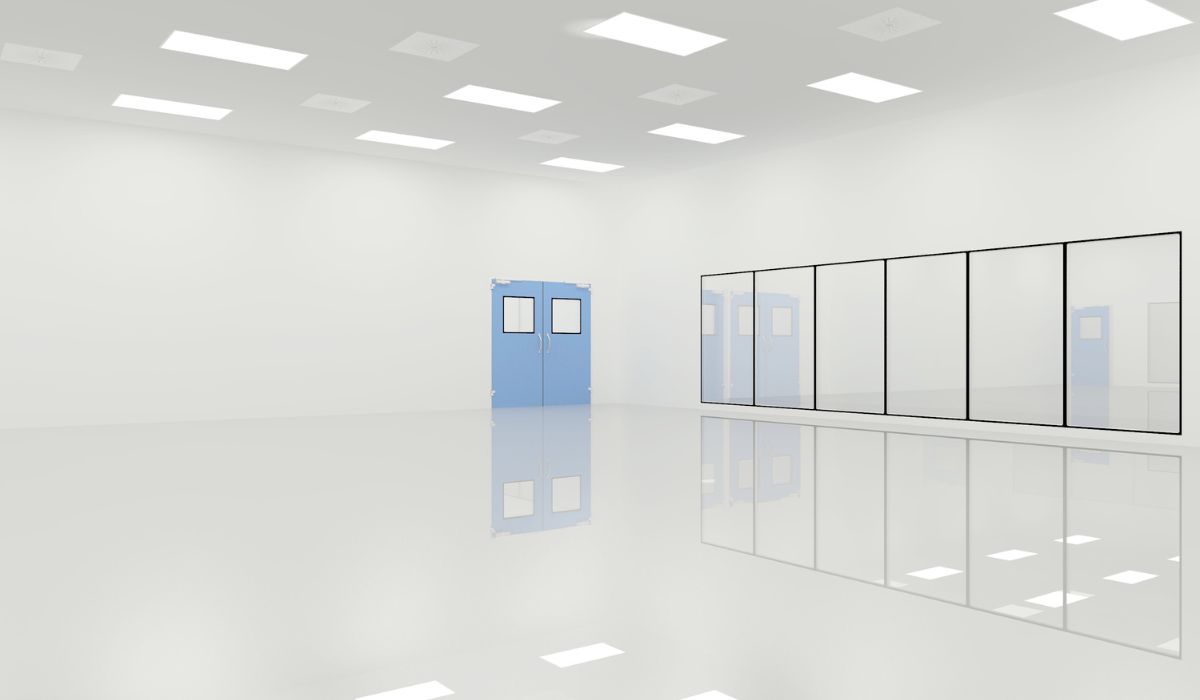
To achieve this goal, cleanroom designers consider several critical factors including airflow direction, filtration efficiency, room pressurization, and controlled personnel movement.
Every element of the facility must contribute to contamination control. Even small design details such as door placement or equipment layout can influence how contaminants move within the space.
Proper cleanroom design and build planning ensures that contamination control strategies are integrated into the facility structure from the beginning.
Airflow Management
Airflow control is one of the most important aspects of cleanroom design and construction. Cleanrooms rely on controlled airflow patterns to remove airborne particles from the workspace.
Air enters the cleanroom through specialized filtration systems and flows through the room in a controlled pattern. This airflow helps carry particles away from sensitive work areas.
Engineers carefully design airflow patterns to ensure that air moves consistently throughout the cleanroom without creating areas where particles can accumulate.
Effective airflow management is essential for maintaining stable contamination control within the cleanroom environment.
Pressure Control Between Rooms
Pressure differentials between rooms help prevent contaminants from moving into clean areas. Cleanrooms typically maintain higher air pressure compared to surrounding spaces.
This pressure difference causes air to flow outward rather than allowing contaminated air to enter the controlled environment.
Proper pressure control is a critical component of cleanroom design build projects.
Engineers must carefully calculate pressure levels and airflow volumes to maintain stable environmental conditions.
The Cleanroom Design and Construction Process
Designing and constructing a cleanroom requires a structured process that carefully aligns engineering, architecture, and operational planning.
The cleanroom design and build process typically begins with understanding how the facility will function and what environmental standards it must maintain.
As cleanrooms rely on precise control of airflow, pressure, and filtration, every stage of planning must consider how these systems will support contamination control and daily operations.
During cleanroom design and construction, engineers and facility planners collaborate to determine the best layout, infrastructure systems, and environmental control strategies.
This collaboration ensures that the cleanroom supports efficient workflows while maintaining stable controlled conditions.
From early planning through final installation, each step in the cleanroom design construction process focuses on creating an environment where contamination risks are minimized and operational efficiency is maintained.
The following stages outline the key elements involved in developing a reliable cleanroom facility through a coordinated cleanroom design build approach.
Initial Planning and Requirement Analysis
The first stage of cleanroom design and build involves identifying the operational requirements of the facility.
Engineers and designers work closely with facility planners to understand how the cleanroom will be used.
Key planning considerations include:
- Cleanroom classification requirements
- Equipment placement
- Personnel workflows
- Environmental control levels
Understanding these factors allows engineers to develop a design that supports both contamination control and operational efficiency.
Proper planning during the early stages of cleanroom design construction helps prevent design changes later in the project.
Layout and Space Planning
Cleanroom layouts must be carefully designed to support safe and efficient workflows. The facility layout determines how personnel and materials move through the cleanroom environment.
Important layout elements include:
- Entry and gowning areas
- Airlocks
- Material transfer zones
- Work areas and equipment placement
These zones help separate clean areas from transitional spaces and reduce contamination risks.
During cleanroom designing, engineers also ensure that the layout supports proper airflow patterns and environmental control systems.
Infrastructure and Engineering Systems
Cleanrooms require specialized infrastructure to maintain stable environmental conditions.
During cleanroom design and construction, engineers design systems that control airflow, temperature, humidity, and pressure.
These systems typically include:
- Air handling units
- HVAC systems
- Filtration equipment
- Environmental monitoring systems
Electrical and mechanical systems must also be integrated into the facility design so that equipment can operate without disrupting cleanroom conditions.
Proper coordination between engineering systems is essential for successful cleanroom design build projects.
Types of Cleanrooms Used in Facility Design
Different types of cleanrooms are used depending on the operational requirements, available space, and level of environmental control needed.
During the cleanroom design and build process, engineers evaluate structural options to determine which cleanroom system best supports contamination control and facility efficiency.
Modular Cleanrooms
Modular cleanrooms are constructed using prefabricated wall panels and structural components.
These systems are assembled on-site and can be adapted to fit different facility layouts.
Modular systems offer flexibility and can be expanded or modified if operational needs change.
Many cleanroom design and build projects use modular cleanrooms because they allow faster installation and easier facility expansion.
Hardwall Cleanrooms
Hardwall cleanrooms use rigid wall panels that provide strong structural stability and long-term durability.
These systems are often selected for permanent facilities where strict contamination control is required.
Hardwall cleanrooms are commonly integrated into large-scale cleanroom design and construction projects because they offer stable environmental performance.
Softwall Cleanrooms
Softwall cleanrooms use flexible curtain materials supported by structural frames.
These systems are often used for smaller controlled environments or temporary applications.
Although softwall systems provide less structural rigidity, they can still support effective contamination control when properly integrated into the cleanroom design build process.
Materials Used in Cleanroom Design Construction
Selecting the right materials is an important part of cleanroom design and construction, as every surface must support contamination control and maintain a clean, durable environment.
Cleanroom-Compatible Surfaces
Materials used in cleanroom facilities must support contamination control. Surfaces must resist particle accumulation and allow easy cleaning.
Common materials used in cleanroom design construction include:
- Stainless steel
- Non-porous wall panels
- Epoxy flooring systems
- Cleanroom ceiling grids
These materials help maintain a clean environment while supporting long-term durability.
Flooring Systems
Flooring systems play an important role in maintaining contamination control.
Seamless flooring systems are commonly used in cleanroom design and build projects because they eliminate gaps where contaminants may accumulate.
Durable flooring also supports heavy equipment and continuous facility operations.
Cleanroom Testing and Validation
Performance Testing
After construction is complete, cleanrooms must undergo performance testing to verify that environmental conditions meet required standards.
Testing procedures may include:
- Airflow visualization
- Particle count measurements
- Pressure differential testing
- Filtration efficiency verification
These tests confirm that the cleanroom design and build process has produced a facility capable of maintaining contamination control.
Commissioning the Facility
Commissioning is the final stage of cleanroom design construction.
During this process, engineers verify that all mechanical systems operate correctly and that the cleanroom environment remains stable during operation.
Commissioning ensures that the facility is ready for full operational use.
Benefits of Professional Cleanroom Design and Build Services
Integrated Engineering Expertise
Professional cleanroom design and build services bring together engineers, architects, and environmental specialists who understand the complexities of controlled environments.
This collaboration ensures that cleanroom facilities are designed to meet strict performance requirements.
Improved Project Coordination
Combining design and construction within a single project framework improves communication between teams.
This coordination reduces delays and prevents design conflicts during construction.
Long-Term Operational Reliability
Facilities developed through professional cleanroom design and construction processes are more reliable and require fewer modifications over time.
Careful cleanroom designing by the UltraPure Technology ensures that systems operate efficiently and maintain contamination control for years.
Conclusion
Creating an effective cleanroom facility requires careful planning, engineering expertise, and precise construction practices.
The design and build approach of a cleanroom integrates all stages of facility development to ensure that contamination control is built into the project from the start.
By coordinating architectural planning, engineering systems, and construction processes, organizations can develop cleanroom environments that support stable operations and reliable environmental control.
From airflow management and filtration systems to facility layout and infrastructure design, every element of cleanroom design construction contributes to maintaining controlled conditions.
When these elements are planned and executed correctly, cleanrooms provide dependable environments that support critical operations while maintaining long-term performance and efficiency.
Frequently Asked Questions
What is cleanroom design and build?
Cleanroom design and build is a process that combines planning, engineering, and construction to create controlled environments that minimize contamination. This approach ensures that airflow, filtration, and environmental controls are integrated from the beginning of the project. By coordinating design and construction together, facilities can maintain better contamination control and operational efficiency.
Why is cleanroom design important for contamination control?
Cleanroom design plays a major role in preventing particles, microbes, and other contaminants from entering sensitive environments. Proper cleanroom designing ensures that airflow patterns, filtration systems, and room layouts work together to remove contaminants. When these elements are carefully planned, the cleanroom can maintain stable environmental conditions and reliable performance.
What is the difference between cleanroom design and construction?
Cleanroom design focuses on planning the layout, airflow systems, filtration technology, and environmental control features of the facility. Cleanroom construction is the process of building and installing the systems designed during the planning stage. Together, cleanroom design and construction ensure that the facility meets contamination control and operational requirements.
What factors are considered during cleanroom designing?
Cleanroom designing involves several factors including airflow direction, pressure control, filtration systems, and personnel movement within the facility. Designers must also consider equipment placement, material transfer areas, and environmental monitoring systems. All of these elements work together to maintain controlled conditions inside the cleanroom.
What is the cleanroom design build approach?
The cleanroom design build approach integrates engineering design and construction into a single coordinated process. This method allows engineers and construction teams to work together throughout the project. By combining these phases, potential design conflicts can be avoided and the cleanroom can be built more efficiently.
What types of cleanrooms are commonly used in facilities?
Cleanrooms can be designed in several structural formats including modular cleanrooms, hardwall cleanrooms, and softwall cleanrooms. Each type offers different levels of structural stability and flexibility depending on the facility’s needs. The choice depends on factors such as operational requirements, available space, and environmental control levels.
How do airflow systems work in cleanroom environments?
Airflow systems play a critical role in cleanroom design and build projects by controlling how air moves within the facility. Filtered air enters the cleanroom and flows in a controlled direction to remove airborne particles. This airflow helps maintain consistent contamination control and stable environmental conditions.
What materials are used in cleanroom design construction?
Materials used in cleanroom design construction must be durable, non-porous, and easy to clean. Common materials include stainless steel surfaces, epoxy flooring systems, specialized wall panels, and sealed ceiling systems. These materials help reduce particle accumulation and support long-term cleanliness.
Why is testing and validation required for cleanrooms?
After construction is completed, cleanrooms must undergo testing and validation to confirm that environmental conditions meet required standards. This process verifies airflow performance, filtration efficiency, and pressure control. Testing ensures the cleanroom operates as intended and maintains contamination control.
How does professional cleanroom design and construction improve facility performance?
Professional cleanroom design and construction services ensure that engineering systems, facility layout, and environmental controls work together effectively. This integrated approach reduces operational issues and improves system reliability. Well-designed cleanrooms maintain stable conditions and support long-term facility performance.