
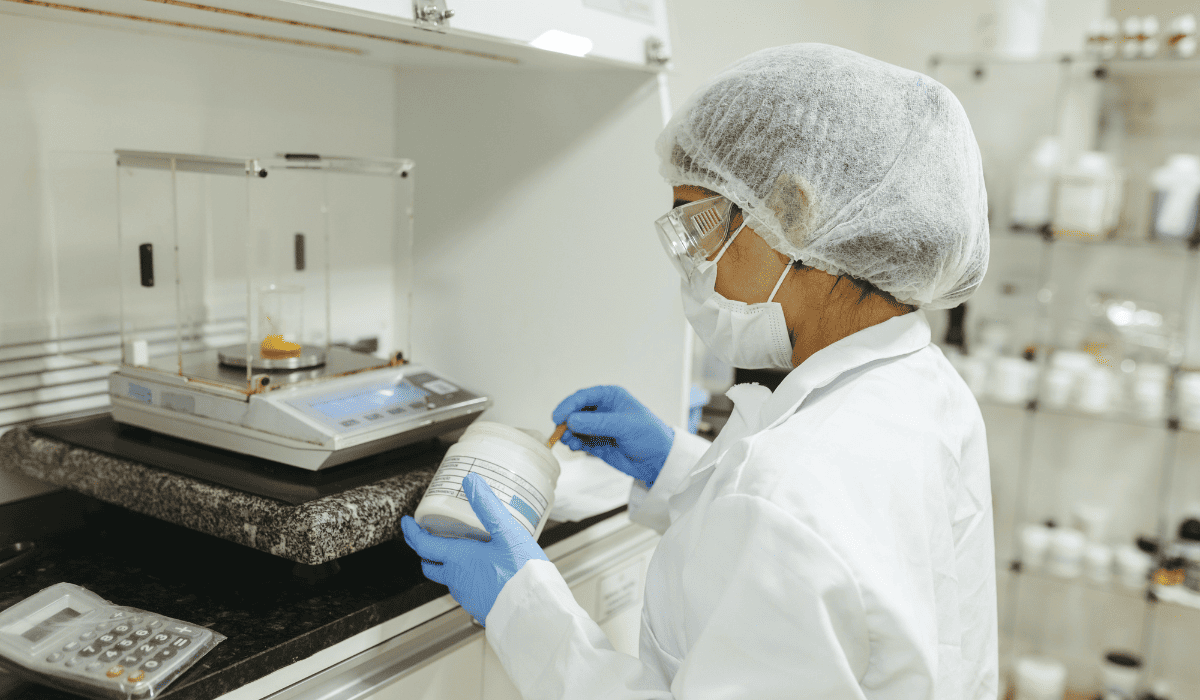
Pharmaceutical cleanrooms are critical to ensuring the safety, efficacy, and sterility of drug production environments.
These highly controlled spaces are essential in pharmaceutical manufacturing, where contamination could compromise product integrity and safety.
With growing demands for more advanced medications, the cleanroom pharma industry is continuously evolving, facing challenges related to contamination control, environmental management, and regulatory compliance.
In this post, we will explore what pharmaceutical cleanrooms are, the challenges they face, the solutions available, and why they are indispensable in ensuring high-quality products.
What Are Pharmaceutical Cleanrooms?
Pharmaceutical cleanrooms are specialized environments designed to control particulate contamination, temperature, humidity, and pressure in manufacturing processes, especially in industries where sterility is critical, such as drug production.
These controlled environments are classified according to ISO standards, depending on the cleanliness level required for specific processes.
The Importance of Pharmaceutical Cleanrooms
These cleanrooms are crucial for maintaining the quality and safety of pharmaceutical products, especially for products like vaccines, biologics, and sterile injectables.
Without the appropriate level of cleanliness and environmental control, these products could be contaminated, leading to potential health risks for patients.
Key Components of Pharmaceutical Cleanrooms
Pharmaceutical cleanrooms include advanced air filtration systems, temperature and humidity controls, and strict contamination protocols.
These features ensure that the cleanroom maintains a sterile and regulated environment that adheres to regulatory standards like Good Manufacturing Practices (GMP).
The Importance of Cleanrooms in Pharmaceutical Manufacturing
Pharmaceutical cleanrooms play a vital role in the entire drug production process, from raw material handling to final product packaging.
Cleanrooms provide a controlled atmosphere where air quality, particulate levels, and humidity are strictly managed, ensuring the manufacturing process remains free from contamination.
Aseptic Manufacturing
For aseptic production, cleanrooms maintain environments where no viable microorganisms can survive.
They are indispensable in processes like filling vials or syringes with sterile products, making sure that no microbial contamination takes place during production.
Compliance with Regulations
Pharmaceutical cleanrooms also ensure compliance with rigorous regulatory standards.
Regulatory bodies like the FDA, EMA, and others require pharmaceutical manufacturers to meet strict cleanliness and sterilization requirements during production, testing, and packaging phases.
Challenges in Pharmaceutical Cleanrooms
Despite their importance, maintaining pharmaceutical cleanrooms comes with its set of challenges. Here are some of the most common obstacles:
Contamination Control
One of the primary challenges in pharmaceutical cleanrooms is preventing contamination.
Sources of contamination can include airborne particles, human intervention, and even equipment.
Strict protocols must be followed to prevent contamination at every stage of production.
Meeting Stringent Standards
Pharmaceutical cleanrooms must meet ISO and GMP standards, which can often be difficult to maintain.
With constant changes in regulations and evolving industry practices, staying compliant can be time-consuming and costly.
Manufacturers must continuously update their cleanroom operations to meet these standards.
Maintaining Environmental Control
Proper temperature, humidity, and airflow are essential to maintaining the integrity of the cleanroom.
Any fluctuations in these environmental factors can result in product defects or contamination, making it essential to have automated systems in place to monitor and control the environment.
Technologies and Solutions for Pharmaceutical Cleanrooms
Advancements in technology have led to significant improvements in pharmacy cleanroom operations.
These innovations aim to enhance cleanliness, control contamination, and improve compliance. Here are some of the key solutions available:
HEPA and ULPA Filtration Systems
High-Efficiency Particulate Air (HEPA) and Ultra-Low Particulate Air (ULPA) filtration systems are integral to pharmaceutical cleanrooms.
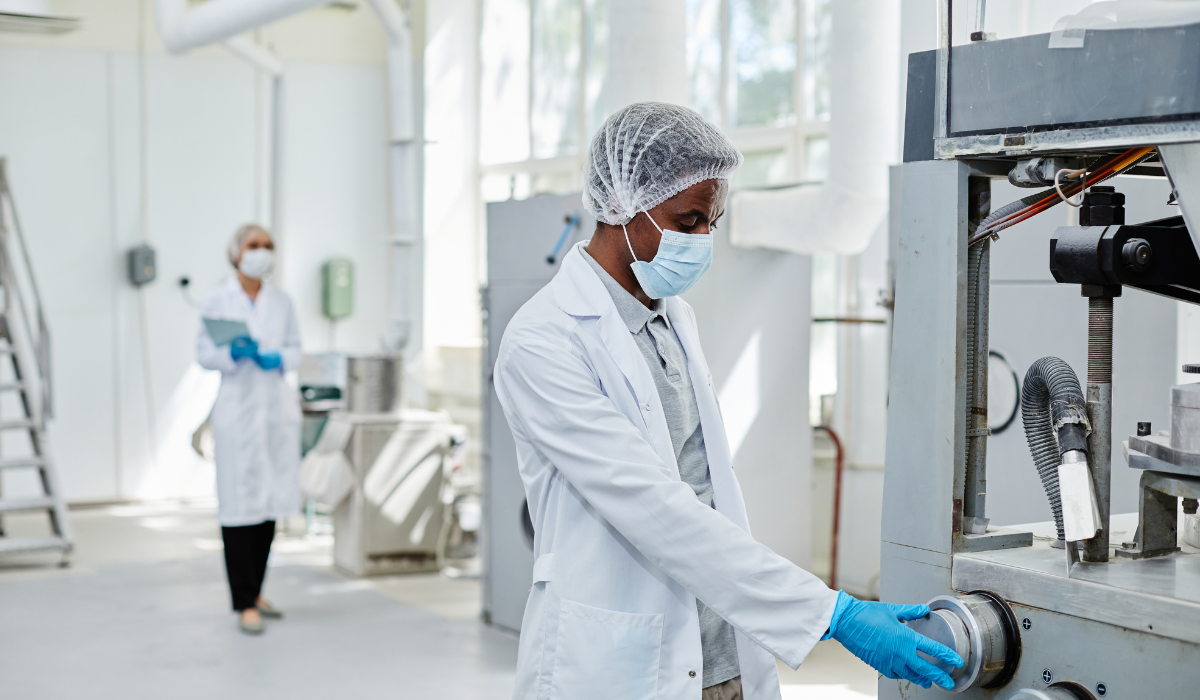
These systems remove airborne particles, ensuring that cleanrooms maintain the necessary level of cleanliness.
Airflow Management Systems
Airflow systems designed to control the movement of air in cleanrooms are vital in minimizing contamination.
These systems include laminar flow hoods, which ensure that air flows in a uniform direction, preventing contamination from settling on surfaces.
Automated Monitoring and Control Systems
With the rise of automation, cleanroom monitoring systems have become increasingly sophisticated.
These systems automatically monitor key environmental variables like temperature, humidity, and air quality, ensuring that any fluctuations are addressed immediately.
Pharmaceutical Cleanroom Design: Key Considerations for Effective Functionality
The design of a pharmaceutical cleanroom is integral to its functionality and compliance with industry standards.
An effective cleanroom layout must prioritize contamination control, regulatory compliance, and operational efficiency.
Here are some of the fundamental factors to consider when designing a pharmaceutical cleanroom:
Optimized Layout for Contamination Control
A well-planned cleanroom layout is essential for minimizing contamination risks. It is important to clearly distinguish between clean and dirty zones within the cleanroom.
This separation prevents cross-contamination and helps maintain strict sterility during pharmaceutical production.
A logical flow of materials and personnel ensures that contamination is kept to a minimum, allowing each area of the cleanroom to perform its intended function efficiently.
Controlled Material Flow
The flow of materials is a crucial aspect of cleanroom design and build.
Raw materials should be introduced into the cleanroom through designated entry points that prevent contamination.
Similarly, the final product must undergo packaging and labeling in controlled areas to avoid exposure to contaminants.
Proper material handling and transportation systems are necessary to preserve the integrity of both raw and finished products.
Zoning for Specific Cleanliness Levels
Not all areas within a cleanroom require the same level of cleanliness.
Different processes, such as raw material handling, product formulation, and final product packaging, may require distinct environmental conditions.
Zoning within the cleanroom ensures that each area meets the appropriate cleanliness standards based on the specific tasks being carried out.
This design approach ensures that critical operations, such as sterile drug production, are conducted in the most controlled environments.
Each of these considerations is vital to creating a cleanroom that functions effectively and meets the stringent requirements of pharmaceutical manufacturing.
Proper design helps maintain regulatory compliance and ensures the quality and safety of pharmaceutical products.
Regulatory Compliance and Standards for Pharmaceutical Cleanrooms
Pharmaceutical cleanrooms must comply with a range of international regulations and standards to ensure product safety. These standards include:
ISO 14644
ISO 14644 defines the classification of air cleanliness in cleanrooms.
It specifies the maximum allowable particle counts for different cleanroom classifications, helping pharmaceutical manufacturers maintain sterile conditions.
GMP (Good Manufacturing Practices)
GMP guidelines govern the production and testing of pharmaceutical products.
These practices ensure that manufacturers adhere to strict standards for cleanliness, equipment, facilities, and procedures.
FDA and EMA Regulations
Both the U.S. FDA and the European Medicines Agency (EMA) have specific guidelines for pharmaceutical cleanrooms.
Compliance with these agencies’ regulations ensures that the products meet safety standards.
The Future of Pharmaceutical Cleanrooms: Emerging Trends
The pharmaceutical cleanroom industry is evolving rapidly. Several emerging trends promise to improve the efficiency, safety, and sustainability of pharmaceutical manufacturing:
Smart Cleanrooms
With the integration of IoT devices and smart technology, cleanrooms are becoming more efficient.
Automated sensors track environmental conditions, and AI-powered systems optimize airflow and temperature management.
Eco-friendly Solutions
As the pharmaceutical industry embraces sustainability, eco-friendly cleanroom solutions are gaining traction.
These include energy-efficient lighting, solar-powered air filtration systems, and water conservation technologies.
Conclusion
Pharmaceutical cleanrooms are at the heart of ensuring that drugs are safe, effective, and free from contamination.
From overcoming challenges in contamination control to leveraging cutting-edge technology, pharmaceutical cleanrooms play a critical role in maintaining the integrity of the products we rely on.
As the industry continues to evolve, staying ahead of technological advancements and regulatory changes will be key to sustaining the high standards of cleanroom pharma environments.
Ensuring Sterile Manufacturing Environments for the Future
Ready to design or upgrade your pharmaceutical cleanroom? Contact UltrPpure Technology to learn about our custom cleanroom solutions, designed to meet the highest industry standards.
Frequently Asked Questions
What is the purpose of a pharmaceutical cleanroom?
A pharmaceutical cleanroom is designed to provide a sterile environment where contamination risks are minimized during the production of pharmaceutical products. It ensures that the air quality, temperature, humidity, and particulate levels are strictly controlled to maintain the safety and efficacy of medications.
How do pharmaceutical cleanrooms prevent contamination?
Pharmaceutical cleanrooms use advanced air filtration systems, including HEPA and ULPA filters, to remove airborne particles. Additionally, they implement strict protocols, such as controlled access, limited personnel movement, and regular cleaning, to prevent contamination from various sources.
What are the key components of a pharmaceutical cleanroom?
The key components include air filtration systems (like HEPA/ULPA filters), temperature and humidity control units, specialized cleaning equipment, and access control systems. These components ensure that the cleanroom environment meets required cleanliness levels and operates efficiently.
What standards do pharmaceutical cleanrooms need to meet?
Pharmaceutical cleanrooms must comply with ISO 14644 standards, which specify the maximum allowable particle count based on cleanroom classification. They also adhere to Good Manufacturing Practices (GMP), which ensure the cleanliness, quality, and safety of pharmaceutical products.
How do environmental factors like temperature and humidity affect cleanrooms?
Temperature and humidity play a significant role in maintaining the integrity of pharmaceutical products. Fluctuations can lead to contamination or affect the stability of certain medications. Cleanrooms maintain these factors within specific ranges to ensure product safety and quality.
What is ISO 14644, and why is it important for pharmaceutical cleanrooms?
ISO 14644 is an international standard that classifies cleanrooms based on their level of air cleanliness. For pharmaceutical cleanrooms, it provides guidelines on permissible particle concentrations, ensuring that environments meet the cleanliness requirements for drug manufacturing and packaging.
What technologies are used in pharmaceutical cleanrooms?
Pharmaceutical cleanrooms utilize technologies like advanced air filtration systems, automated monitoring systems for environmental control, and airlocks for controlled entry and exit. These technologies help ensure that the cleanroom remains sterile and adheres to regulatory standards.
How often should pharmaceutical cleanrooms be tested and validated?
Pharmaceutical cleanrooms should undergo regular testing and validation to ensure they meet ISO and GMP standards. This includes air quality tests, particulate monitoring, and environmental checks, typically done at least annually, or more frequently depending on the cleanroom’s use.
What role do personnel play in maintaining cleanroom sterility?
Personnel are one of the biggest potential sources of contamination. Proper training, protective clothing (like gowns, gloves, and masks), and adherence to cleanroom protocols, such as limiting movement and reducing talking, are crucial for maintaining sterility.
How can I ensure my pharmaceutical cleanroom is compliant with regulations?
To ensure compliance, it is essential to conduct regular audits, implement proper environmental monitoring systems, and follow guidelines set by regulatory bodies like the FDA and EMA. Staying up to date with the latest cleanroom technology and maintaining rigorous documentation is also important.
