
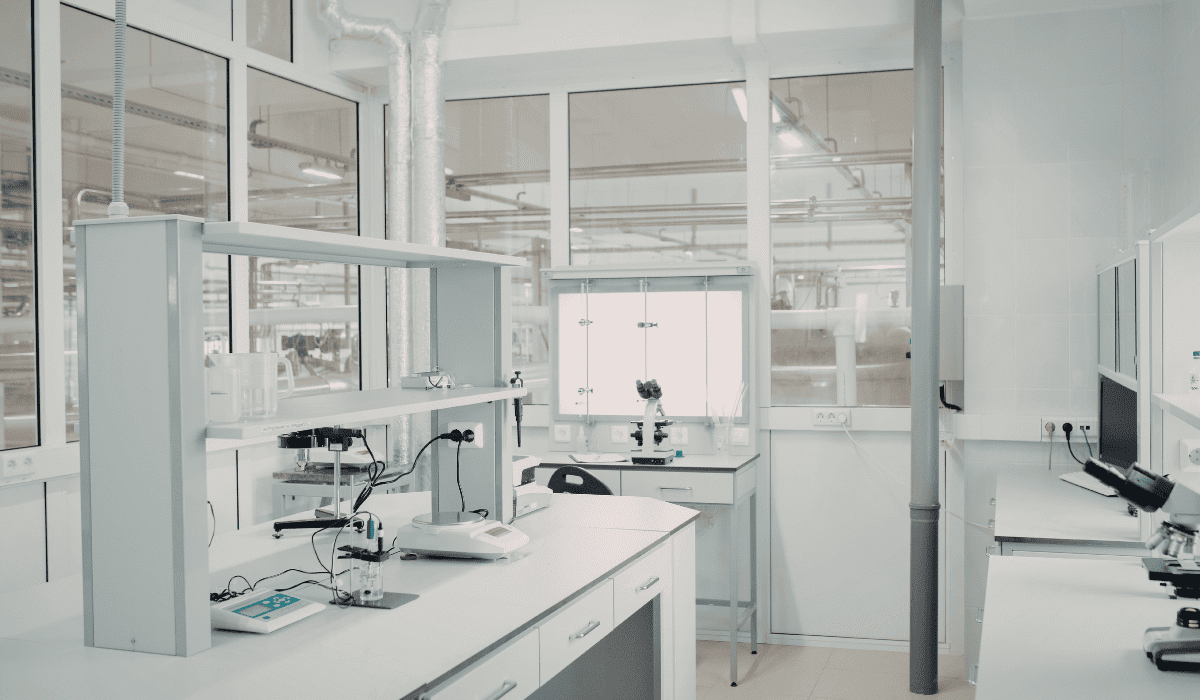
In the rapidly growing electric vehicle (EV) industry, ensuring the highest quality of EV batteries is crucial for the performance, safety, and reliability of the vehicles.
EV battery cleanrooms play a vital role in preventing contamination during the manufacturing process, ensuring that the final product meets stringent quality standards.
Cleanrooms are specially designed environments that control particulate contamination, humidity, temperature, and airflow to protect sensitive materials, such as those used in lithium-ion battery cleanrooms.
Without the precise control provided by these cleanrooms, even small contaminants can affect the battery’s efficiency and lifespan.
The Need for Cleanrooms in EV Battery Production
The production of EV batteries, especially lithium-ion batteries, requires a highly controlled environment to maintain their performance and safety.
Even minute particles, such as dust or chemicals, can lead to significant defects in the battery, compromising its function.
This is where contamination prevention in EV batteries becomes crucial.
Cleanrooms are designed to filter the air and maintain a sterile environment, ensuring that the production process is not disrupted by harmful contaminants.
Battery cells are made up of components that are sensitive to impurities, including the electrolyte and separator materials.
Cleanrooms help avoid defects like poor battery life, overheating, and even safety hazards such as fires or short circuits.
By offering an environment free of harmful contaminants, cleanrooms provide a reliable solution to ensure the integrity of every battery produced in the EV battery manufacturing environment.
How Cleanrooms Prevent Contamination
A cleanroom is more than just a sterile environment; it’s a sophisticated system designed to control several factors. Key components of a cleanroom include:
Air Filtration Systems
High-efficiency particulate air (HEPA) filters and laminar airflow systems maintain optimal air quality, removing contaminants from the environment.
Pressure Differentials
Cleanrooms maintain pressure differentials between different zones to prevent contaminants from entering critical areas.
Controlled Temperature and Humidity
Maintaining an ideal temperature and humidity level helps prevent chemical reactions or the buildup of static electricity, both of which could damage battery components.
Airshowers and Gloveboxes
These are essential in ensuring that workers and equipment entering the cleanroom do not introduce contaminants.
Airshowers use high-velocity air to remove particles from clothing, and gloveboxes are used to handle sensitive components in a sterile environment.
By carefully controlling these elements, cleanrooms ensure that contaminants are minimized, allowing for the production of high-quality EV batteries with no risk of contamination during manufacturing.
Key Features of EV Battery Cleanrooms
Cleanrooms for EV battery manufacturing are highly specialized and designed to meet the specific needs of the production process. Some of the most important features include:
Air Filtration Systems
Cleanrooms employ advanced filtration systems to control the particulate matter in the air.
HEPA filters remove particles as small as 0.3 microns, ensuring that even the smallest particles do not interfere with production.
Specialized Flooring and Materials
Non-porous, easy-to-clean materials are used for floors, walls, and ceilings.
This reduces the chances of dust accumulation and ensures a smooth cleaning process.
Laminar Flow
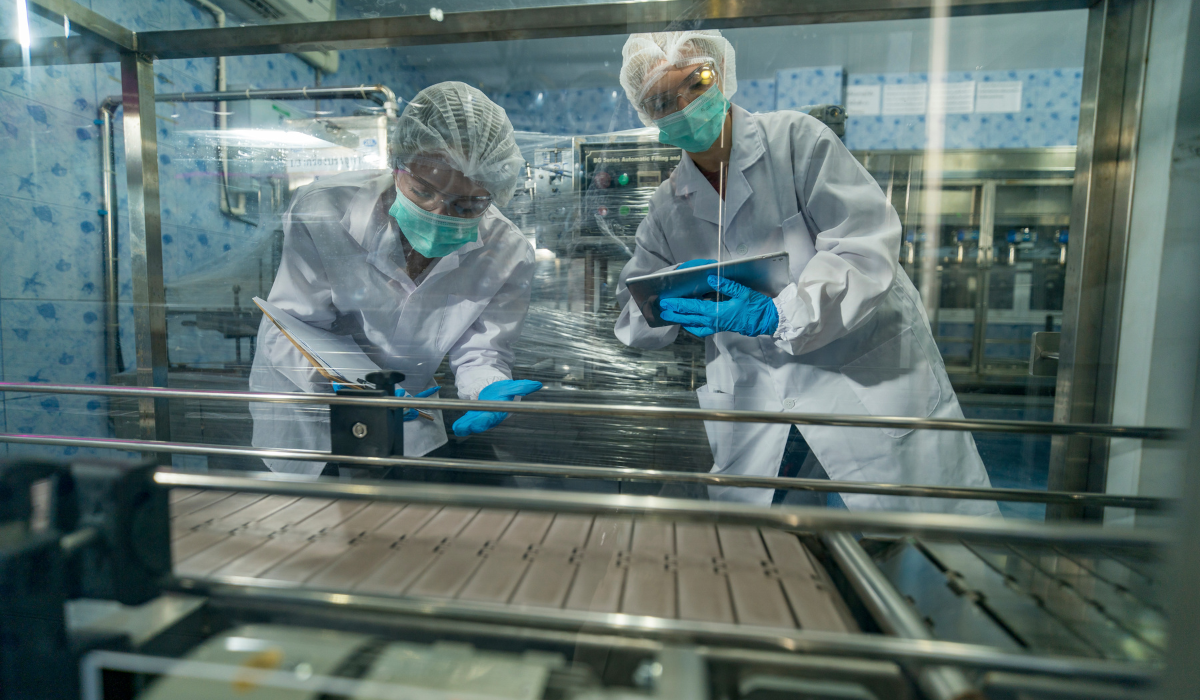
This ensures that the airflow inside the cleanroom moves in a uniform direction to carry contaminants away from critical areas.
Personal Protective Equipment (PPE)
Workers are required to wear specialized suits, gloves, masks, and shoe covers to prevent contamination from clothing or skin.
Each of these elements works together to create a cleanroom environment that is optimized for contamination prevention in EV battery production.
Cleanroom Construction for EV Batteries
Building an effective cleanroom for EV batteries involves careful planning and technical expertise. Here are some essential factors in the construction process:
Design and Layout
The layout should prioritize workflow efficiency while maintaining strict cleanroom standards.
It also includes designing zones with varying levels of cleanliness, such as low, medium, and high-contamination areas.
Material Selection
The choice of materials used in construction (flooring, walls, and furniture) is critical to maintaining cleanliness.
Non-porous materials are preferred as they do not trap dust or particles.
HVAC Systems
Cleanroom HVAC systems are designed to provide continuous airflow and maintain the correct pressure and temperature within the facility.
These systems must be able to filter air continuously to ensure that no particles affect production.
At UltraPure Technology, we have the expertise to build facilities that meet the exact needs of EV battery manufacturers, ensuring compliance with both local and international standards.
The Impact of Cleanrooms on EV Battery Quality and Reliability
The quality of EV batteries directly affects the performance of electric vehicles.
By eliminating contaminants, cleanrooms contribute significantly to the overall performance and reliability of EV batteries. Some of the key impacts include:
Increased Battery Lifespan
By preventing contaminants that can lead to battery degradation, cleanrooms help ensure that batteries last longer and maintain their efficiency.
Enhanced Performance
Clean production environments enable manufacturers to create batteries that perform optimally, providing consistent energy output and reducing the chances of failures during use.
Safety
Contaminants can cause batteries to overheat, malfunction, or even catch fire. Cleanrooms significantly reduce these risks, ensuring safer EV batteries for consumers.
Cleanroom Standards and Compliance in EV Battery Manufacturing
To maintain the highest level of cleanliness and product quality, cleanroom facilities must adhere to various international standards. These include:
ISO 14644
This standard defines the classification of air cleanliness in cleanrooms, ensuring that the environment meets specific particulate requirements.
Good Manufacturing Practices (GMP)
These standards are followed to ensure that all manufacturing processes, including cleanroom environments, meet regulatory and safety requirements.
Regulatory Compliance
EV battery cleanrooms are subject to various regulations and certifications that help maintain the quality and safety of the product.
Compliance with these standards ensures that EV batteries meet the necessary safety, performance, and environmental criteria for both the manufacturer and end consumers.
Future Trends in EV Battery Cleanrooms
As the demand for electric vehicles increases, so does the need for cleaner and more efficient manufacturing processes. Here are some emerging trends in EV battery cleanrooms:
Automation and AI
Advanced technologies like automation and artificial intelligence are being integrated into cleanrooms to monitor and control environmental conditions more effectively.
These systems help detect even the smallest changes in the environment and adjust them instantly.
Sustainability
As the world moves toward more sustainable practices, cleanroom facilities are being designed to be energy-efficient, using renewable energy sources and reducing waste.
These innovations are expected to further improve the efficiency and quality of EV battery production, contributing to the continued success of the electric vehicle industry.
Conclusion
At Ultrapure Technology, we specialize in designing and building high-performance EV battery cleanrooms that meet the rigorous standards of the battery manufacturing industry.
Our decades of experience ensure that your cleanroom is built to maintain optimal conditions, ensuring the safety, quality, and reliability of your EV batteries.
If you’re looking to build a state-of-the-art cleanroom for EV battery production or need upgrades to your current facility, contact us today for a consultation.
Let us help you create the perfect environment for contamination-free EV battery manufacturing.
Ready to Build Your EV Battery Cleanroom? Trust Ultrapure Technology for Your EV Battery Cleanroom Needs
Don’t leave the quality of your EV batteries to chance. At Ultrapure Technology, we provide expert cleanroom construction tailored to your specific manufacturing needs.
Contact us now to learn more about how we can help you create a cleanroom that enhances your EV battery production process.
Frequently Asked Questions
What is an EV battery cleanroom?
An EV battery cleanroom is a controlled environment specifically designed to prevent contamination during the production of electric vehicle batteries. It uses advanced air filtration, temperature control, and cleanroom protocols to ensure a sterile manufacturing process.
Why is contamination control important in EV battery production?
Contamination in EV battery production can lead to defects, safety hazards, or performance issues. By controlling particulate matter and other contaminants, cleanrooms help ensure the quality, efficiency, and longevity of the batteries.
How do cleanrooms prevent contamination in EV battery manufacturing?
Cleanrooms use air filtration systems, temperature and humidity control, pressure differentials, and personal protective equipment (PPE) to minimize contaminants. They are designed to create an environment free from particles that could damage battery components.
What are the standards for EV battery cleanrooms?
EV battery cleanrooms must comply with international standards like ISO 14644 and Good Manufacturing Practices (GMP). These standards ensure the cleanroom meets specific air cleanliness and safety requirements for optimal battery production.
What types of contaminants are controlled in EV battery cleanrooms?
Common contaminants controlled in EV battery cleanrooms include dust, dirt, airborne microorganisms, and chemical particles. These contaminants can compromise the performance and safety of the batteries if not properly controlled.
How do air filtration systems work in cleanrooms?
Air filtration systems in cleanrooms use HEPA filters and laminar airflow to remove particles from the air. The filtered air is then circulated throughout the room, ensuring a sterile environment for battery production.
Can cleanrooms help improve the lifespan of EV batteries?
Yes, cleanrooms help improve the lifespan of EV batteries by preventing contamination that can lead to performance degradation. By providing a controlled environment, cleanrooms contribute to longer-lasting and more efficient batteries.
What is the role of air showers and gloveboxes in EV battery cleanrooms?
Air showers and gloveboxes are critical in preventing contamination. Air showers remove particles from workers and equipment before they enter the cleanroom, and gloveboxes allow for the handling of sensitive materials in a contamination-free environment.
What future trends are shaping EV battery cleanrooms?
The future of EV battery cleanrooms includes advancements in automation, artificial intelligence for better environmental control, and more sustainable practices to reduce energy consumption and waste in the manufacturing process.