
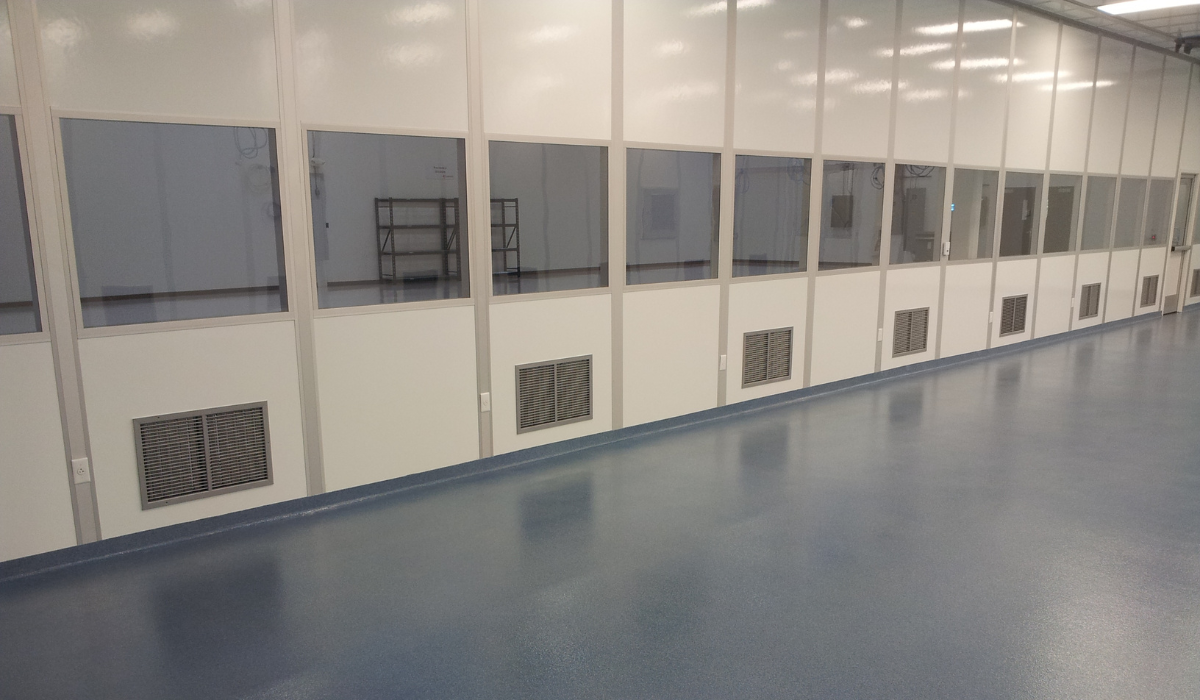
In industries that require the highest levels of cleanliness, such as pharmaceuticals, electronics, and biotechnology, single-pass cleanroom construction plays a crucial role in ensuring contamination control.
The design of a cleanroom is vital for preventing particles and contaminants from disrupting sensitive operations.
One of the most effective methods to achieve contamination control in cleanrooms is the implementation of one-way airflow.
In this blog, we’ll explore how single-pass cleanroom construction works, the benefits of one-way airflow, and why this system is essential for maintaining a contamination-free environment.
What is Single-Pass Cleanroom Construction?
Single-pass cleanroom construction refers to a design where air enters the cleanroom from a controlled source, flows across the room in one direction, and exits without recirculating.
This design ensures that contaminants do not remain within the cleanroom environment, maintaining the cleanliness levels required for sensitive processes.
It differs from other cleanroom types, where air might recirculate, potentially reintroducing contaminants into the space.
Single-pass cleanrooms are commonly used in environments such as pharmaceutical production facilities, semiconductor manufacturing plants, and research labs, where contamination can disrupt the quality of products and processes.
Understanding One-Way Airflow in Cleanrooms
One-way airflow is a system where clean, filtered air is introduced at one side of the cleanroom and flows in a uniform direction, eventually exiting through a separate vent.
One-way airflow ensures that contaminants do not mix with the incoming clean air, maintaining a sterile environment, whereas recirculating airflow systems cycle air within the room.
This method of airflow is essential in controlling contamination, as it prevents particles from circulating and settling on sensitive surfaces or products.
For industries that require an exceptionally clean environment, one-way airflow in single-pass cleanroom construction is a vital design element.
Why One-Way Airflow is Crucial for Contamination Control
The primary purpose of one-way airflow in cleanrooms is to minimize the risk of cross-contamination.
By ensuring air flows in only one direction, it avoids the potential for airborne contaminants to spread across the room.
This is especially important in industries such as biotechnology and pharmaceuticals, where the slightest amount of contamination can lead to product defects or process failures.
In a single-pass cleanroom, as clean air enters the room, it displaces the existing air, pushing any airborne particles toward the exhaust system.
This ensures that the air remains clean and that contaminants are efficiently removed from the space.
Additionally, this system helps maintain cleanroom standards by controlling the concentration of particles and microorganisms.
Key Components of Single-Pass Cleanroom Design
The design of a single-pass cleanroom includes several critical elements to ensure its functionality. These include:
HVAC System
The HVAC system must be capable of delivering and maintaining constant airflow throughout the cleanroom.
The system must be equipped with high-efficiency filters, such as HEPA or ULPA filters, to remove particulates from the incoming air before it enters the room.
Air Filtration
As the air enters the cleanroom, it is filtered to remove particles. HEPA or ULPA filters are typically used, as they can capture particles as small as 0.3 microns.
Room Layout
The layout of the cleanroom is crucial for maintaining airflow efficiency.
The air supply should be introduced at one end of the room, while the exhaust should be located at the opposite end to ensure proper airflow.
Cleanroom HVAC System: Maintaining Consistent Airflow
A cleanroom’s HVAC system is crucial for maintaining optimal airflow, temperature, humidity, and pressure conditions that are essential for contamination control.
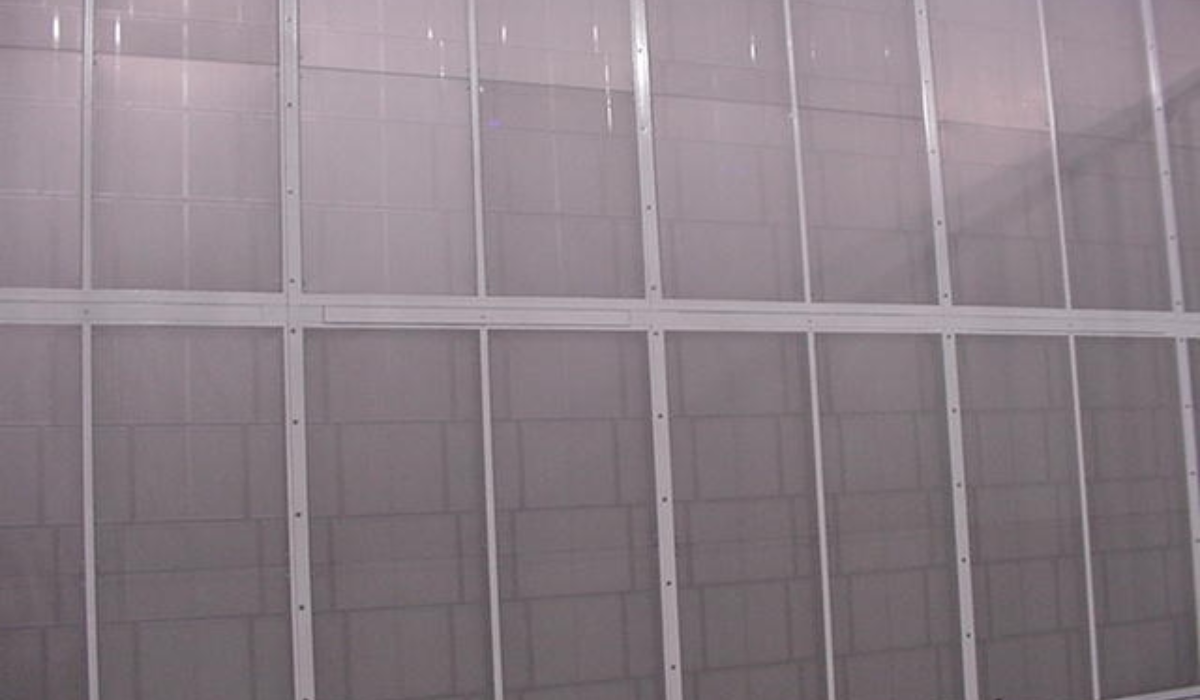
Whether in pharmaceutical, semiconductor, or medical device manufacturing environments, the HVAC system is the heart of cleanroom operations.
It not only ensures the removal of particulate contaminants but also keeps the internal environment stable and controlled, in compliance with industry standards.
Here’s an extended look at the role and key features of HVAC systems in cleanrooms:
Ensuring Airflow Consistency
The HVAC system in a cleanroom must maintain a consistent airflow to ensure that the environment remains free from contaminants.
This involves precisely controlling airspeed and direction to avoid areas of turbulence or stagnation, which can result in the accumulation of airborne particles.
Airflow consistency is critical to maintaining the cleanliness of the room, as fluctuations can disturb particulate removal or introduce unwanted contaminants into critical areas.
To achieve this, cleanroom HVAC systems typically utilize high-efficiency particulate air (HEPA) or ultra-low particulate air (ULPA) filters, which trap the finest particles down to a fraction of a micrometer.
These filters, combined with the right air circulation design, ensure that the air remains continuously filtered and free of contaminants that could affect sensitive processes.
Temperature, Humidity, and Pressure Control
One of the unique challenges of cleanroom HVAC systems is their ability to regulate not only temperature but also humidity and air pressure.
Temperature Control
Cleanrooms typically require precise temperature control, often within a narrow range, to ensure optimal conditions for manufacturing processes, especially when working with sensitive equipment or materials.
Temperature must remain stable to prevent equipment malfunction or deterioration of products in process.
Humidity Control
Maintaining a constant level of humidity is essential to prevent static electricity build-up, condensation, or the degradation of products and materials.
HVAC systems use dehumidification systems in addition to standard cooling systems to keep moisture levels under control, particularly in environments where even a small amount of excess moisture can negatively impact the quality of production.
Pressure Control
Cleanrooms rely on proper pressure differential management to maintain airflow that prevents contaminants from entering the controlled environment.
Typically, cleanrooms are maintained at a higher pressure than surrounding areas to prevent airborne particles from leaking in.
The HVAC system ensures that the air pressure remains constant and balanced across various sections of the cleanroom, with more critical areas often under slightly higher pressure.
Single-Pass vs. Recirculating Airflow
In cleanroom construction, the HVAC system’s design may follow either a single-pass or recirculating airflow strategy.
Each approach has specific benefits depending on the cleanliness requirements and environmental conditions.
Single-Pass Airflow
This system involves continuously bringing in fresh, filtered air from outside the cleanroom, which then passes through the cleanroom and is exhausted to the outside environment.
The single-pass airflow system is often employed in highly sensitive environments, such as pharmaceutical manufacturing, where contamination control is paramount.
The fresh air is pre-filtered and conditioned before entering the cleanroom, ensuring that all air entering the space meets rigorous quality standards.
Recirculating Airflow
In some less sensitive environments, HVAC systems may utilize recirculating air.
Here, the air within the cleanroom is filtered and recirculated, reducing energy costs associated with heating or cooling fresh outside air.
However, in highly sensitive cleanrooms, this method might not be adequate, as it can allow for contaminants to accumulate in the air over time, even if filtered.
Filtration Systems: HEPA and ULPA Filters
A critical aspect of maintaining airflow consistency and cleanliness in a cleanroom is the type and quality of filters used in the HVAC system.
HEPA filters are the industry standard for trapping airborne particles down to 0.3 microns with 99.97% efficiency, and ULPA filters offer even finer filtration, capturing particles as small as 0.12 microns.
These filters are strategically placed in the HVAC system to ensure that all air entering the cleanroom is thoroughly filtered before it is circulated.
The filters must be regularly maintained, and their performance should be verified to ensure the cleanroom remains free from contaminants.
Preventing Contaminant Infiltration
A key responsibility of the HVAC system is to prevent contaminants from entering the cleanroom, especially when transitioning between different zones of cleanliness.
Proper pressure differentials between rooms or adjacent areas play an essential role in achieving this.
The cleanroom HVAC system must create a controlled environment with a higher pressure in the cleanroom compared to its surroundings.
This positive pressure ensures that any airflow leakage goes outward from the cleanroom, preventing contaminated air from entering.
This is particularly important in industries such as semiconductor manufacturing or biotech, where even a single particle can compromise the entire process.
Energy Efficiency Considerations
While the primary goal of the cleanroom HVAC system is to maintain a sterile environment, energy efficiency should also be prioritized.
Cleanroom HVAC systems are typically running 24/7, and as a result, they can account for a significant portion of operational costs.
Advanced control systems can optimize the HVAC operation to balance cleanliness standards with energy efficiency, utilizing variable speed fans, demand-based ventilation, and energy recovery systems to reduce overall consumption.
Maintenance and Monitoring
To ensure the longevity and efficiency of the HVAC system, regular maintenance and monitoring are essential.
This includes tasks like replacing filters, checking for system leaks, recalibrating airflow controls, and verifying the functionality of temperature, humidity, and pressure sensors.
Continuous monitoring systems can track changes in key parameters and provide alerts when thresholds are exceeded, allowing for prompt action to address any issues.
Preventive maintenance programs are crucial for keeping the system running smoothly and avoiding costly downtimes due to unexpected failures.
Cleanroom specialists follow best practices to manage air quality and performance, ensuring that optimal conditions are consistently maintained for the long-term performance of your cleanroom system.
Advanced Control Systems and Automation
Modern cleanroom HVAC systems integrate with advanced building management systems (BMS) that provide real-time monitoring, automated adjustments, and reporting.
These systems can automatically adjust airflow, temperature, and humidity levels based on changing environmental conditions or specific production needs.
Automating the HVAC system allows for more accurate control, reduces the need for manual intervention, and ensures that the cleanroom conditions remain consistent without fluctuation.
In highly sensitive environments, automation is vital to achieve the level of precision required for successful operations.
All in all, the cleanroom HVAC system is an essential component for maintaining controlled environments.
By regulating airflow, temperature, humidity, and pressure, it ensures that the cleanroom meets stringent contamination control requirements.
Effective HVAC design, along with regular maintenance and monitoring, helps to achieve the desired cleanliness standards while minimizing the risk of contamination.
Air Filtration and Airflow Efficiency in Single-Pass Cleanrooms
Efficient air filtration is essential in any cleanroom environment, particularly in single-pass cleanroom construction.
The filters used, typically HEPA or ULPA, are designed to capture microscopic particles that could contaminate the room.
These filters ensure that the air entering the cleanroom is as clean as possible, with minimal particulate matter.
The efficiency of these filters is crucial to maintaining the integrity of the cleanroom environment.
Regular maintenance and timely replacement of these filters are necessary to ensure that the airflow remains efficient and effective in removing contaminants.
Designing a Single-Pass Cleanroom: Best Practices
When designing a single-pass cleanroom, several best practices should be followed to ensure optimal contamination control:
Proper Placement of Air Supply and Exhaust Vents
The air supply should be located at one end of the room, and the exhaust should be positioned at the opposite end to create a smooth, unidirectional airflow.
Minimize Obstructions
To allow for uninterrupted airflow, it’s essential to minimize obstacles in the airflow path. This includes strategically placing equipment and shelving to avoid airflow disruptions.
Control Room Entry and Exit
Limiting access to the cleanroom can reduce the risk of contamination.
When designing the cleanroom, entry and exit points should be positioned to minimize the introduction of outside air.
Maintaining Airflow and Cleanroom Integrity: Routine Monitoring and Maintenance
To ensure that the single-pass cleanroom remains contamination-free, routine monitoring and maintenance are essential. This includes:
Continuous Airflow Monitoring
Use sensors to monitor airflow speed and direction in real-time.
Air Quality Testing
Regular testing ensures that particle concentrations remain within the desired range.
Regular Filter Replacement
Filters should be inspected and replaced according to the manufacturer’s guidelines to maintain optimal filtration efficiency.
By continuously monitoring and maintaining airflow, you can ensure that the cleanroom meets regulatory standards and continues to perform at its best.
How Single-Pass Cleanrooms Meet ISO Standards
Single-pass cleanrooms are designed to comply with various ISO cleanroom standards, such as ISO 14644-1.
These standards specify the air cleanliness levels required in different environments, based on the number of airborne particles allowed per cubic meter.
Single-pass cleanroom construction is particularly well-suited to meet these standards, as it ensures a continuous supply of clean, filtered air and prevents particle buildup.
By meeting ISO standards, single-pass cleanrooms ensure that the air quality within the room remains optimal for sensitive processes, such as pharmaceutical production or semiconductor manufacturing.
Conclusion
Single-pass cleanroom construction with one-way airflow is a critical component of contamination control in industries that require sterile and controlled environments.
With proper design, filtration, and monitoring, single-pass cleanrooms provide the optimal environment for preventing contamination and ensuring compliance with stringent industry standards.
How Single-Pass Cleanroom Construction Can Benefit Your Business
If you’re considering building a single-pass cleanroom for your business, you can consult with experts in cleanroom design and construction.
At UltraPure Technology, we specialize in providing high-quality cleanroom solutions tailored to your specific needs.
For more information on how single-pass cleanroom construction can benefit your facility, schedule a consultation with our team today. Let us help you design a cleanroom that ensures optimal contamination control for your business.
FAQs
What is a single-pass cleanroom?
A single-pass cleanroom is a facility where air flows in one direction, entering through one side, moving across the room, and exiting through an exhaust system. In other words, this controlled airflow pattern ensures a consistent path of clean air. As a result, this method helps prevent cross-contamination and ensures the room maintains its required cleanliness level.
Why is one-way airflow important in cleanrooms?
One-way airflow is essential in cleanrooms, as a result, it helps prevent airborne contaminants from circulating throughout the room. In addition, by directing clean air in a single direction, it maintains a contamination-free environment necessary for sensitive operations.
What is the difference between single-pass cleanrooms and recirculating cleanrooms?
In a single-pass cleanroom, the air flows in one direction and exits without recirculating. In contrast, recirculating cleanrooms have air that is continuously cycled within the room, which may increase the risk of contamination.
How does a cleanroom HVAC system support one-way airflow?
A cleanroom HVAC system is designed to provide continuous, filtered air to the room while maintaining pressure, humidity, and temperature controls. It ensures the one-way airflow remains constant, preventing contamination and maintaining room integrity.
What industries use single-pass cleanroom construction?
Single-pass cleanrooms are used in industries like pharmaceuticals, biotechnology, semiconductor manufacturing, and electronics; for example, in these sectors, maintaining sterile and controlled environments is crucial to product quality and safety.
How often should filters be replaced in a single-pass cleanroom?
Filters in a single-pass cleanroom should be replaced according to the manufacturer’s guidelines, usually every 6-12 months. Regular maintenance ensures the HVAC system continues to perform effectively and prevents contamination.
Can a single-pass cleanroom meet ISO standards?
Yes, engineers design single-pass cleanrooms to meet ISO cleanroom standards such as ISO 14644-1, which specifies the air cleanliness levels required for different types of cleanroom environments.
What are the benefits of single-pass cleanroom construction?
Single-pass cleanrooms provide several benefits, including superior contamination control, compliance with industry standards, and a sterile environment for sensitive operations. The one-way airflow system ensures air quality is maintained and contaminants are minimized.
